
Author: Hubtel

Hubtel’s Observability Journey: How We Enhanced Performance and Reliability
In our mission to drive Africa forward by enabling everyone to find and pay for everyday essentials, gaining deep insights into our platform’s operations is crucial. As the platform continues to grow, encompassing various product lines and accommodating an increasing customer base, understanding its underpinnings becomes essential.
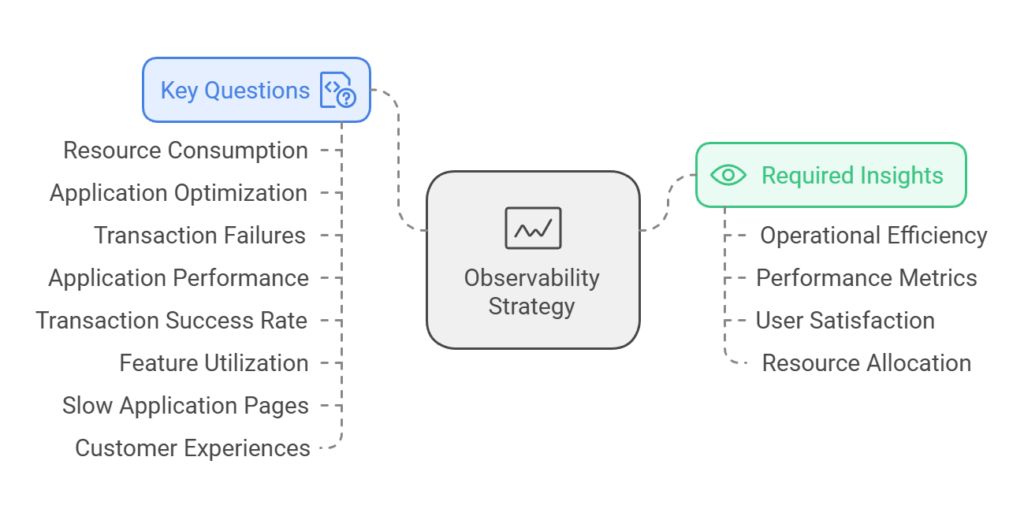
In the process of gaining understanding in real-time, some key questions that various interested parties are looking for answers, include:
- What is the resource consumption of the platform?
- Which application should we optimize?
- Which transactions are failing and what is causing it?
- How are applications performing individually and as a platform?
- How many transactions are processed successfully in any give elapse of time?
- Which feature set is under-utilized and why?
- Which application pages are slow and why?
- What are the customer experiences across the platform?
To answer these questions and more, a robust software observability strategy is required.
READ ALSO: From Snail Mail to Warp Speed: How Hubtel Rocketed Its Product Delivery
What is Observability?
Observability is the process of understanding what’s happening inside a system based on its external outputs. It refers to the ability to infer the internal states of a system from the data it produces.
This capability is crucial for gaining insights into complex, distributed systems, often uncovering unknown issues or behaviours on our platform. Observability emphasizes a holistic understanding of the system’s behaviour.
Highlights of Observability
The benefits of adopting this approach include:
- Operational Excellence: Our systems are not only operational but also measurable, debuggable, and performant.
- Empowered Engineering: As engineers, we are empowered to diagnose, predict, and resolve issues on our platform quickly and effectively, ensuring an always-available platform for our customers.
- Informed Decision-Making: We are well-equipped to support our product managers and research analysts in understanding user behavior on our platform, providing key insights to improve our product experiences.
With observability, we shift from being reactive to proactive. This approach allows us to detect and resolve issues before they affect users, identify opportunities to optimize performance, and gather insights to enhance overall reliability.
Observability is essential for supporting continuous improvement in our software lifecycle, enabling data-driven decisions and fostering accountability.
Types of Telemetry Signals
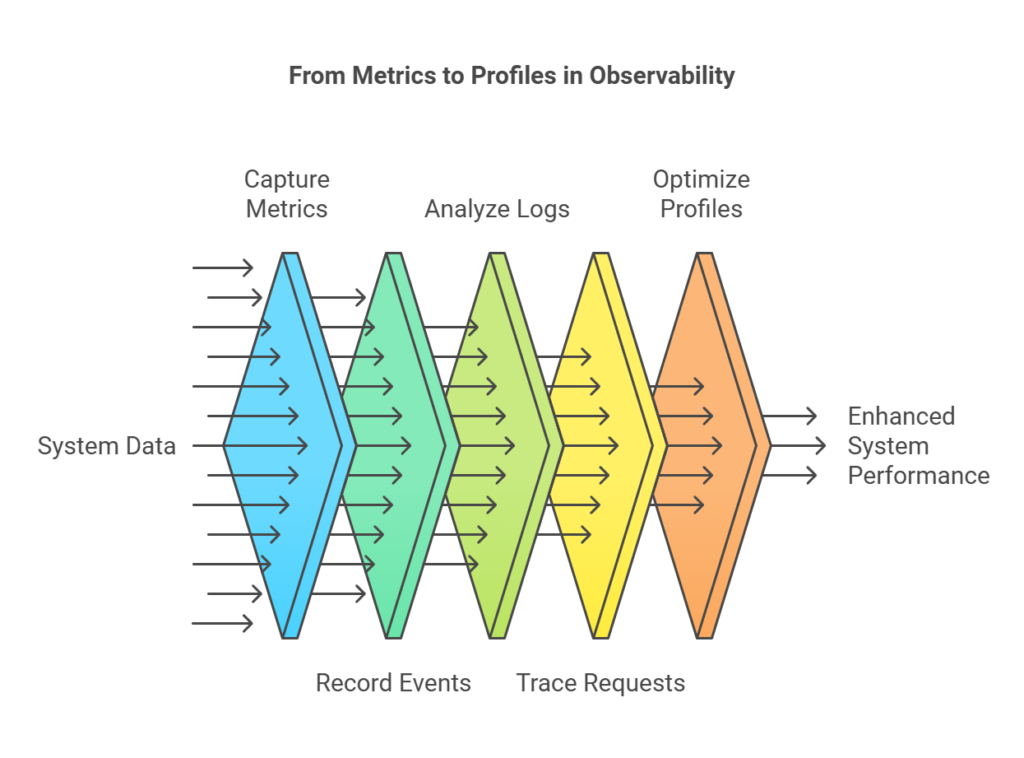
Telemetry signals can be categorized into:
| Metrics: Numeric measurements like CPU usage, memory consumption, and request rates, providing a high-level view of system health. | Example: Monitoring the average CPU usage of a server over time to ensure it remains within acceptable limits. |
| Events: Discrete actions occurring in the system at any time. | Example: A user logging into the platform or a payment transaction being initiated. |
| Logs: Detailed records of system events, capturing activities, errors, and transactions for debugging. | Example: An error log capturing a failed database query with details about the error and the time it occurred. |
| Traces: Track the flow of requests across services, helping identify bottlenecks in distributed systems. | Example: Tracing a user request from the frontend service through various backend services to identify where delays occur. |
| Profiles: Insights into resource usage and performance, identifying hotspots and optimizing code. | Example: Profiling a web application to find functions that consume the most CPU time and optimizing them for better performance. |
Gen Alpha of Our Observability Journey
The problem of instituting a robust observability solution, just like with every problem here at Hubtel, has gone through a series of solution iterations and refinements in a bid to identify the solution which adequately meets our aims.
Our current observability solution can be broken into several parts which address different needs of our business, namely:
- User Events Analytics: This component focuses on capturing and analysing user interactions with our platform. By understanding user behaviour, we can enhance user experience, identify popular features, and detect any issues that users may encounter. Tracking user navigation paths to identify common drop-off points in the user journey. We leverage tools like Google Analytics, Mixpanel, Microsoft Clarity and other in house developed tools to capture and analyse user events, providing insights into user behaviour and engagement.
- Transaction Monitoring: Ensuring the reliability and performance of financial transactions is critical. This part of our observability solution monitors transaction success rates, failure rates, and processing times to ensure smooth and secure payment experiences. Monitoring the success rate of payment transactions to quickly identify and resolve any issues that may arise. We use tools such as StatsD and Grafana to monitor transaction metrics and visualize performance data, enabling us to quickly detect and address transaction issues.
- Infrastructure Monitoring: Our platform’s infrastructure must be robust and scalable to handle increasing loads. This component monitors the health and performance of our servers, databases, and network to ensure they are operating efficiently. Keeping track of server CPU and memory usage to prevent resource exhaustion and maintain optimal performance. Tools like Nagios and New Relic help us monitor infrastructure health, providing alerts and dashboards to keep track of resource usage and system performance.
- Application Monitoring: This part focuses on the performance and health of our applications. By monitoring application metrics, logs, and traces, we can quickly identify and resolve issues, ensuring our applications run smoothly and efficiently. Using traces to identify slow-performing API endpoints and optimizing them for better performance. We utilize Application Insights and New Relic for tracing Graylogs and ELK Stack (Elasticsearch, Logstash, Kibana) for log aggregation and analysis, to gain deep insights into application performance.
By integrating these components into our observability strategy, we have gain comprehensive insights into our platform’s operations, proactively address issues, and continuously improve our services for our customers.
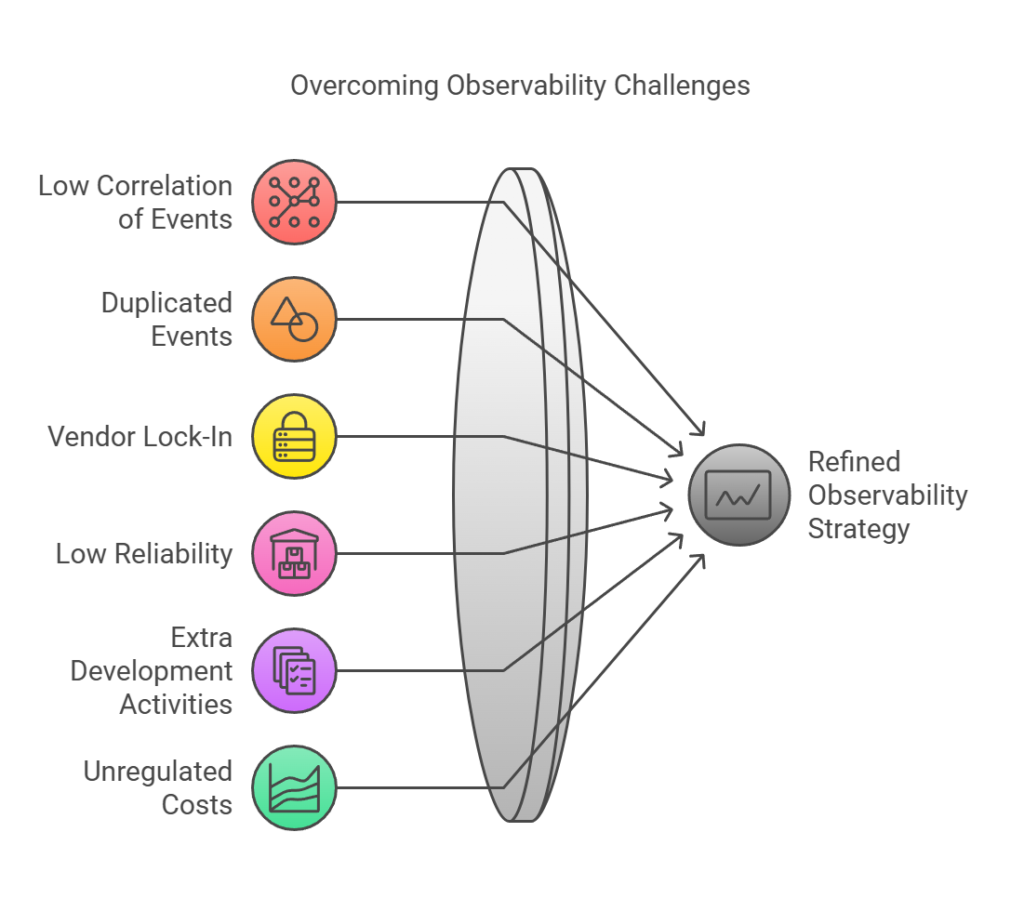
However, this approach has come with its own challenges, such as:
- Low Correlation of Events: Using different monitoring systems often makes it difficult to correlate related events across systems. This relies heavily on skilled personnel to draw such relations, and when they fail, it results in undesired system outcomes.
- Duplicated Events: The decentralized nature of our observability solution leads to a single event being recorded in multiple monitoring systems, resulting in redundancy and increased costs for managing and storing these events.
- Vendor Lock-In: Some monitoring tools require tight coupling with our services, limiting our flexibility and increasing costs. Switching providers or integrating new tools becomes challenging.
- Low Reliability: Managing multiple solutions means handling various instances that hold key transaction information, which can hinder timely issue resolution.
- Extra Development Activities: Setting up and maintaining monitoring systems requires additional effort, delaying deployments and increasing the workload for engineering teams.
- Unregulated Costs: The costs associated with observability systems can be unpredictable and escalate quickly, impacting budget planning and resource allocation, especially when using different independent tools.
Addressing these challenges is crucial for refining our observability strategy and ensuring it effectively supports our platform’s growth and reliability.
Gen Omega of Our Observability Journey
An effective observability strategy encompasses qualities such as simple tooling, cost-effective storage, and proactive alert and monitoring systems.
So, in the next generation of our journey, we have adopted the use of OpenTelemetry.
OpenTelemetry is an open-source observability framework designed to provide a standardized way to collect, process, and export telemetry data such as metrics, logs, and traces.
It is a collaborative project under the Cloud Native Computing Foundation (CNCF) and has quickly become the industry standard for observability due to its flexibility, interoperability, and comprehensive feature set.
It contains:
- APIs and SDKs: OpenTelemetry provides language-specific APIs and SDKs that developers can use to instrument their applications. These tools enable the collection of telemetry data without being tied to a specific vendor or backend.
- Instrumentation Libraries: These libraries automatically capture telemetry data from popular frameworks and libraries, reducing the need for manual instrumentation.
- Collectors: OpenTelemetry Collectors are agents that receive, process, and export telemetry data. They can be deployed as standalone agents or as part of a larger observability pipeline.
- Exporters: Exporters are plugins that send telemetry data to various backends, such as Prometheus, Jaeger, Zipkin, and commercial observability platforms. This flexibility allows organizations to choose the best tools for their needs without being locked into a single vendor.
- Semantic Conventions: OpenTelemetry defines a set of semantic conventions to standardize the naming and structure of telemetry data. This ensures consistency and makes it easier to analyse data across different systems and tools.
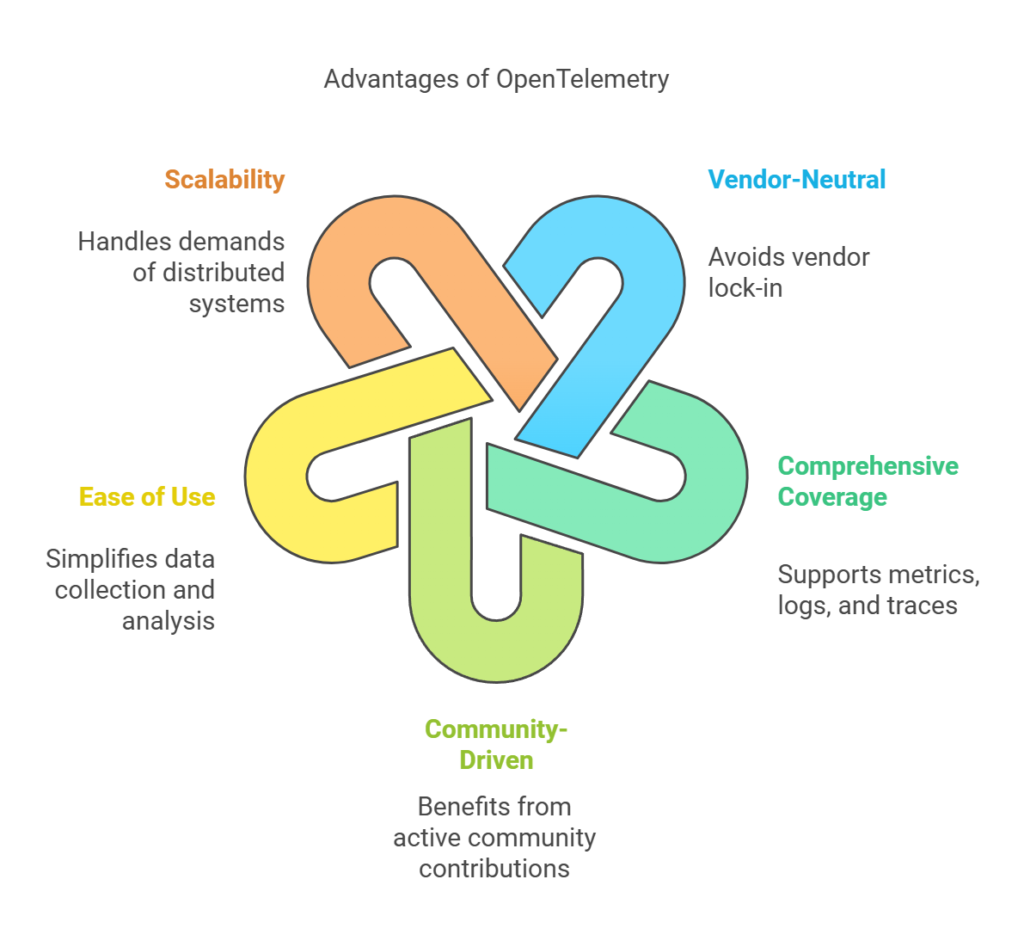
The benefits we derive from using this approach include:
- Vendor-Neutral: OpenTelemetry’s vendor-neutral approach allows organizations to avoid vendor lock-in and switch between observability platforms with minimal effort.
- Comprehensive Coverage: By supporting metrics, logs, and traces, OpenTelemetry provides a holistic view of system performance and behaviour.
- Community-Driven: As an open-source project, OpenTelemetry benefits from contributions and innovations from a large and active community.
- Ease of Use: With automatic instrumentation and a unified API, OpenTelemetry simplifies the process of collecting and analysing telemetry data.
- Scalability: OpenTelemetry is designed to handle the demands of modern, distributed systems, making it suitable for organizations of all sizes.
By integrating OpenTelemetry with observability backends like Honeycomb, New Relic, DataDog, or Grafana, we can establish a comprehensive observability strategy.
This integration ensures complete oversight of our platform, covering transaction monitoring, infrastructure health, application performance, and user events.
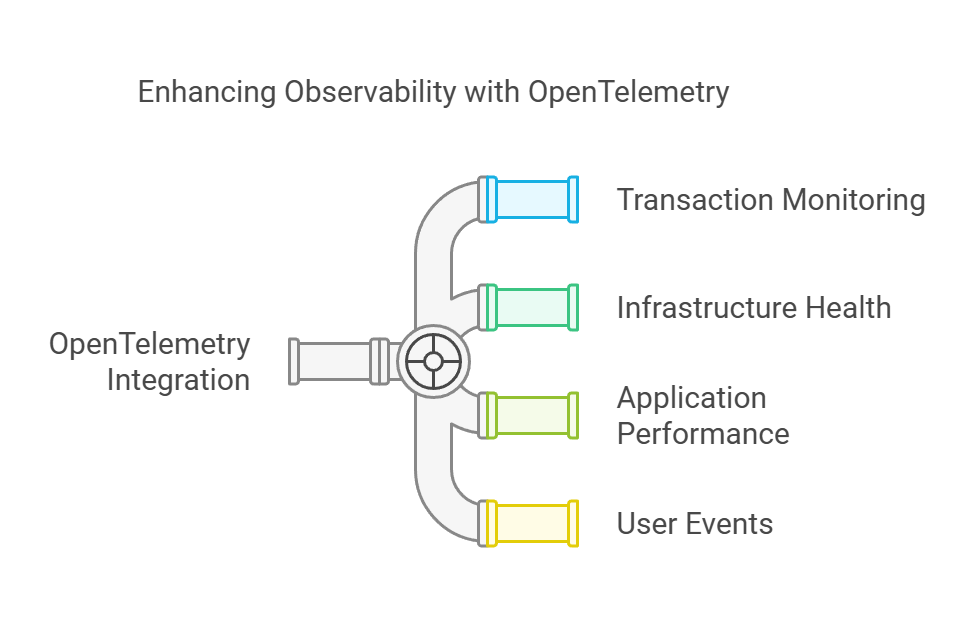
Adopting OpenTelemetry allows us to gain deep insights into our platform, enhance reliability, and improve the overall user experience.
Frontend observability is another aspect of our strategy essential for understanding user interactions and ensuring smooth, responsive, and error-free experiences on our platform.
By focusing on real user behavior and browser-side performance, it bridges the gap between backend operations and user experiences.
Key components include Core Web Vitals, Real User Monitoring (RUM), Session Replay, Synthetic Monitoring, Error Monitoring, and User Perception Metrics. These tools help measure performance, detect errors, and optimize workflows, ensuring our platform remains reliable and user-friendly.
Through proactive monitoring and analysis, we can swiftly address issues and enhance user satisfaction, aligning with our mission to drive Africa forward.
READ ALSO: Beyond Instinct: How the Code Confidence Index (CCI) is Transforming Code Quality at Hubtel
Conclusion
Hubtel’s journey towards a robust observability strategy has been marked by continuous improvement and adaptation.
By leveraging OpenTelemetry, we aim to overcome the challenges of our previous approaches and build a more cohesive, scalable, and cost-efficient observability framework.
This transition not only enhances our ability to monitor and optimize our platform but also empowers our engineering teams to deliver superior user experiences.
As we continue to evolve, our commitment to observability will remain a cornerstone of our mission to drive Africa forward, ensuring that we can proactively address issues, make informed decisions, and maintain the highest standards of operational excellence.
Authors

Kennedy Yaw Lodonu
Engineering Manager for Code Quality and Tooling









Related
Hubtel Settlement Times Explained: How Fast Your Payments Get to You
September 17, 2026| 8-minute read

Hubtel and Nova Business School Africa Discuss Partnership on Digital Entrepreneurship
September 14, 2026| 5-minute read

Hubtel CEO Alex Bram Builds New Police Station for Dokrochiwa
September 10, 2026| 4-minute read

HubtelWay AI: An Artificial Intelligence Solution to Enhance Organizational Culture
In the last quarter of 2024, the Hubtel AI lab collaborated with Hubtel’s management team to develop “HubtelWay,” a bespoke artificial intelligence platform designed to deliver up-to-date information. HubtelWay is shorthand for Hubtel’s unique organizational culture, policies, and leadership practices.
This system is a chatbot aimed at assisting over 700 Hubtel employees. It answers specific questions and addresses their concerns without the need for any human involvement.
The use of in-house chatbots within organizations is steadily gaining popularity. For example, Deloitte recently announced the deployment of an AI chatbot to support employees in audit and assurance tasks. JP Morgan and Morgan Stanley have developed chatbots to assist with research analysis and high-end customer financial advice.
These advancements reflect a shift in the conversation around artificial intelligence—from building products for external consumers to finding high-value utility within the company for employees.
Esther Crawford, Director of Product at Meta, recently shared this on Threads to celebrate the launch of Metamate, an internal AI chatbot for Meta’s employees: “You’ve never used Metamate if you don’t work at Meta. It’s an AI for employees that’s trained on an enormous corpus of internal company docs. I use it all the time for efficiency gains. Any sizable company operating without an internal AI tool is already behind the curve.”
At Hubtel, we agree! Building custom chatbots for internal knowledge sharing not only supports transparency around policies and regulations but is also a smart way to cut down on Human Resource management costs. Especially for fast-growing companies like Hubtel, having a scalable system that can support an expanding team is crucial.
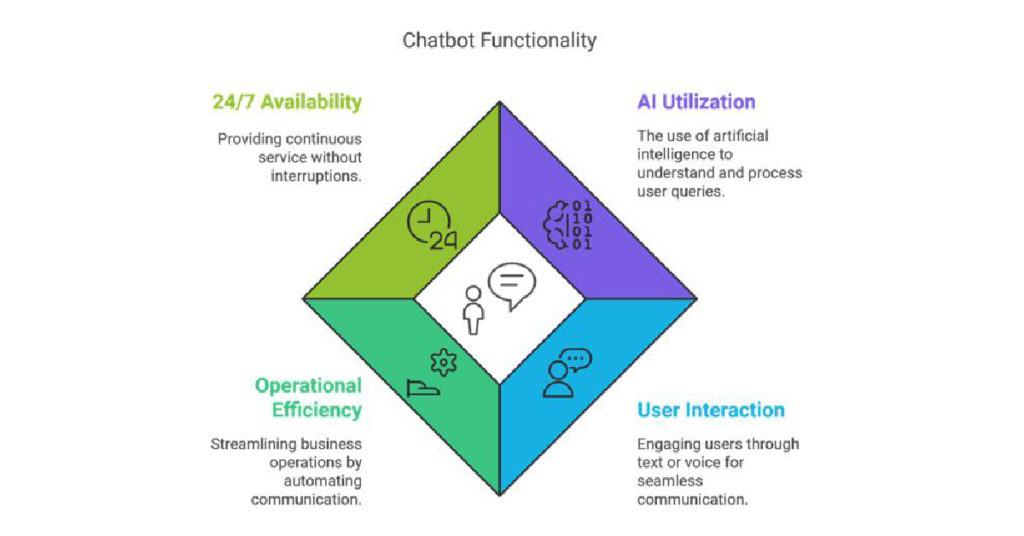
How HubtelWay AI works
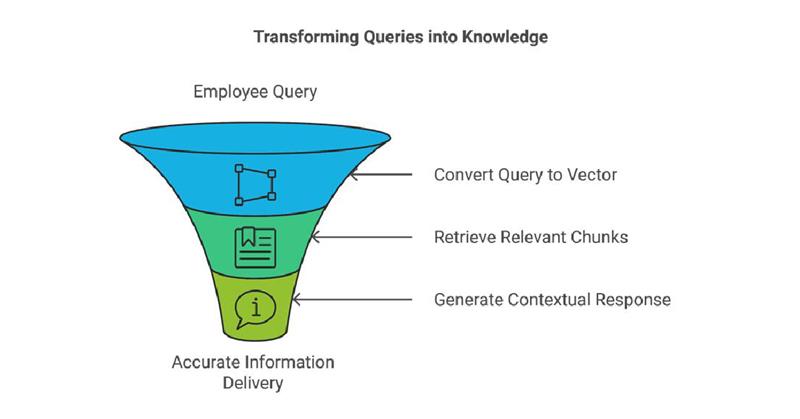
HubtelWay AI operates using Retrieval-Augmented Generation (RAG) with OpenAI models to process our internal knowledge base (the ‘corpus’ of documents). The system breaks down company documents into smaller, focused chunks of text. Using an embedding model, these chunks are converted into unique vector embeddings—essentially numerical representations that capture the meaning of each piece of content. These embeddings are then stored in a vector database for efficient retrieval.
When an employee asks a question, HubtelWay AI converts the query into the same vector format. It then finds the most relevant document chunks. These chunks provide context for the Large Language Model (LLM) to generate responses based strictly on Hubtel’s documentation.
[Note: For those interested in more details of how RAG systems work, we’ve covered this extensively in our Engineering Blog; The Journey From Rule-Based Chatbots Through RAG To Agentic Workflows.]
Data integrity and privacy are essential in such a system. The system is designed to follow Hubtel’s data policy, which maintains data confidentiality and protects employees’ privacy. Personal data or sensitive employee information is not stored or shared, as the chatbot only accesses anonymized and non-personally identifiable organizational content to provide responses.
Practical Applications and Future Enhancements
Imagine a new team member joining Hubtel. Instead of spending weeks navigating various documents, they can simply ask HubtelWay AI questions like, “What are Hubtel’s core values?” or “How does Hubtel approach teamwork?” This immediate access to cultural knowledge allows them to align with our ways of working from day one.
For current team members, HubtelWay AI offers reliable support for day-to-day decisions. Whether refreshing their understanding of company policies or checking details about our leadership structure, the system provides consistent information across all our locations. This uniformity is essential as we expand across cities.
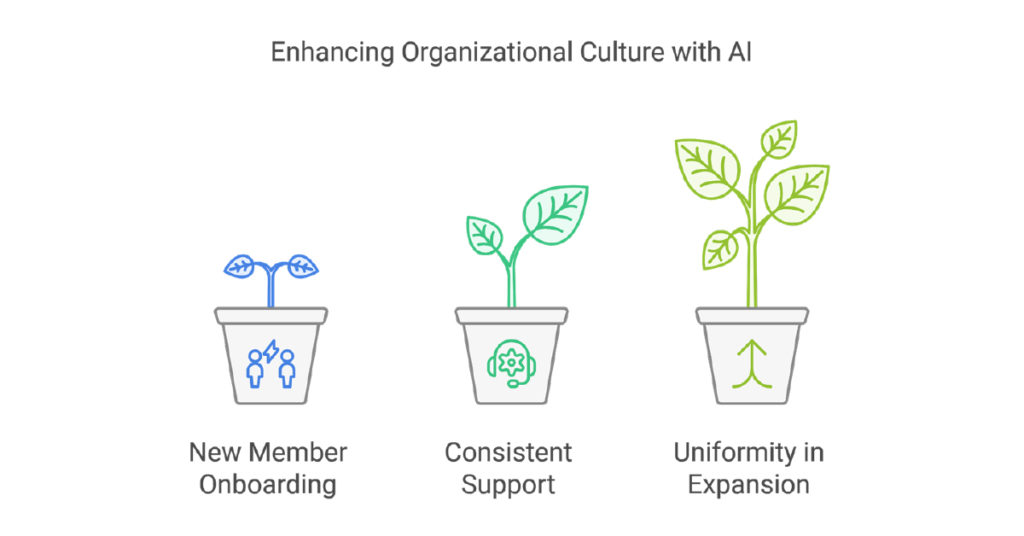
As we look towards the future, HubtelWay AI may incorporate more personalized features. These may include department-specific knowledge or project-based frequently asked questions (FAQs) to better cater to specialized teams. In addition, we are exploring the integration of real-time updates. This feature would allow the chatbot to reflect any new policy changes instantly. This way, employees will always have access to the most current information.
READ ALSO: From Snail Mail to Warp Speed: How Hubtel Rocketed Its Product Delivery
Embrace the HubtelWay…
We encourage all ‘Hubtelites’ to make HubtelWay AI their first stop for questions about the company. Whether you’re a new team member finding your feet or a seasoned ‘Hubtelite’ exploring new aspects of our organization, HubtelWay AI is your gateway to a deeper understanding of the Hubtel Way—safeguarded by technology that values both efficiency and privacy.

Authors

Nobert Kyereboah Mensah
Engineering Manager. Data Intelligence
Warning: Constant COLOR_SCHEME_BLUE already defined in /var/www/html/bloghubtel/wp-content/themes/bloghubtel/template-parts/content-mobile-app-banner.php on line 3
Warning: Constant COLOR_SCHEME_RED already defined in /var/www/html/bloghubtel/wp-content/themes/bloghubtel/template-parts/content-mobile-app-banner.php on line 4
Warning: Constant COLOR_SCHEME_LIGHT already defined in /var/www/html/bloghubtel/wp-content/themes/bloghubtel/template-parts/content-mobile-app-banner.php on line 5
Warning: Constant FACEBOOK_SHARE_URL already defined in /var/www/html/bloghubtel/wp-content/themes/bloghubtel/template-parts/content-mobile-app-banner.php on line 8
Warning: Constant LINKEDIN_SHARE_URL already defined in /var/www/html/bloghubtel/wp-content/themes/bloghubtel/template-parts/content-mobile-app-banner.php on line 9
Warning: Constant TWITTER_SHARE_URL already defined in /var/www/html/bloghubtel/wp-content/themes/bloghubtel/template-parts/content-mobile-app-banner.php on line 10
Warning: Constant WHATSAPP_SHARE_URL already defined in /var/www/html/bloghubtel/wp-content/themes/bloghubtel/template-parts/content-mobile-app-banner.php on line 11
Warning: Constant CUSTOM_ADS_CONTENT_WRAPPER already defined in /var/www/html/bloghubtel/wp-content/themes/bloghubtel/template-parts/content-mobile-app-banner.php on line 14
Warning: Constant IMAGE_WRAPPER_CLASSES already defined in /var/www/html/bloghubtel/wp-content/themes/bloghubtel/template-parts/content-mobile-app-banner.php on line 15
Warning: Constant APPLE_APP_STORE_URL already defined in /var/www/html/bloghubtel/wp-content/themes/bloghubtel/template-parts/content-mobile-app-banner.php on line 18
Warning: Constant GOOGLE_PLAY_STORE_URL already defined in /var/www/html/bloghubtel/wp-content/themes/bloghubtel/template-parts/content-mobile-app-banner.php on line 19
Warning: Constant HUAWEI_APP_GALLERY_URL already defined in /var/www/html/bloghubtel/wp-content/themes/bloghubtel/template-parts/content-mobile-app-banner.php on line 20
Related
Hubtel Settlement Times Explained: How Fast Your Payments Get to You
September 17, 2026| 8-minute read
Hubtel and Nova Business School Africa Discuss Partnership on Digital Entrepreneurship
September 14, 2026| 5-minute read
Hubtel CEO Alex Bram Builds New Police Station for Dokrochiwa
September 10, 2026| 4-minute read

Scaling an Engineering Team from 16 to Over 100 in Less Than 4 Years: Hubtel’s Journey, A Tale of Growth, Innovation, and a Whole Lot of Coffee
Reaching the stage where tackling scaling challenges is part of your daily hurdles is a great place to be. It’s in one way or the other, the kind of problem every innovation team aspires to face. It’s a sign your innovations are succeeding, but it also requires evolving your teams and systems to meet new challenges and opportunities. Scaling an engineering team from a modest 16 to over 100 engineers is a significant milestone for any company, and at Hubtel, this journey has been one of excitement, learning, and growth. It reflects our commitment to building not just an engineering powerhouse, but a culture and ecosystem where innovation thrives.
As a fintech company heavily engaged in e-commerce and building systems that significantly impact both our operations and many key businesses in the market, our ability to scale quickly became a critical component of our success.
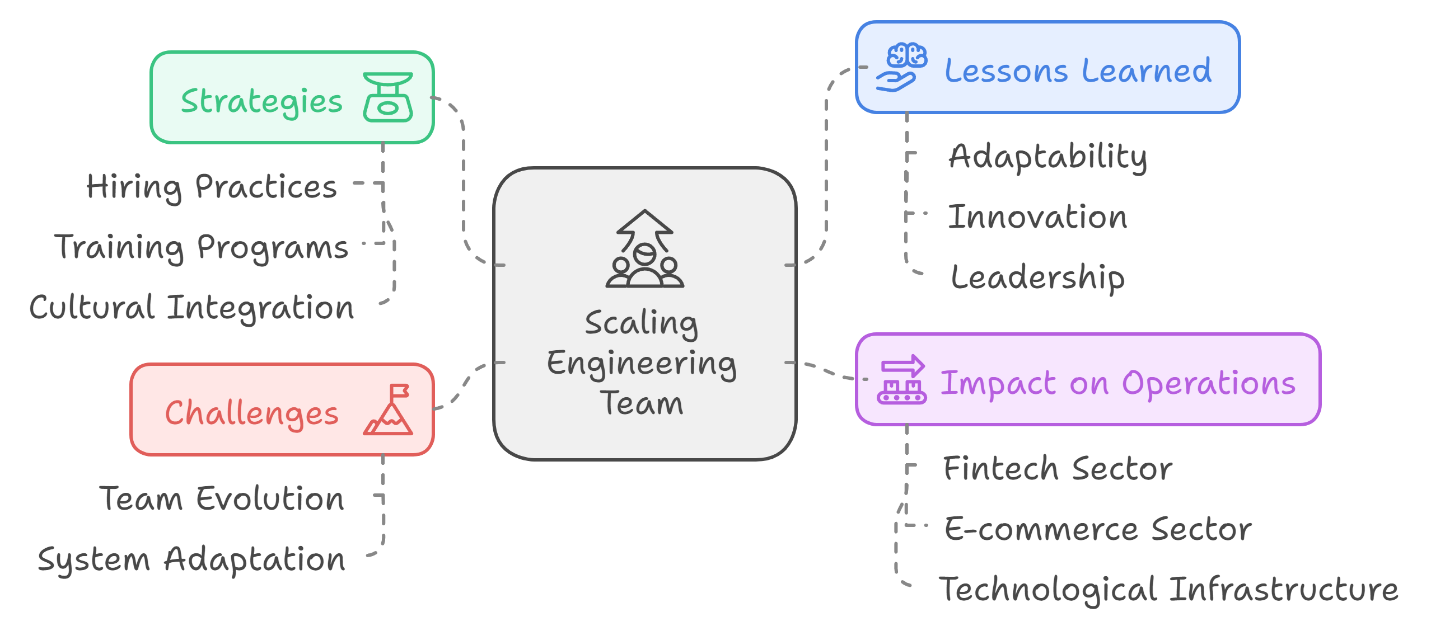
Let’s explore the strategies, challenges, and lessons learned in scaling Hubtel’s engineering team to meet the demands of an evolving industry, complex projects, and the need for a robust technological infrastructure to support our growing suite of products and services.
READ ALSO: HubtelWay AI: An Artificial Intelligence Solution to Enhance Organizational Culture
1. The Need for Scaling: Recognizing the Inflection Point
Scaling Hubtel’s engineering team was not a decision made overnight. It was the result of careful consideration and an assessment of where the company was headed. In our early stages, the engineering team was a lean 16-person group that handled all aspects of product development, from coding and infrastructure to bug fixes and deployments. This worked well when our operations were focused on relatively limited product offerings.
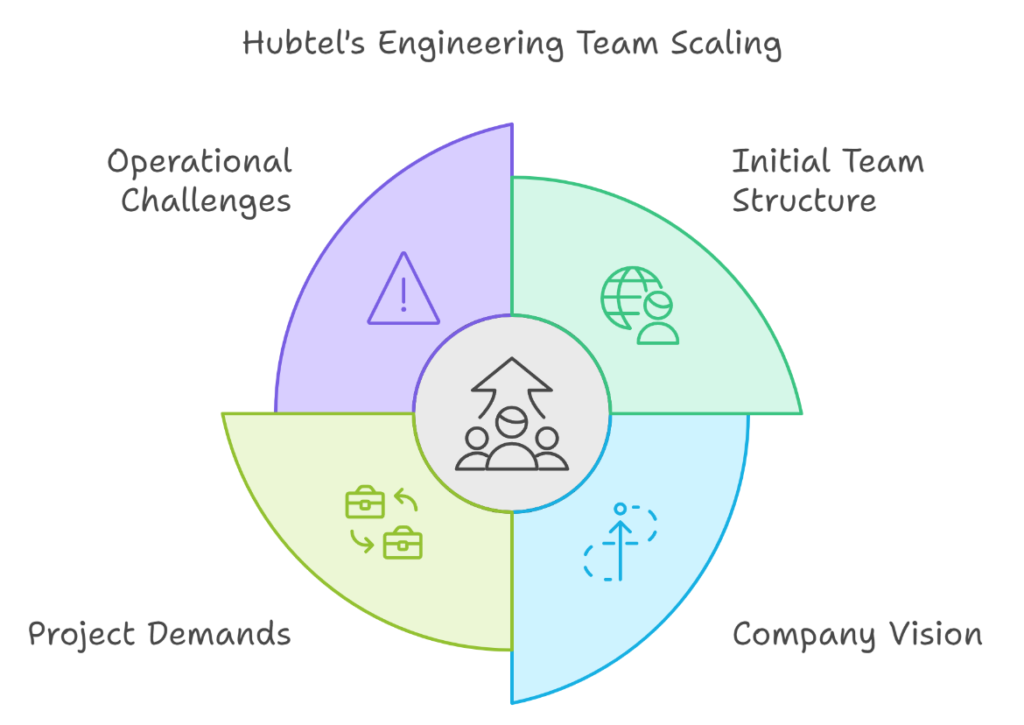
However, as we expanded our vision to “Drive Africa forward by enabling everyone find and pay for everyday essentials” and widen our product scope, particularly into more complex B2B services, it became clear that we needed more hands-on-deck. We were reaching an inflection point where our current capacity couldn’t keep up with the new projects and demands. Our ambitions to deliver a best-in-class fintech platform required us to reimagine what our engineering team would look like in order to meet the technical and operational challenges ahead.
2. Laying the Foundation: A Clear Framework for Growth
Before jumping into the hiring frenzy, we needed to put a framework in place. Scaling is not just about adding more people, it’s about hiring the right people, at the right time, for the right reasons. The following were our foundational pillars for this process:
Defining Roles and Responsibilities
The first step was defining what roles we needed to fill. Let me say that we have long mastered the practice of maintaining a clear separation of concerns in Hubtel engineering frontend, backend, mobile, Infrastructure, with each team operating with specific objectives. But in a smaller team, engineers often wear many hats, juggling between multiple projects and responsibilities and while this flexibility is valuable in a small setup, we recognized that to scale effectively, we had to specialize.
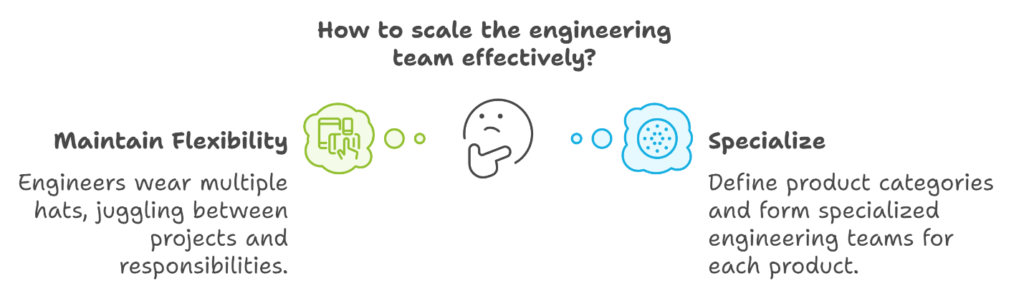
We clearly defined product categories and formed a full engineering team around each product (frontend developers, backend engineers, machine learning engineers, data engineers, DevOps specialists, quality assurance (QA) engineers, and product managers). This specialization allowed each team member to sharply focus all their expertise on a single product and give their best, giving them a singularity of focus, improving both the speed and quality of work.
Establishing Core Competencies
We identified core competency areas that every engineer needed to excel in. These included both technical skills, such as proficiency in key programming languages and frameworks (e.g., C#,.NET, JavaScript, Reactjs, Vuejs), and soft skills like communication, problem-solving, and collaboration. Since engineers often work across teams, strong cross-functional communication became essential as we scaled.
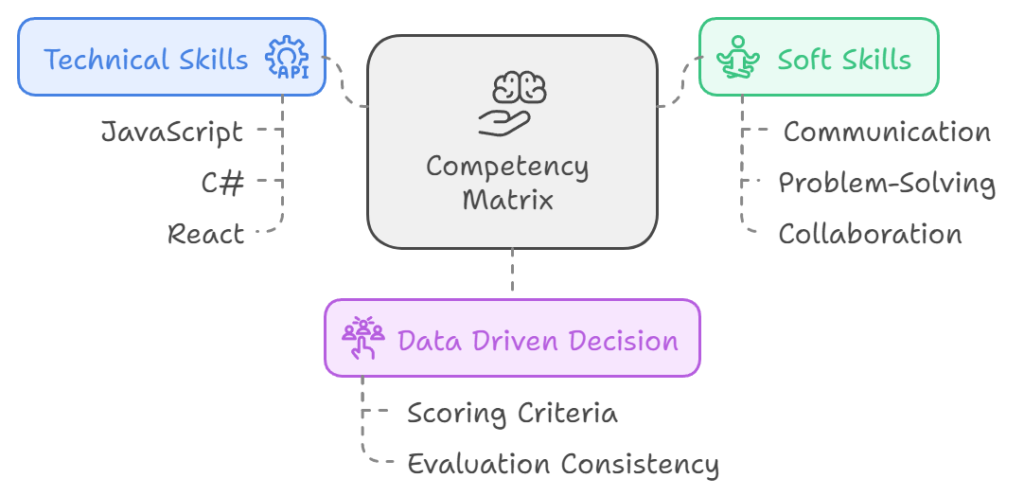
To ensure fair, data-driven hiring decisions, we created a detailed competency matrix used in all interviews. This matrix allowed us to score prospective engineers in each competency area, ensuring we evaluated both technical expertise and cultural fit as accurately and consistently as possible.
Creating a Scalable Hiring Process
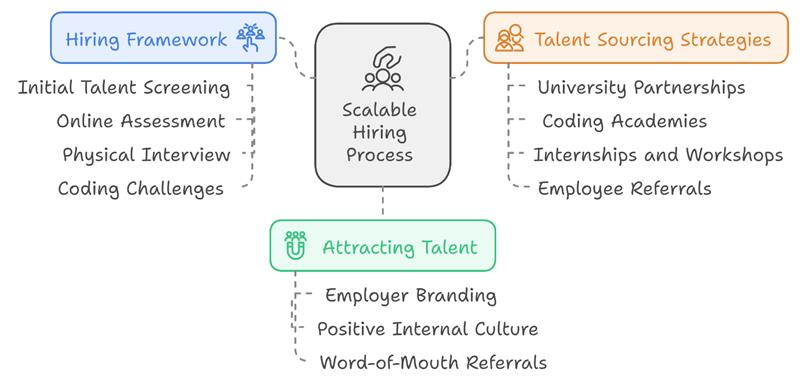
Hiring quickly doesn’t mean hiring haphazardly. We knew we needed a robust hiring framework that would allow us to evaluate candidates quickly and fairly. Our hiring process was designed to be rigorous, with multiple stages of interviews: an initial talent phone screening – to show appreciation for the time the talent invested in the application and explain the journey ahead, an online assessment that tests both technical, cognitive and soft skills, and a physical interview followed by a coding challenge that reflects real-world problems engineers would face at Hubtel.
3. Attracting Talent: Building a Pipeline of Engineers
One of the biggest challenges we faced in scaling Hubtel’s engineering team was finding the right talent. As competition for skilled engineers has grown globally, especially in the fintech space, we needed to think creatively about how to attract talent.
Branding Hubtel as a Destination for Engineers
Building a strong employer brand became crucial during this phase. We focused on positioning Hubtel as a place where engineers could tackle complex, meaningful challenges. This was largely achieved through intentional leadership, fostering a positive internal culture, and benefiting from word-of-mouth referrals, as our engineers and network shared their positive experiences, attracting top talent organically. They highlighted the exciting work we were doing in fintech and how they were driving impactful changes in revenue mobilisation in the utility sector, instant services, e-commerce etc.
Partnerships with Universities and Coding Academies
Another key strategy for talent sourcing was building strong relationships with educational institutions. We partnered with many universities and coding academies, such as the University of Ghana (UG), University of Mines and Technology (UMaT), Ashesi University, and Bluecrest College, among others, to create a pipeline of young, enthusiastic engineers. Through internships, workshops, and mentorship programs, we not only gave back to the community but also developed a steady stream of new talents that could be integrated into our team.
Referrals and Word of Mouth
Word of mouth became one of the most powerful tools in attracting talent. We incentivized our existing employees to refer talented engineers to us, creating a culture where our engineers felt proud of working at Hubtel and excited to bring others into the fold.
4. Talent Development: Onboarding and Growing Engineers from Within
Hiring engineers is only part of the equation. Developing talent from within has been equally important in our scaling journey. One of our core beliefs at Hubtel is that a great engineer is not just one who knows how to code, but one who continues to learn and grow, especially in leadership.
Onboarding Mentorship and Knowledge Sharing
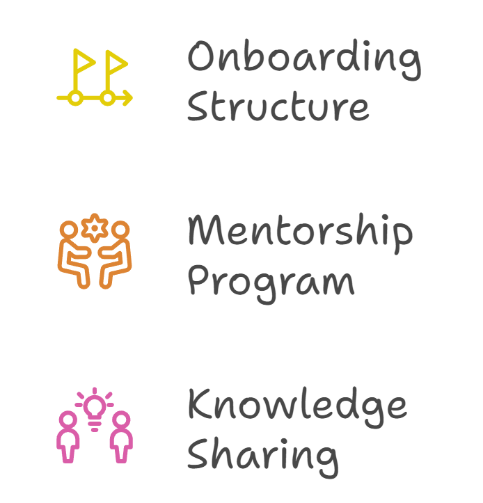
Our onboarding process is a crucial first step in integrating new hires. We’ve designed a comprehensive structure to ensure that new team members quickly familiarize themselves with our tools, processes, and way of working in an immersive and efficient manner. Following this, new hires are paired with senior engineers who provide ongoing mentorship and support, helping them deepen their understanding and adjust smoothly while reinforcing a culture of collaboration and teamwork.
We also created a knowledge-sharing culture, where engineers regularly share what they were working on, new technologies they were exploring, or challenges they were facing. This kind of open communication not only increased the overall knowledge base of the team but also built a sense of camaraderie.
Continuous Learning and Development
To achieve our goals, we invested heavily in learning and development programs ranging from paying for online courses and certifications to organizing an in-house training academy (Hubtel Academy). By providing engineers with opportunities to enhance their skills and explore new technologies, we ensured they remained at the forefront of the industry. At the same time, this approach helped them build the capacity to integrate and lead new team members, fostering a smooth transition into our culture.
5. Building a Culture of Collaboration and Innovation
One of the challenges of scaling is maintaining the culture that made you successful in the first place. . During the pivotal phase of scaling Hubtel’s engineering team, we were intentional about preserving our culture of learning, collaboration and innovation. This wasn’t just about ensuring that everyone worked well together; it was about fostering an environment where people were excited to bring new ideas to the table without promoting speculative import of culture.
Product-Specific Teams
One of our greatest innovations was transitioning from cross-product teams to product-specific teams. This played a key role in scaling Hubtel’s engineering team effectively. By having engineers, product managers, designers, and other professionals dedicated to individual products, we created a clear focus for each team, allowing engineers to specialize and deeply understand the product they were working on. This structure not only improved efficiency and innovation but also provided a clearer path for scaling the engineering team, as we could hire and grow talent based on the specific needs of each product. This targeted approach helped us expand the team strategically both vertically for a specific product and horizontally across the organization.
Fostering Innovation to Support Team Scaling
By setting up a dedicated innovation and tooling team, we created a structured pathway for engineers to contribute new ideas without disrupting their primary responsibilities. This approach not only encouraged continuous improvement but also allowed scaling Hubtel’s engineering team more effectively. Engineers could focus on their core tasks while still having a platform to propose innovations, which were then reviewed and refined by the dedicated team. As successful innovations were implemented across product teams, it improved processes and workflows, allowing us to onboard and integrate new engineers more efficiently. This structure ensured that as our numbers grew, the quality of work and pace of innovation remained high across the organization.
6. Scaling Engineering Leadership
As our engineering team grew, so did the need for more structured leadership. Leading 16 engineers is very different from leading 100. We needed to ensure that communication, performance, and team dynamics remained effective, even as the team expanded.
Introducing Engineering Managers and Leads
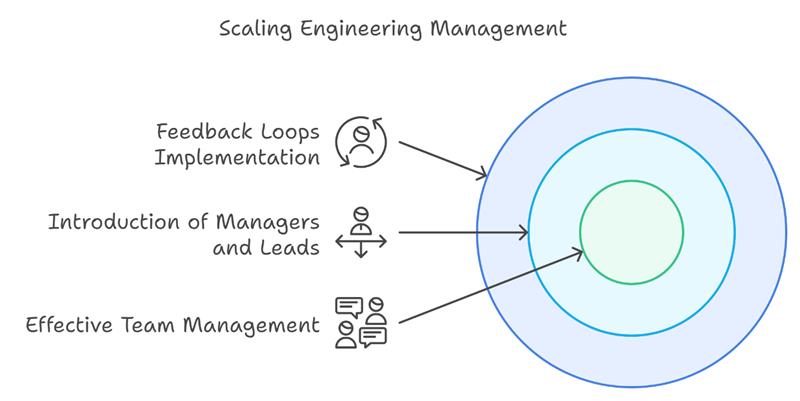
To manage the growing team, we introduced a layer of engineering managers and leads. These leaders were responsible for the day-to-day management of engineers, helping with everything from setting individual goals to removing roadblocks. This allowed the broader engineering leadership to focus on higher-level strategic decisions while ensuring that every engineer had the support they needed to succeed.
Regular Feedback and Reviews
We fueled the success of our scaling structure with the scaling structure itself. Yes, you read that right, and no, we do not claim to have invented a perpetual motion structure, I will explain. We implemented regular feedback loops in each and every single node of our structures, spanning from interviews through onboarding to exit interviews and everything in between. Also, we ensure feedback and metrics are collected, analyzed and fed back into the system to ensure everyone in the team had a clear understanding of how we were performing and where we could improve. We encouraged a culture of open, constructive feedback. Not only did it help the engineers grow, but it also ensured that we were intentionally improving our structure and the team as a whole.
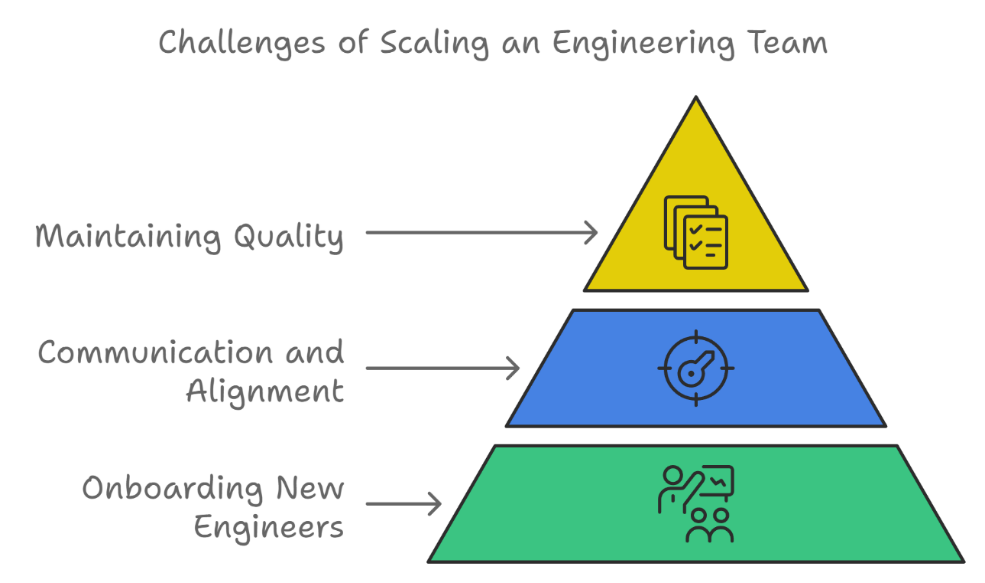
7. The Challenges of Scaling
Scaling is never without its challenges. Throughout this journey, we faced several hurdles that required careful thought and strategy to overcome.
Onboarding New Engineers
Bringing in new engineers quickly can overwhelm existing teams if not done correctly. We invested heavily in our onboarding process (we will talk about this in a later post), ensuring that new hires have a smooth transition into the company. We created detailed onboarding documents, set up mentoring programs, and scheduled regular check-ins to ensure that new engineers were integrating well into their teams.
Communication and Alignment
Another challenge we faced was ensuring that communication remained effective as the team grew. With a small team, it’s easy to keep everyone on the same page, but as the team expanded, we had to be more intentional about communication. We implemented regular all-hands meetings, team stand-ups, and project syncs to keep everyone aligned on goals and priorities.
Maintaining Quality
One of the most significant challenges in scaling is maintaining the quality of the work being produced. As we brought in more engineers, we needed to ensure that they were all producing high-quality code and following best practices. We did this by implementing rigorous code reviews, automated testing, and continuous integration pipelines. These processes allowed us to catch issues early and maintain the quality of our product, even as the number of contributors grew.
READ ALSO: Hubtel’s Observability Journey: How We Enhanced Performance and Reliability
8. Looking Ahead: The Next Phase of Growth
As we reflect on our journey from 16 engineers to over 100, it’s clear that we’ve come a long way—but our growth story is just starting. Tech space continues to evolve rapidly, and as a company with a very ambitious mission, we need to stay ahead of the curve.

Stay tuned—we’ll be talking about scaling from 100 to 1,000 engineers in less than a year before you know it!
Looking ahead, we plan to continue scaling our team with an even greater focus on diversity and inclusion. We believe that.
Authors

Amen Tounou-Akue
Engineering Manager, People and Talent Sourcing

Augustine Gyawu Adjei
Head of Engineering
Warning: Constant COLOR_SCHEME_BLUE already defined in /var/www/html/bloghubtel/wp-content/themes/bloghubtel/template-parts/content-mobile-app-banner.php on line 3
Warning: Constant COLOR_SCHEME_RED already defined in /var/www/html/bloghubtel/wp-content/themes/bloghubtel/template-parts/content-mobile-app-banner.php on line 4
Warning: Constant COLOR_SCHEME_LIGHT already defined in /var/www/html/bloghubtel/wp-content/themes/bloghubtel/template-parts/content-mobile-app-banner.php on line 5
Warning: Constant FACEBOOK_SHARE_URL already defined in /var/www/html/bloghubtel/wp-content/themes/bloghubtel/template-parts/content-mobile-app-banner.php on line 8
Warning: Constant LINKEDIN_SHARE_URL already defined in /var/www/html/bloghubtel/wp-content/themes/bloghubtel/template-parts/content-mobile-app-banner.php on line 9
Warning: Constant TWITTER_SHARE_URL already defined in /var/www/html/bloghubtel/wp-content/themes/bloghubtel/template-parts/content-mobile-app-banner.php on line 10
Warning: Constant WHATSAPP_SHARE_URL already defined in /var/www/html/bloghubtel/wp-content/themes/bloghubtel/template-parts/content-mobile-app-banner.php on line 11
Warning: Constant CUSTOM_ADS_CONTENT_WRAPPER already defined in /var/www/html/bloghubtel/wp-content/themes/bloghubtel/template-parts/content-mobile-app-banner.php on line 14
Warning: Constant IMAGE_WRAPPER_CLASSES already defined in /var/www/html/bloghubtel/wp-content/themes/bloghubtel/template-parts/content-mobile-app-banner.php on line 15
Warning: Constant APPLE_APP_STORE_URL already defined in /var/www/html/bloghubtel/wp-content/themes/bloghubtel/template-parts/content-mobile-app-banner.php on line 18
Warning: Constant GOOGLE_PLAY_STORE_URL already defined in /var/www/html/bloghubtel/wp-content/themes/bloghubtel/template-parts/content-mobile-app-banner.php on line 19
Warning: Constant HUAWEI_APP_GALLERY_URL already defined in /var/www/html/bloghubtel/wp-content/themes/bloghubtel/template-parts/content-mobile-app-banner.php on line 20
Related
Hubtel Settlement Times Explained: How Fast Your Payments Get to You
September 17, 2026| 8-minute read
Hubtel and Nova Business School Africa Discuss Partnership on Digital Entrepreneurship
September 14, 2026| 5-minute read
Hubtel CEO Alex Bram Builds New Police Station for Dokrochiwa
September 10, 2026| 4-minute read

Welcome to Hubtel Engineering: Innovating for Many Years and Beyond
As we approach our 20th anniversary in May 2025, it’s an exciting time to reflect on Hubtel’s journey and look ahead to the future of engineering at our company. Hubtel has crafted a bold vision: ‘to be Africa’s most useful company,’ powering convenience for millions across the continent. Our mission—’to drive Africa forward by enabling everyone find and pay for everyday essentials’—continues to guide us daily.
The Engineering Department: Building the Future Today
At the heart of Hubtel’s success is a vibrant and ever-evolving engineering team. Our engineering department is not just about writing code; it’s about creating solutions that impact lives. As Head of Engineering, my goal is to foster a culture of innovation, “hyperproductivity,” and ownership among our team of over 100 talented engineers.
READ ALSO: From Snail Mail to Warp Speed: How Hubtel Rocketed Its Product Delivery
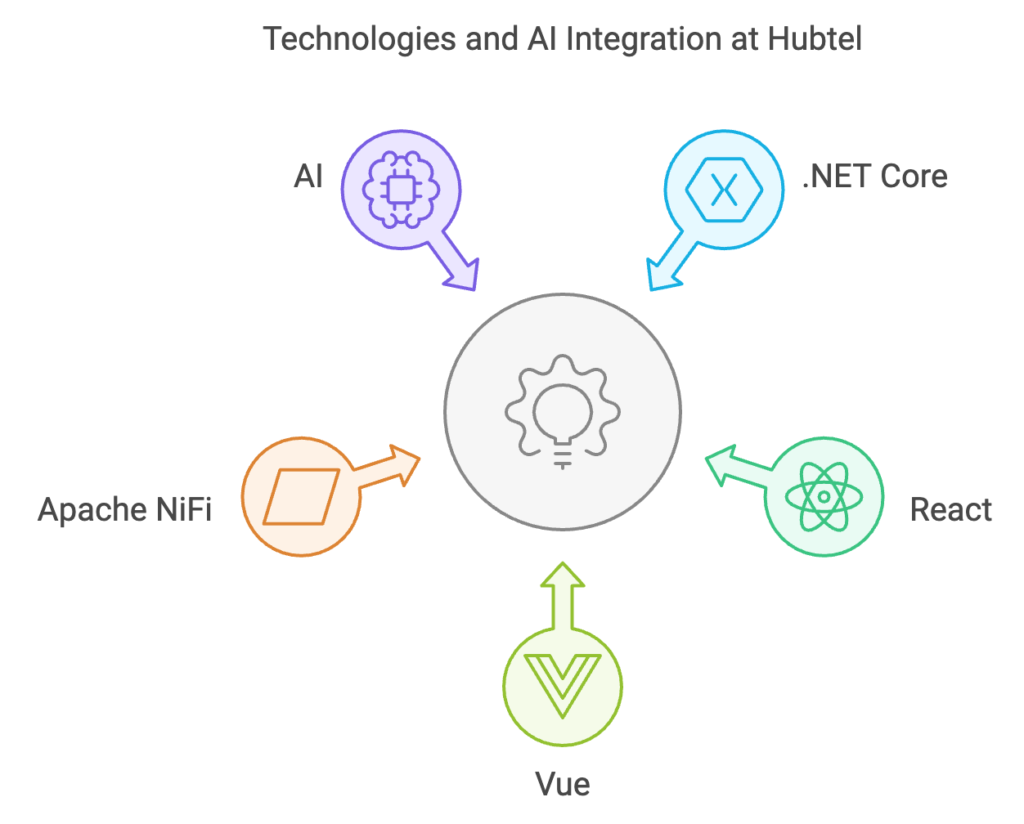
Our engineers, though many are new to Hubtel, share a passion for problem-solving and a commitment to our mission. Together, we’re pushing boundaries with cutting-edge technologies—from .NET Core and React (and Vue) on the frontend to Apache NiFi in data engineering. Now, we’re infusing AI into our processes and products, exploring new possibilities in our dedicated AI lab.
Our Objectives: Engineering Excellence with Purpose
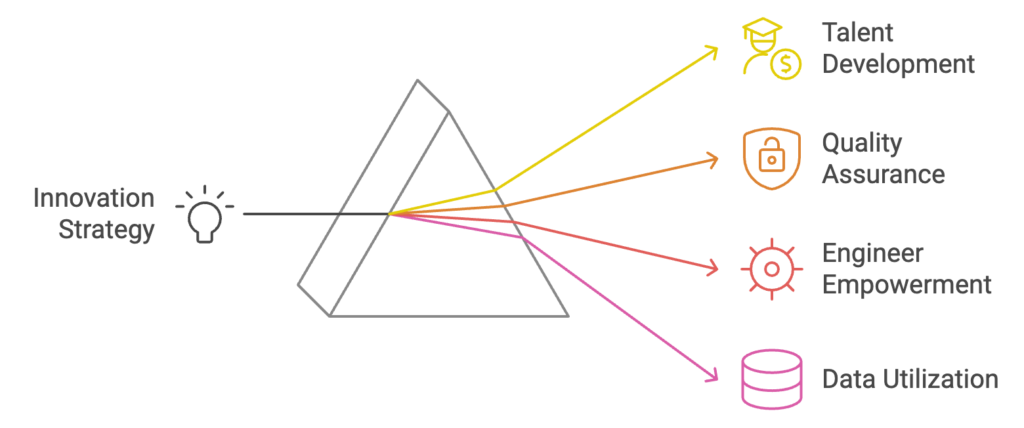
The objectives of the engineering department align with Hubtel’s broader vision. We ensure that we deliver services that are reliable, impactful, and always available. Here’s what we’re focused on:
- Innovation and Experimentation: Our newly-opened AI lab to experiment with emerging technologies and use cases that will shape the future of our product offerings.
- Talent Development: Establishing a strong hiring framework and fostering leadership within the team is essential. We believe in infusing fresh minds into our engineering community and supporting their growth through well-organized tooling and frameworks.
- Quality and Reliability: Our commitment is to produce services that are always available and reliable. We measure success by the confidence in the code we write and the performance of our deployed services in production.
- Empowering Engineers: We encourage our engineers to take ownership of their work and drive the vision and mission of Hubtel from their areas of responsibility. Through regular feedback, professional development opportunities, and a collaborative culture, we strive to keep our team engaged and motivated.
- Leveraging Data: Utilising data gathered from our users to drive informed decisions and improvements is at the core of our approach.
Celebrating Two Decades of Innovation and Looking Ahead
As we celebrate two decades of transforming the digital landscape, the engineering team is more energized than ever. We’re not just building software; we’re crafting experiences that make life easier for businesses and individuals across Africa. The next chapter of Hubtel’s story is about reaching new heights—exploring opportunities, enhancing product offerings, and pushing the limits of what’s possible.
READ ALSO: Beyond Instinct: How the Code Confidence Index (CCI) is Transforming Code Quality at Hubtel
Join Us on This Journey
This blog will be a window into our world—a place where we share our challenges, triumphs, and insights. Whether you’re an engineer at Hubtel or a tech enthusiast curious about our work, we hope you find inspiration here.
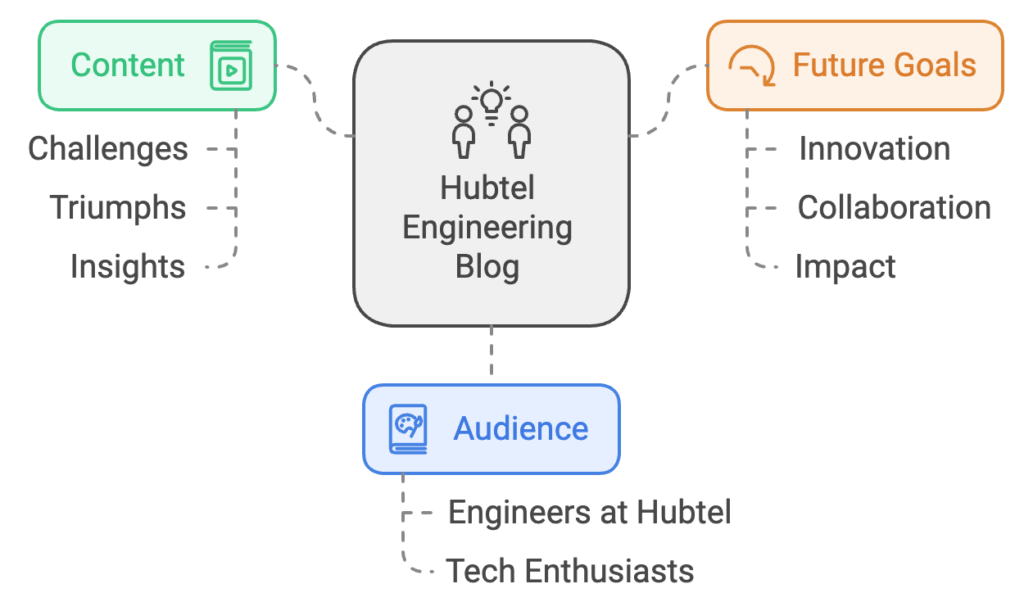
Welcome to the Hubtel Engineering Blog. Here’s to the next 20 years of innovation, collaboration, and impact!
And, oh—this was certainly not written by an LLM 
Authors
Augustine Gyawu Adjei
Head of Engineering
Warning: Constant COLOR_SCHEME_BLUE already defined in /var/www/html/bloghubtel/wp-content/themes/bloghubtel/template-parts/content-mobile-app-banner.php on line 3
Warning: Constant COLOR_SCHEME_RED already defined in /var/www/html/bloghubtel/wp-content/themes/bloghubtel/template-parts/content-mobile-app-banner.php on line 4
Warning: Constant COLOR_SCHEME_LIGHT already defined in /var/www/html/bloghubtel/wp-content/themes/bloghubtel/template-parts/content-mobile-app-banner.php on line 5
Warning: Constant FACEBOOK_SHARE_URL already defined in /var/www/html/bloghubtel/wp-content/themes/bloghubtel/template-parts/content-mobile-app-banner.php on line 8
Warning: Constant LINKEDIN_SHARE_URL already defined in /var/www/html/bloghubtel/wp-content/themes/bloghubtel/template-parts/content-mobile-app-banner.php on line 9
Warning: Constant TWITTER_SHARE_URL already defined in /var/www/html/bloghubtel/wp-content/themes/bloghubtel/template-parts/content-mobile-app-banner.php on line 10
Warning: Constant WHATSAPP_SHARE_URL already defined in /var/www/html/bloghubtel/wp-content/themes/bloghubtel/template-parts/content-mobile-app-banner.php on line 11
Warning: Constant CUSTOM_ADS_CONTENT_WRAPPER already defined in /var/www/html/bloghubtel/wp-content/themes/bloghubtel/template-parts/content-mobile-app-banner.php on line 14
Warning: Constant IMAGE_WRAPPER_CLASSES already defined in /var/www/html/bloghubtel/wp-content/themes/bloghubtel/template-parts/content-mobile-app-banner.php on line 15
Warning: Constant APPLE_APP_STORE_URL already defined in /var/www/html/bloghubtel/wp-content/themes/bloghubtel/template-parts/content-mobile-app-banner.php on line 18
Warning: Constant GOOGLE_PLAY_STORE_URL already defined in /var/www/html/bloghubtel/wp-content/themes/bloghubtel/template-parts/content-mobile-app-banner.php on line 19
Warning: Constant HUAWEI_APP_GALLERY_URL already defined in /var/www/html/bloghubtel/wp-content/themes/bloghubtel/template-parts/content-mobile-app-banner.php on line 20
Related
Hubtel Settlement Times Explained: How Fast Your Payments Get to You
September 17, 2026| 8-minute read
Hubtel and Nova Business School Africa Discuss Partnership on Digital Entrepreneurship
September 14, 2026| 5-minute read
Hubtel CEO Alex Bram Builds New Police Station for Dokrochiwa
September 10, 2026| 4-minute read

Correction of False Claims About ECG Commercial Agreement
Over the past few days, officials of some Civil Society Organisations (CSOs) and media commentators have sought to put out false statements about Hubtel’s work at the Electricity Company of Ghana (ECG).
Some of these false statements seem to be designed to totally discredit the work Hubtel has done in the recent transformation and record-breaking achievements in ECG’s revenue collection and commercial operations. Other false statements have also tried to
paint the picture that Hubtel is part of a procurement scheme that has received payments for no work done.
The table below provides factual responses to these false claims and statements.
| False Statements by CSOs & Media Commentators | The Facts |
| ECG has paid $25million to Hubtel for the PowerApp software. | At the start of the project, $25million was only a figure set out as the cost limit by the Board of Directors of ECG. Hubtel has NOT been paid $25million. With the guidance of Hubtel and other third-party service providers, ECG spent about $12million of the $25million cost limit to replace old and obsolete systems that were causing severe revenue losses and frequent downtimes. These included the upgrading of its core databases from Oracle 10G to Oracle 19C, a new balance management and accounting system, hybridization of metering infrastructure, overhaul of staff systems for commercial operations, overhaul of customer self-service systems, overhaul of revenue protection systems and others. The new ECG PowerApp is only one of the cost lines within these expenditures. |
| Hubtel has said it received $25million but ECG says it has paid GHS 171 million for the PowerApp. | As mentioned above and also in our last press release following the signing of the agreement, some $12million (cumulatively amounting to about GHS 171 million) has been used so far to overhaul ECG’s old and obselete systems as part of this project. Hubtel has NOT quoted any where that we have received $25million from ECG. That press release dated 28th March 2024 can be found at https://news.hubtel.com/hubtel-announces-completion-of-commercial-agreement-with-ecg/ |
| Hubtel is owned by leading political official(s) and has several contracts with the Government of Ghana | At no point since the founding of Hubtel have any of the company’s shares been held or owned, directly or indirectly, by an official of any government institution or any person affiliated with any political party in Ghana. Also, at no point since the founding of the company has it had any contract with the Government of Ghana. |
| ECG could have simply bought the APIs from Hubtel or any other provider and had its own engineers build the new commercial systems. | This is misleading and simply not practical. It is similar to saying one can purchase payment APIs (from say a mobile money telco) so that they never have to pay transaction processing fees ever again. It simply does not work like this within the payment processing industry in Ghana or globally |
| Hubtel gets 3% of every electricity unit purchased by customers of ECG. | Hubtel does NOT get 3% of electricity bought by ECG customers. For all merchants and retailers using Hubtel’s platform, we charge a fee of 1.95% on all transactions processed through our payment platform. 1% of this 1.95% is typically retained by the mobile money and card scheme providers, and Hubtel receives 0.95% as our fees. This is no different in ECG’s case. Hubtel’s fee is 0.95%. Other fees which are not part of Hubtel’s fees include fees retained by upstream payment providers such as mobile money providers, Visa and MasterCard, provision for metering cloud infrastructure, bank transfer charges and next day settlement fees to meet ECG’s demand to receive all collections within 1 day of processing regardless of the settlement period of the upstream payment scheme provider. |
| The duration of ECG’s agreement with Hubtel is 30 years. | The agreement is for 5 years. |
| There has been no improvement in ECG’s revenues since Hubtel’s involvement. | As of the time of this release a monthly average revenue growth of over 210% (compared to the revenues of August 2022) has been achieved as a result of the work being done by Hubtel and the new commercial system providers. This is the longest-sustained record of monthly revenue growth in ECG’s collection history. Even factored for the recent average increase in tariff of about 80%, there is still a significant net monthly revenue growth of about 72%; which is a record growth since the year 2001. This significant jump in monthly revenues has enabled the ECG to become self-sufficient in meeting its obligations to key suppliers in the short-term. |
For the avoidance of doubt, the new commercial systems designed, developed, and implemented by Hubtel and other service providers have only been involved in ECG’s operations since March 2023. Therefore, attempts by some CSOs and media commentators to link our work to ECG’s past financial performance and legacy matters are completely misleading.
Hubtel remains a company deeply rooted in the ideals of good governance, transparency, and an unyielding determination to contribute to the development of the digital economy in Ghana. We wish to assure the general public that our service at ECG has been guided by these principles at all times.
We also remain extremely proud that after several initiatives and investments in the past (costing hundreds of millions of US dollars) aimed at improving ECG’s revenues, that Hubtel, a company founded and managed by Ghanaians, possesses the technology and expertise to transform ECG and set it on the path towards commercial profitability at a fraction of the past investments.
We urge the general public to disregard these misleading comments.
ABOUT HUBTEL
Hubtel is a leading technology company licensed by the Bank of Ghana as an Enhanced Payment Service Provider.
The company makes it easy for people to find and pay for everyday essentials from local businesses of all sizes. Hubtel’s payment processing, messaging, and feature-rich platform enable users to pay bills, make payments, order food, and purchase everyday essentials.
The Financial Times of the UK named Hubtel as Ghana’s fastest-growing company for the 2022 financial year. Amazon Web Services (AWS) and Forbes Magazine have also previously featured the company.
Hubtel operates 23 offices across Ghana and has about 700 direct employees. Founded in 2005, Hubtel’s mission is to drive Africa forward by enabling everyone to find and pay for everyday essentials. The company aims to be Africa’s most useful company, building a platform on which everyone can find, pay, and easily partake in the emerging digital economy across the continent.
Find out more at www.hubtel.com
Warning: Constant COLOR_SCHEME_BLUE already defined in /var/www/html/bloghubtel/wp-content/themes/bloghubtel/template-parts/content-mobile-app-banner.php on line 3
Warning: Constant COLOR_SCHEME_RED already defined in /var/www/html/bloghubtel/wp-content/themes/bloghubtel/template-parts/content-mobile-app-banner.php on line 4
Warning: Constant COLOR_SCHEME_LIGHT already defined in /var/www/html/bloghubtel/wp-content/themes/bloghubtel/template-parts/content-mobile-app-banner.php on line 5
Warning: Constant FACEBOOK_SHARE_URL already defined in /var/www/html/bloghubtel/wp-content/themes/bloghubtel/template-parts/content-mobile-app-banner.php on line 8
Warning: Constant LINKEDIN_SHARE_URL already defined in /var/www/html/bloghubtel/wp-content/themes/bloghubtel/template-parts/content-mobile-app-banner.php on line 9
Warning: Constant TWITTER_SHARE_URL already defined in /var/www/html/bloghubtel/wp-content/themes/bloghubtel/template-parts/content-mobile-app-banner.php on line 10
Warning: Constant WHATSAPP_SHARE_URL already defined in /var/www/html/bloghubtel/wp-content/themes/bloghubtel/template-parts/content-mobile-app-banner.php on line 11
Warning: Constant CUSTOM_ADS_CONTENT_WRAPPER already defined in /var/www/html/bloghubtel/wp-content/themes/bloghubtel/template-parts/content-mobile-app-banner.php on line 14
Warning: Constant IMAGE_WRAPPER_CLASSES already defined in /var/www/html/bloghubtel/wp-content/themes/bloghubtel/template-parts/content-mobile-app-banner.php on line 15
Warning: Constant APPLE_APP_STORE_URL already defined in /var/www/html/bloghubtel/wp-content/themes/bloghubtel/template-parts/content-mobile-app-banner.php on line 18
Warning: Constant GOOGLE_PLAY_STORE_URL already defined in /var/www/html/bloghubtel/wp-content/themes/bloghubtel/template-parts/content-mobile-app-banner.php on line 19
Warning: Constant HUAWEI_APP_GALLERY_URL already defined in /var/www/html/bloghubtel/wp-content/themes/bloghubtel/template-parts/content-mobile-app-banner.php on line 20
Related
Hubtel and Nova Business School Africa Discuss Partnership on Digital Entrepreneurship
September 14, 2026| 5-minute read
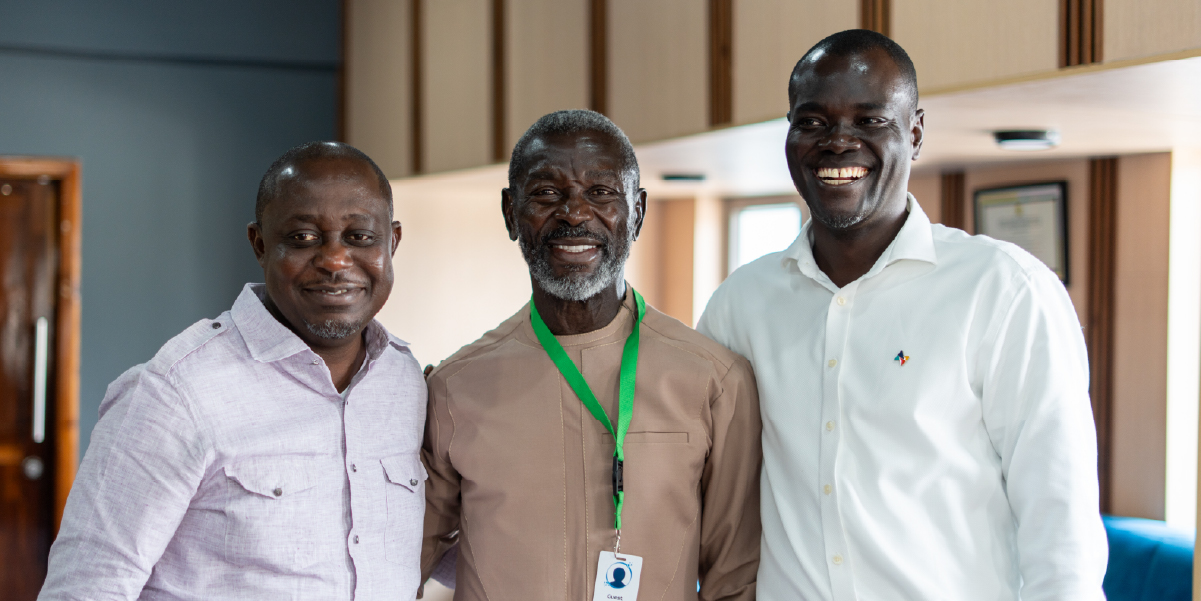
Capt. Prince Kofi Amoabeng Visits Hubtel to Explore Leadership and Youth Development Collaboration
August 31, 2026| 5-minute read

Hubtel Supports Next Generation of Fintech Innovators as Official Technology Partner of MoMo Fintech Lab
August 14, 2026| 3-minute read
Hubtel Completes Biggest Upgrades to Developer Portal
Imagine this: you’re a developer tasked with building an app that needs to send text messages to users or accept mobile money payments. In the past, this could mean hunting down outdated PDFs filled with technical jargon and waiting for updates. But fear not, because Hubtel’s developer portal is here to make your life easier!
Think of the portal as your one-stop shop for everything related to integrating Hubtel’s communication features into your app. No more endless searches or waiting games. This user-friendly platform provides everything you need in one central location, accessible anytime you need it.
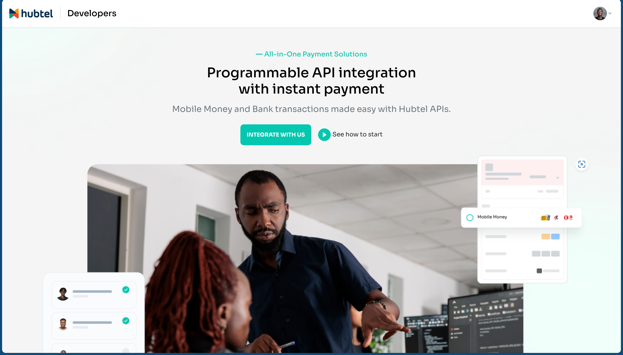
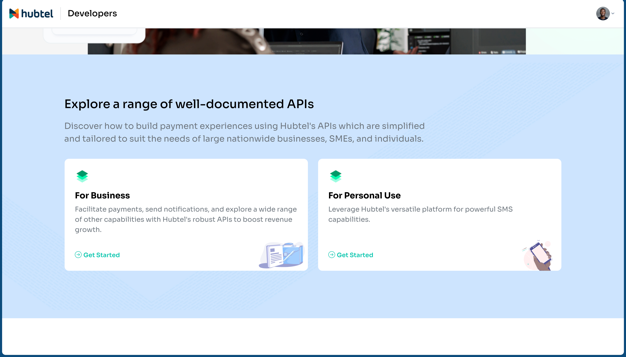
So, what exactly can you find on the Hubtel developer portal? Let’s break it down.
First up, there’s the API documentation. This is basically a detailed instruction manual, written in clear and simple language, that explains how to connect your app to Hubtel’s tools. Don’t worry if technical terms pop up here and there; the portal is designed to be easy to understand, even for beginners.
Next, you’ll find a section dedicated to API credentials. These are like secret keys that allow your app to talk to Hubtel’s system. The portal makes getting these credentials a breeze, so you can skip the hassle and focus on building your amazing app.
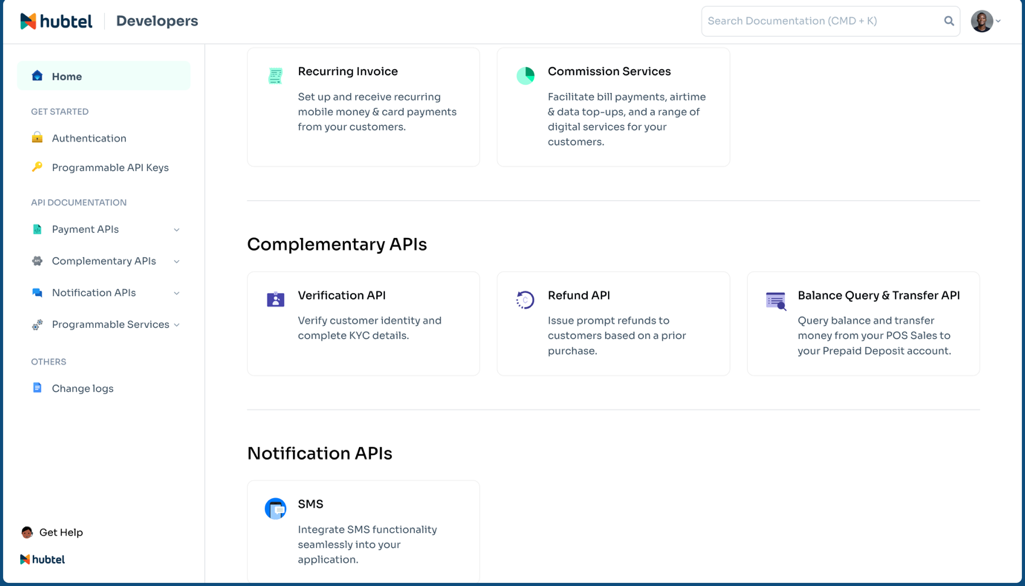
But wait, there’s more! The developer portal isn’t just for sending text messages. If you’re working on a larger project for a big company, you’ll also find tools for processing payments directly through your app. This means your users can pay for services or products without ever leaving your app, making things super convenient for everyone.
Now, you might be wondering who can benefit from this developer portal. The answer is simple: everyone! Whether you’re a solo developer working on a small app or part of a large team building a complex system, the portal has something to offer.
For small businesses and individual developers, the portal makes it easy to add features like SMS notifications to your apps. This could be anything from sending appointment reminders to keeping customers updated on their orders. The clear documentation and simple credential management make it a snap to get started, saving you valuable time and frustration.
For larger companies, the portal unlocks a whole new level of functionality. You can use Hubtel’s APIs to streamline your payment processing system, allowing customers to pay for services directly within your app. Plus, you can leverage bulk SMS capabilities to send targeted messages to large groups of users, keeping them informed and engaged.
The bottom line? The Hubtel developer portal is for anyone who wants to add powerful communication tools to their apps. It’s a self-service platform that puts everything you need at your fingertips, from clear instructions to easy-to-obtain credentials. With positive user feedback highlighting its user-friendliness and efficiency, the portal is making Hubtel’s communication tools more accessible than ever before.
Warning: Constant COLOR_SCHEME_BLUE already defined in /var/www/html/bloghubtel/wp-content/themes/bloghubtel/template-parts/content-mobile-app-banner.php on line 3
Warning: Constant COLOR_SCHEME_RED already defined in /var/www/html/bloghubtel/wp-content/themes/bloghubtel/template-parts/content-mobile-app-banner.php on line 4
Warning: Constant COLOR_SCHEME_LIGHT already defined in /var/www/html/bloghubtel/wp-content/themes/bloghubtel/template-parts/content-mobile-app-banner.php on line 5
Warning: Constant FACEBOOK_SHARE_URL already defined in /var/www/html/bloghubtel/wp-content/themes/bloghubtel/template-parts/content-mobile-app-banner.php on line 8
Warning: Constant LINKEDIN_SHARE_URL already defined in /var/www/html/bloghubtel/wp-content/themes/bloghubtel/template-parts/content-mobile-app-banner.php on line 9
Warning: Constant TWITTER_SHARE_URL already defined in /var/www/html/bloghubtel/wp-content/themes/bloghubtel/template-parts/content-mobile-app-banner.php on line 10
Warning: Constant WHATSAPP_SHARE_URL already defined in /var/www/html/bloghubtel/wp-content/themes/bloghubtel/template-parts/content-mobile-app-banner.php on line 11
Warning: Constant CUSTOM_ADS_CONTENT_WRAPPER already defined in /var/www/html/bloghubtel/wp-content/themes/bloghubtel/template-parts/content-mobile-app-banner.php on line 14
Warning: Constant IMAGE_WRAPPER_CLASSES already defined in /var/www/html/bloghubtel/wp-content/themes/bloghubtel/template-parts/content-mobile-app-banner.php on line 15
Warning: Constant APPLE_APP_STORE_URL already defined in /var/www/html/bloghubtel/wp-content/themes/bloghubtel/template-parts/content-mobile-app-banner.php on line 18
Warning: Constant GOOGLE_PLAY_STORE_URL already defined in /var/www/html/bloghubtel/wp-content/themes/bloghubtel/template-parts/content-mobile-app-banner.php on line 19
Warning: Constant HUAWEI_APP_GALLERY_URL already defined in /var/www/html/bloghubtel/wp-content/themes/bloghubtel/template-parts/content-mobile-app-banner.php on line 20
Related

Your Laundry Customers Will Pay. They Just Need a System That Asks
May 28, 2026| 2-minute read
Clearer Account Names on Your Money Page
April 23, 2026| 2-minute read
Upcoming Changes: Do More in One Place
April 23, 2026| 2-minute read
Meet the Zonal Manager who is bringing Kokomlemle’s favourite restaurants to you
“It feels like just yesterday that I joined Hubtel. Over my six years here, I’ve worn many hats, and each role has taught me something new. I feel like I’m learning every day,” shares Alvin Aborjoe, Zonal Manager for Kokomlemle. Since starting as a Customer Relationship Manager in 2018, Alvin has navigated various roles and departments before assuming his current role, overseeing Hubtel’s operations in Kokomlemle.
How has your role evolved at Hubtel?
“I began as a Customer Relationship Manager at Hubtel in 2018. My primary task at the time was to promote our service to mobile money vendors. After focusing on that for a while, my main responsibility shifted to selling our POS systems to customers. I did that for some time before my role changed to Retail Relationship Manager. In this new role, my responsibility was to help businesses manage their storefronts.
During this period, Hubtel was exploring quick commerce. Because of my relationships with retailers as a Retail Relationship Manager, I was moved to join the Quick Commerce team.
My role changed again to Zonal Manager in the Commercial and New Markets department, which is my current role. This was during the introduction of the Hubtel app, and my task was to onboard retailers and restaurants onto the platform.
Each role I’ve had at Hubtel has taught me something new and has allowed me to apply my skills and experience in new ways. It’s been an interesting journey, I must say.”
What does your day-to-day look like?
“As a Zonal Manager at Hubtel, my day revolves around coordinating the activities of my subordinates. I oversee sales operation executives, retail relationship executives, and riders daily for the Kokomlemle zone. Their activities are interconnected and operate like a conveyor belt. Each role impacts the others, and I ensure everything runs smoothly.
It begins with Retail Relationship Executives (RREs) bringing the most sought-after restaurants or items in Kokomlemle onto the app. They create awareness and activations to inform customers that they can find their favourite restaurants on the app. Next, Sales Operation Executives (SOEs) ensure that orders from customers are fulfilled. They contact the restaurants to confirm orders and then get in touch with the riders to pick up the orders and deliver them straight to the customers. The riders deliver the orders, verify a code to confirm the delivery, and the cycle continues.
So, my role is to ensure the conveyor belt moves smoothly without any hitches.”
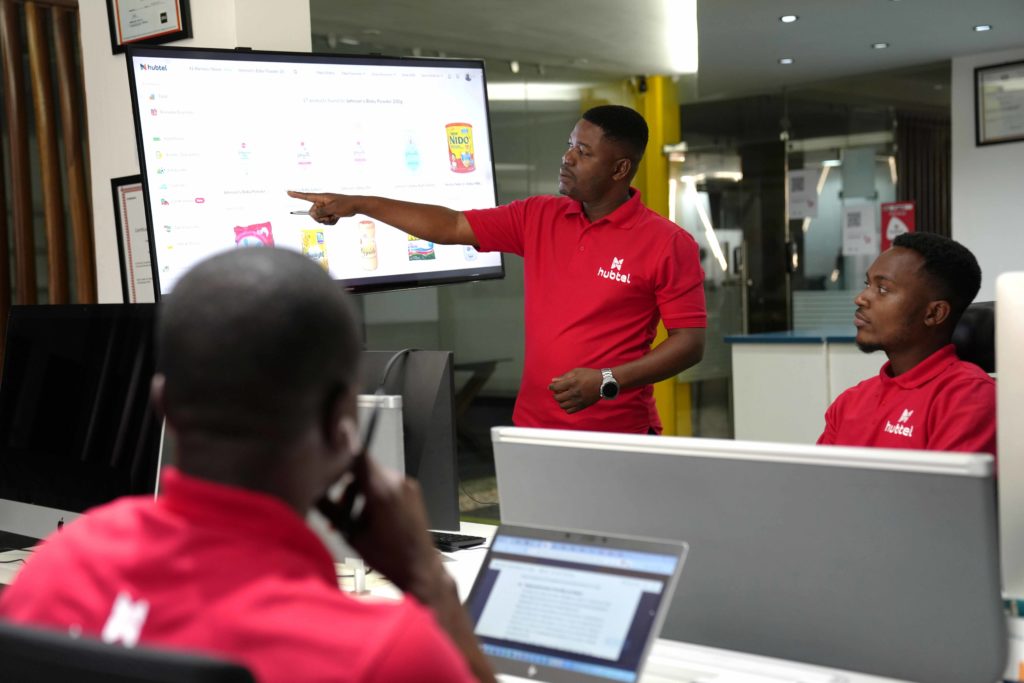
How does your role contribute to Hubtel’s success?
As a Zonal Manager, I ensure smooth operations within my zone, fostering good relations between customers and Hubtel, as well as between partner retailers and Hubtel. Additionally, we gather customer feedback, find popular retailers, and actively onboard them onto our app. This ensures customers at Kokomlemle have a wide selection of restaurants to choose from and can find their everyday essentials on the app, thereby driving profitable growth for Hubtel.
What excites you most about working at Hubtel?
“First, I would say the people. At my previous employer, I was just an employee—I can’t quite describe it any other way. But here at Hubtel, it’s different; you’re not just an employee, you’re part of a family. I value the relationships I’ve built here. When you meet a new colleague, it doesn’t take long before you find yourselves working well together. My second favourite thing would be the room for growth it provides.
My second favourite thing is the room for growth it provides. Currently, as part of my role as a Zonal Manager, I oversee the onboarding of pharmacies and shops. This is another opportunity for me to learn and grow. Let’s see where it takes me from here. ”
And to wrap things up, what’s your favourite food to order on the app?
“I’m not being biased, but my favourite dish to order is Banku with oilless okro from Liquid and Grill. Oh my God, if you’re not a fan of palm oil, this combo will amaze you. Just place the order.”
Warning: Constant COLOR_SCHEME_BLUE already defined in /var/www/html/bloghubtel/wp-content/themes/bloghubtel/template-parts/content-mobile-app-banner.php on line 3
Warning: Constant COLOR_SCHEME_RED already defined in /var/www/html/bloghubtel/wp-content/themes/bloghubtel/template-parts/content-mobile-app-banner.php on line 4
Warning: Constant COLOR_SCHEME_LIGHT already defined in /var/www/html/bloghubtel/wp-content/themes/bloghubtel/template-parts/content-mobile-app-banner.php on line 5
Warning: Constant FACEBOOK_SHARE_URL already defined in /var/www/html/bloghubtel/wp-content/themes/bloghubtel/template-parts/content-mobile-app-banner.php on line 8
Warning: Constant LINKEDIN_SHARE_URL already defined in /var/www/html/bloghubtel/wp-content/themes/bloghubtel/template-parts/content-mobile-app-banner.php on line 9
Warning: Constant TWITTER_SHARE_URL already defined in /var/www/html/bloghubtel/wp-content/themes/bloghubtel/template-parts/content-mobile-app-banner.php on line 10
Warning: Constant WHATSAPP_SHARE_URL already defined in /var/www/html/bloghubtel/wp-content/themes/bloghubtel/template-parts/content-mobile-app-banner.php on line 11
Warning: Constant CUSTOM_ADS_CONTENT_WRAPPER already defined in /var/www/html/bloghubtel/wp-content/themes/bloghubtel/template-parts/content-mobile-app-banner.php on line 14
Warning: Constant IMAGE_WRAPPER_CLASSES already defined in /var/www/html/bloghubtel/wp-content/themes/bloghubtel/template-parts/content-mobile-app-banner.php on line 15
Warning: Constant APPLE_APP_STORE_URL already defined in /var/www/html/bloghubtel/wp-content/themes/bloghubtel/template-parts/content-mobile-app-banner.php on line 18
Warning: Constant GOOGLE_PLAY_STORE_URL already defined in /var/www/html/bloghubtel/wp-content/themes/bloghubtel/template-parts/content-mobile-app-banner.php on line 19
Warning: Constant HUAWEI_APP_GALLERY_URL already defined in /var/www/html/bloghubtel/wp-content/themes/bloghubtel/template-parts/content-mobile-app-banner.php on line 20
Related
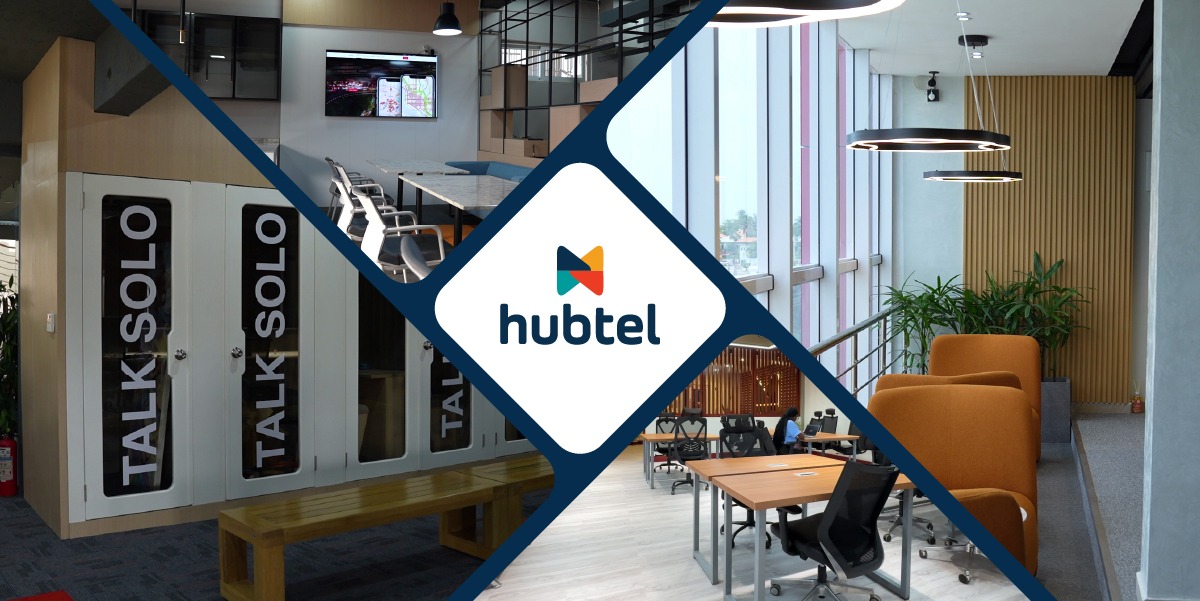
Bigger, Bolder, Better: Hubtel's New Office Spaces
February 23, 2026| 3-minute read

Women in Tech Need Access to Decision-Making Power, Not Just Seats at the Table
February 19, 2026| 4-minute read
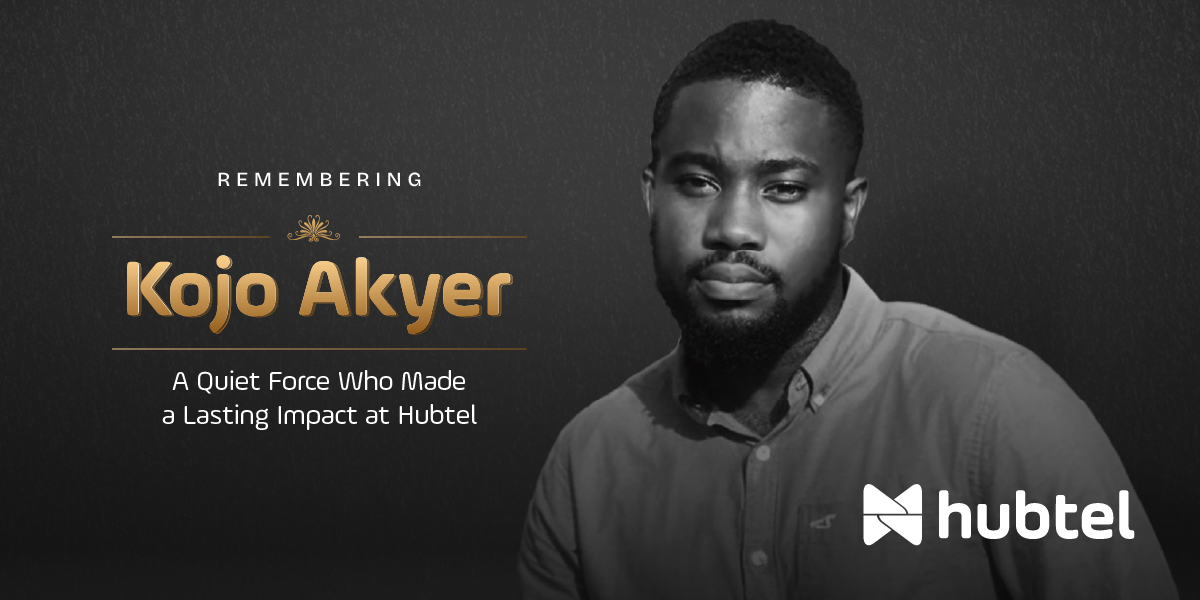
Remembering Kojo Akyer: A Quiet Force Who Made a Lasting Impact at Hubtel
October 22, 2025| 3-minute read
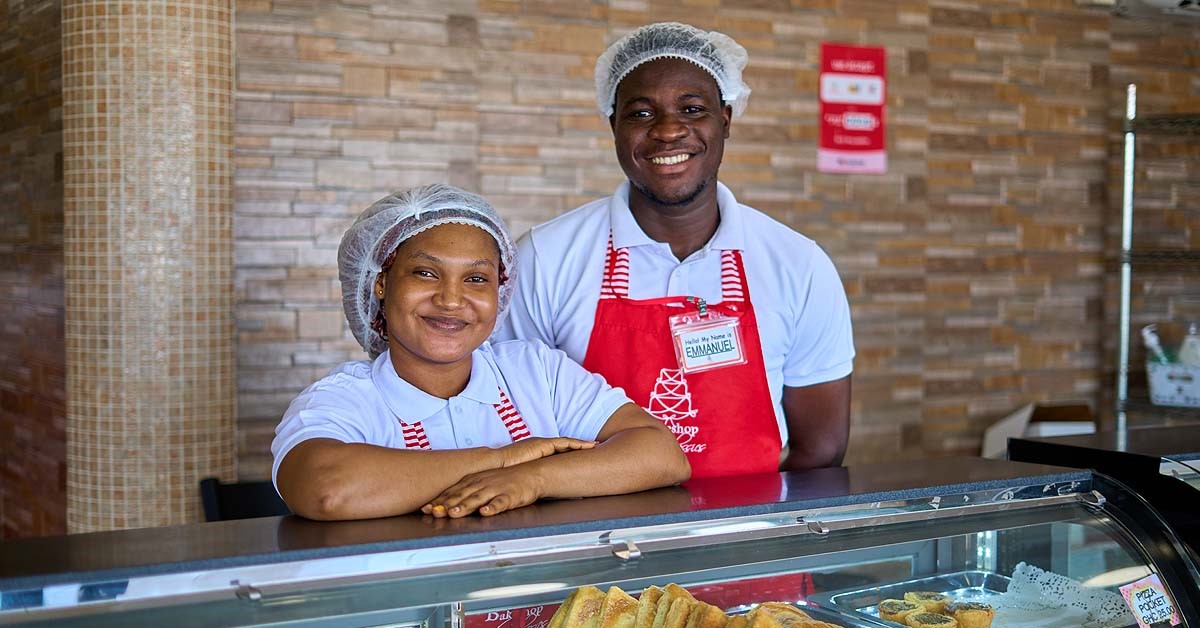
Bakeshop Classics’ Recipe for Success
Like many businesses in Ghana and across Africa, Bakeshop Classics is undergoing a digital transformation to enhance its operations. Their initial steps included adopting digital payments and signing onto Hubtel, making it easier for customers to purchase their favorite treats without visiting the physical store.
Passion and talent turned into a business
Bakeshop Classics has been in operation for more than 30 years. The business was started by Mrs. Blanche Musah Agyemang upon her retirement from the corporate world, where she served as a secretary to several notable firms. “This business was born out of passion,” says Mr. Dan Asare, Business Development Consultant of Bakeshop Classics. “One favourite story Mrs. Musah Agyemang loves to share is how, at the age of 12, she baked a cake for a dearly loved teacher’s birthday and received glowing praise. Many years later, upon approaching retirement from Swissair, she decided to try her hand at commercial baking. Surprisingly, the business was an overnight success, spread only by word of mouth.”
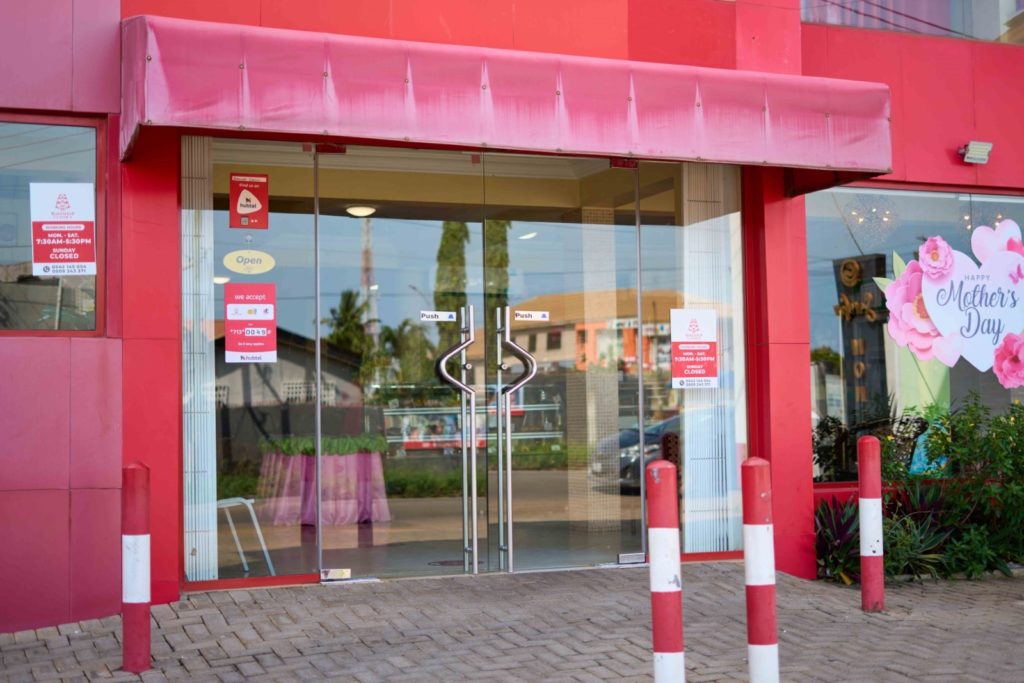
Currently, the bakery has two branches, one in La and the other in Spintex, with a staff of 75. Bakeshop Classics has always ensured they put the right measures in place to keep the business growing and to retain customers. “We have always had a sincere approach to business,” says Mr. Dan Asare. “As such, we ensure we use the finest baking ingredients for everything we sell here: pastries, bread, and cakes. Additionally, we make sure there are no leftovers, especially on the pastries side. Customers are always served freshly baked pastries.”
Steering the business for growth
“As a business, we make it a point to keep up with current trends. With this in mind, we set out with a new objective: a 360-degree digital transformation to meet customers at the point of their need. We started looking for avenues that could help us achieve our goal, and that’s when Hubtel came into the picture.”
The primary business goal that prompted Bakeshop Classics to shift to Hubtel was to ensure customers received the best service at every touchpoint. This included having minimal friction when making payments and meeting customer needs right at their doorstep.
To achieve this, they decided to integrate an online storefront with their physical storefront by signing onto Hubtel. This enabled them to deliver orders directly to customers wherever they were, offering flexibility to their customers and increasing sales for the bakery.
The bakery also adopted Hubtel’s Unique USSD to enable mobile money collections from all networks. With the Unique USSD, customers can make payments on any mobile device without the need for internet connectivity. This method of payment is simple for customers, and for the business, it allows tracking of sales with the dashboard provided. It also reduces the risk of losing money if a payment does not go through, which was a common issue when using the traditional method of collecting mobile money payments.
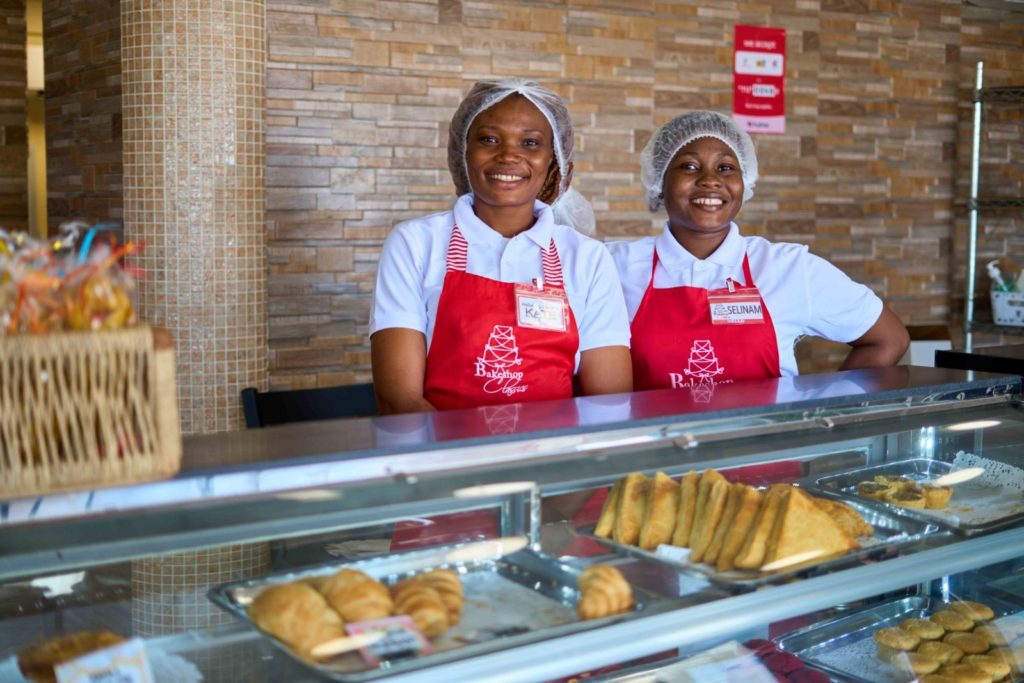
Leveraging Hubtel for growth
Using Hubtel to receive payments and signing onto the Hubtel app were not the only benefits Bakeshop Classics gained. The dashboard that accompanied the Unique USSD provided a solution to another challenge they faced: maintaining a comprehensive customer database.
“One major challenge we faced was capturing customer data. The dashboard that came with the Unique USSD to track payments automatically solved that problem. Now, with the database we have, we can leverage it for marketing purposes. We send SMS messages to customers for special occasions and promote ongoing promotions, among other uses.”
With Hubtel, Bakeshop Classics has been able to:
- Keep track of sales
- Drastically reduced friction when it comes to receiving payments
- Build months of data on autopilot, to help with marketing, planning, and forecasting
- Increase sales by signing onto the Hubtel app
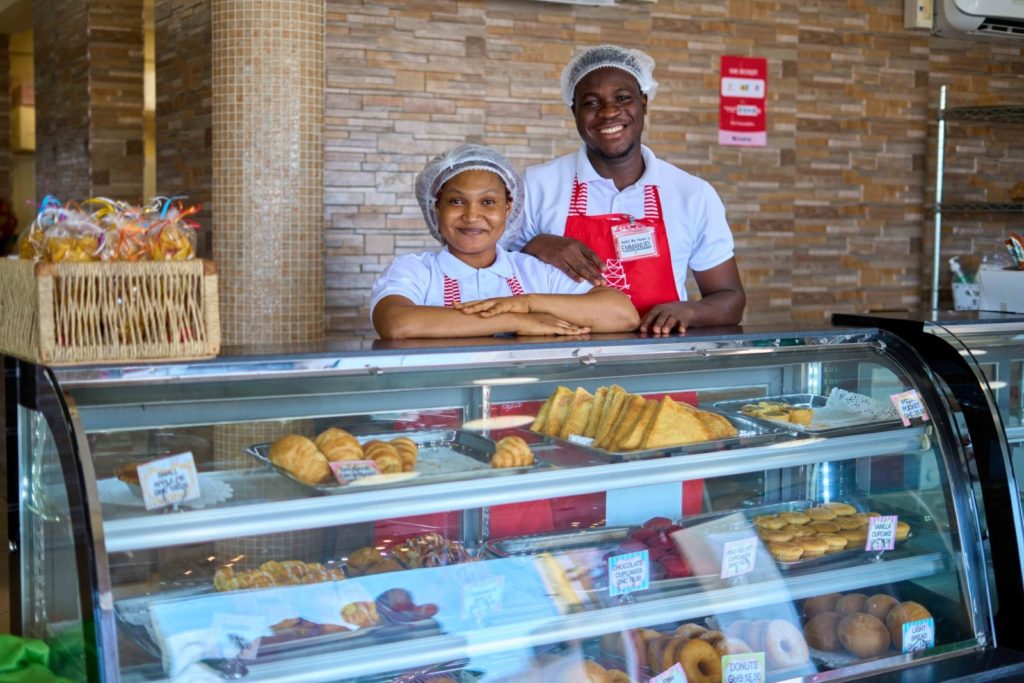
Pivoting a business can be challenging without the right tools and solutions. The team at Bakeshop Classics believes that with Hubtel, they are moving in the right direction. By meeting customers at their doorstep and making payments faster and more frictionless, they have enhanced their overall customer service delivery and maintained their mass appeal to a wide range of customers while strategically evolving their business to meet current trends.
Warning: Constant COLOR_SCHEME_BLUE already defined in /var/www/html/bloghubtel/wp-content/themes/bloghubtel/template-parts/content-mobile-app-banner.php on line 3
Warning: Constant COLOR_SCHEME_RED already defined in /var/www/html/bloghubtel/wp-content/themes/bloghubtel/template-parts/content-mobile-app-banner.php on line 4
Warning: Constant COLOR_SCHEME_LIGHT already defined in /var/www/html/bloghubtel/wp-content/themes/bloghubtel/template-parts/content-mobile-app-banner.php on line 5
Warning: Constant FACEBOOK_SHARE_URL already defined in /var/www/html/bloghubtel/wp-content/themes/bloghubtel/template-parts/content-mobile-app-banner.php on line 8
Warning: Constant LINKEDIN_SHARE_URL already defined in /var/www/html/bloghubtel/wp-content/themes/bloghubtel/template-parts/content-mobile-app-banner.php on line 9
Warning: Constant TWITTER_SHARE_URL already defined in /var/www/html/bloghubtel/wp-content/themes/bloghubtel/template-parts/content-mobile-app-banner.php on line 10
Warning: Constant WHATSAPP_SHARE_URL already defined in /var/www/html/bloghubtel/wp-content/themes/bloghubtel/template-parts/content-mobile-app-banner.php on line 11
Warning: Constant CUSTOM_ADS_CONTENT_WRAPPER already defined in /var/www/html/bloghubtel/wp-content/themes/bloghubtel/template-parts/content-mobile-app-banner.php on line 14
Warning: Constant IMAGE_WRAPPER_CLASSES already defined in /var/www/html/bloghubtel/wp-content/themes/bloghubtel/template-parts/content-mobile-app-banner.php on line 15
Warning: Constant APPLE_APP_STORE_URL already defined in /var/www/html/bloghubtel/wp-content/themes/bloghubtel/template-parts/content-mobile-app-banner.php on line 18
Warning: Constant GOOGLE_PLAY_STORE_URL already defined in /var/www/html/bloghubtel/wp-content/themes/bloghubtel/template-parts/content-mobile-app-banner.php on line 19
Warning: Constant HUAWEI_APP_GALLERY_URL already defined in /var/www/html/bloghubtel/wp-content/themes/bloghubtel/template-parts/content-mobile-app-banner.php on line 20
Related

Aura-Rich Consult and Technologies Elevates School Payments with Hubtel’s Receive & Send Money API
September 23, 2025| 4-minute read

Akwantuo Express Simplifies Student Travel Experience with Hubtel’s Direct Debit API
September 12, 2025| 4-minute read

How Rabito Clinic is Enhancing Payment Experience with Hubtel All-in-One POS
September 8, 2025| 4-minute read
Gen Z vs Millennials: What are they ordering?
We know Gen Z and Millennials are different. But how different are they when it comes to food? With a street survey of what both generations have been ordering, we sought to find the favorite foods of these two generations and what they enjoy eating the most for breakfast, lunch, and dinner. Before we dive into the blog post, any guesses on the favorite meals of these two generations?
Breakfast: What do we have on our plate?
Could waakye be the country’s official breakfast? Well, both generations seem to agree. It’s interesting to know that when it comes to breakfast, these two generations are not very distinct—they both enjoy a delicious bowl of Hajia’s waakye to start their day.

What’s for lunch?
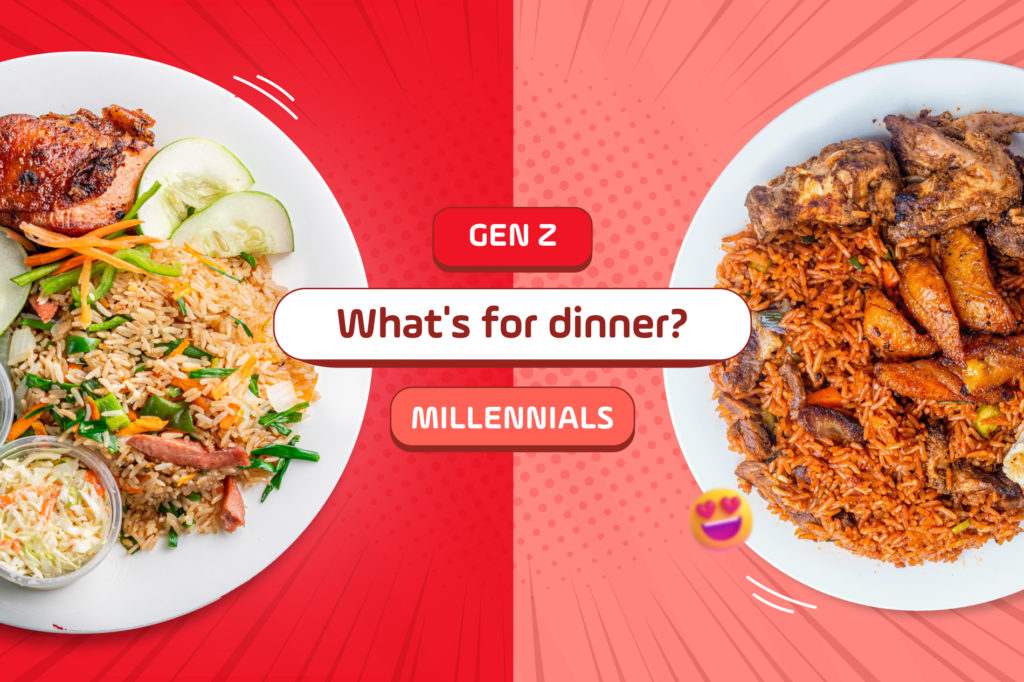
When it comes to lunch, both generations have a shared favorite—Jollof. It’s interesting to note that the two generations have similar meal choices for lunch. The top three lunch meals for both Gen Z and Millennials are jollof, fried rice, and waakye.

Dinner is served!
So far, dinner is where the two generations show different preferences. While most Gen Z will order fried rice for dinner, Millennials enjoy jollof for their evening meal.
Extra bites
From our data, we noticed some interesting patterns about these two generations. We observed that when it comes to selecting other meal options for lunch, many Millennials prefer Fufu over Gen Z. There is a higher number of Gen Z ordering Indomie for breakfast, lunch, and dinner, particularly lunch. Additionally, Millennials tend to order plain rice more often than Gen Z does.
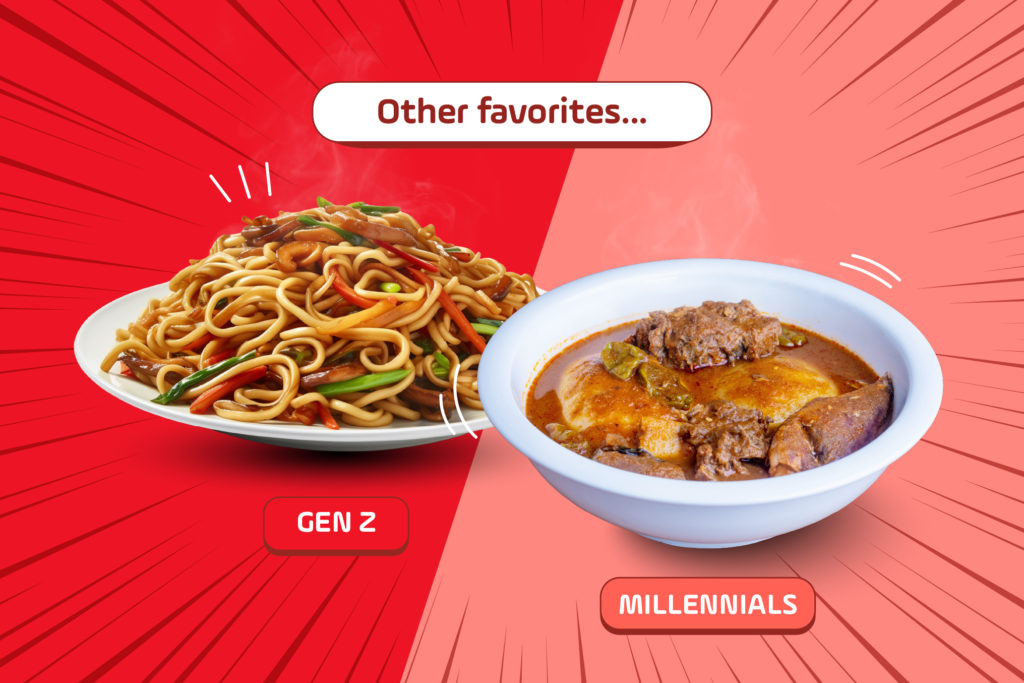
Nonetheless, a firm favorite among both generations is Jollof, which remained in the top two choices for food for breakfast, lunch, and dinner.
Hungry? Order your favorite food and get it delivered in no time. Tap here to download the Hubtel app.
Warning: Constant COLOR_SCHEME_BLUE already defined in /var/www/html/bloghubtel/wp-content/themes/bloghubtel/template-parts/content-mobile-app-banner.php on line 3
Warning: Constant COLOR_SCHEME_RED already defined in /var/www/html/bloghubtel/wp-content/themes/bloghubtel/template-parts/content-mobile-app-banner.php on line 4
Warning: Constant COLOR_SCHEME_LIGHT already defined in /var/www/html/bloghubtel/wp-content/themes/bloghubtel/template-parts/content-mobile-app-banner.php on line 5
Warning: Constant FACEBOOK_SHARE_URL already defined in /var/www/html/bloghubtel/wp-content/themes/bloghubtel/template-parts/content-mobile-app-banner.php on line 8
Warning: Constant LINKEDIN_SHARE_URL already defined in /var/www/html/bloghubtel/wp-content/themes/bloghubtel/template-parts/content-mobile-app-banner.php on line 9
Warning: Constant TWITTER_SHARE_URL already defined in /var/www/html/bloghubtel/wp-content/themes/bloghubtel/template-parts/content-mobile-app-banner.php on line 10
Warning: Constant WHATSAPP_SHARE_URL already defined in /var/www/html/bloghubtel/wp-content/themes/bloghubtel/template-parts/content-mobile-app-banner.php on line 11
Warning: Constant CUSTOM_ADS_CONTENT_WRAPPER already defined in /var/www/html/bloghubtel/wp-content/themes/bloghubtel/template-parts/content-mobile-app-banner.php on line 14
Warning: Constant IMAGE_WRAPPER_CLASSES already defined in /var/www/html/bloghubtel/wp-content/themes/bloghubtel/template-parts/content-mobile-app-banner.php on line 15
Warning: Constant APPLE_APP_STORE_URL already defined in /var/www/html/bloghubtel/wp-content/themes/bloghubtel/template-parts/content-mobile-app-banner.php on line 18
Warning: Constant GOOGLE_PLAY_STORE_URL already defined in /var/www/html/bloghubtel/wp-content/themes/bloghubtel/template-parts/content-mobile-app-banner.php on line 19
Warning: Constant HUAWEI_APP_GALLERY_URL already defined in /var/www/html/bloghubtel/wp-content/themes/bloghubtel/template-parts/content-mobile-app-banner.php on line 20
Related
Hubtel Settlement Times Explained: How Fast Your Payments Get to You
September 17, 2026| 8-minute read

The Best Easter Yet
March 28, 2024| 2-minute read

Our Favorite Joints for a Hearty Meal in Osu
March 3, 2024| 2-minute read
How Golden Crystal Experience Ensures Exceptional Customer Service with Hubtel POS
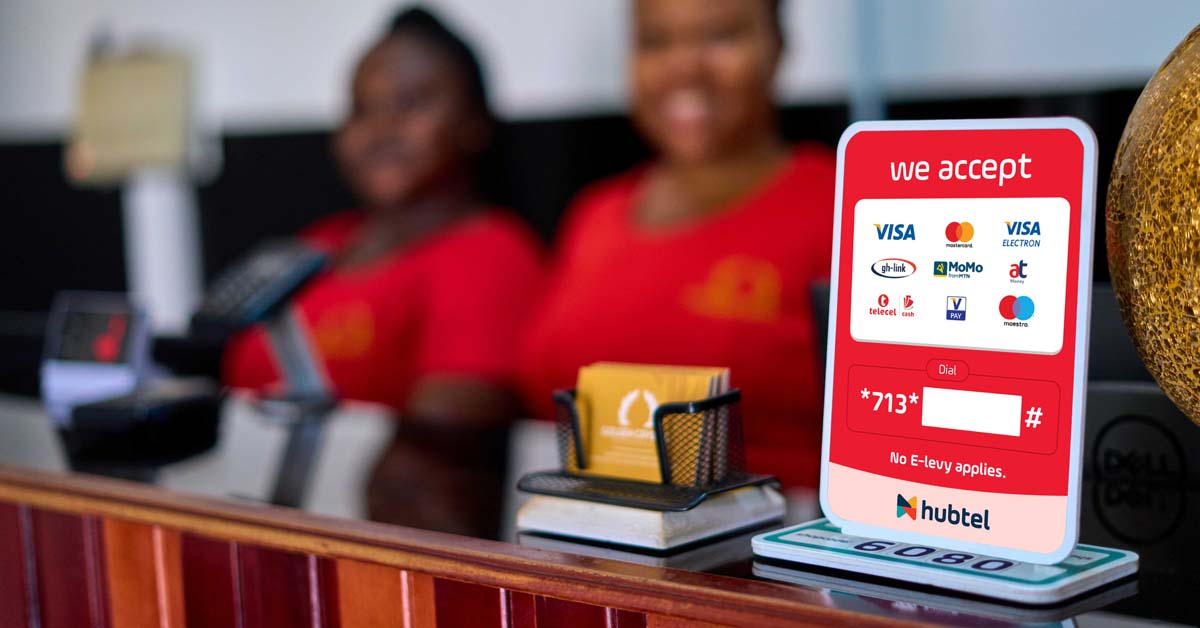
Golden Crystal Experience is a hotel located in Adiriganor, East Legon, offering a variety of accommodations for short-term stays. Clients can choose from standard hotel rooms, as well as studio, one-bedroom, and two-bedroom apartments. The Hotel is constantly being rated number one for customer service. However, despite its commitment to excellence, the hotel faced significant challenges with payment processing.
Challenge
Originally, Golden Crystal processed payments with handheld POS devices provided by its former service provider, which could not adequately meet their needs. “The challenge we encountered was that processing payments and the speed at which money was received were both slow,” says Mr. Ben Nortey, the CEO of Golden Crystal Experience. This issue of tied-up finances affected their cash flow because, in the hospitality industry, the timing of expenses and income needs to align to ensure smooth operations. He stated, “Previously, payments would take anywhere from one to two weeks or longer to be credited to our account. For a business such as a hotel, any delay has significant repercussions on operations.”
With this challenge, the hotel wanted a solution that would streamline its payment processing to keep its overall operations more efficient. That is when they turned to Hubtel.

Solution
With the switch to Hubtel’s POS, the hotel processed payments three times faster than before, and the turnaround time for payments to reflect in their account significantly reduced. “Hubtel came into the picture and provided us with the freedom to receive a variety of payments much faster,” Mr. Nortey says. “While not instant, payments settle within an hour, which for us, is a massive improvement compared to the two to three weeks we previously had to wait for payments to reflect in our account.”
In the hospitality industry, the time value of money is a critical factor. “The significance and value of the hourly reimbursement by Hubtel for us is substantial,” he added. “We don’t have the luxury of readily available finances, so being able to access our money quickly and use it without delays is amazing.”
Secondly, the customer service provided by Hubtel is what keeps the relationship. “I have witnessed Hubtel’s growth over the years, and through it all, they never lost their personal touch. Whenever we had an issue, someone was readily available to assist,’ Nortey added. “Despite their immense growth, we haven’t encountered any issue that took Hubtel more than an hour or two to fix.”
Another benefit for Golden Crystal is the commission price charged. “Previously, amidst the delay with reimbursement, our service provider charged a higher commission. Switching to Hubtel not only grants us faster access to our money but also proves to be more affordable,” he added.
Results
Considering what makes a business in the hospitality industry thrive—excellent customer service—Golden Crystal has always been mindful of elevating their clients’ overall experience. From the reception to the restaurant and gym, all touchpoints, including the flexibility of payment, whether by cash, card, or mobile money, must operate smoothly throughout a client’s stay to enrich the entire experience.
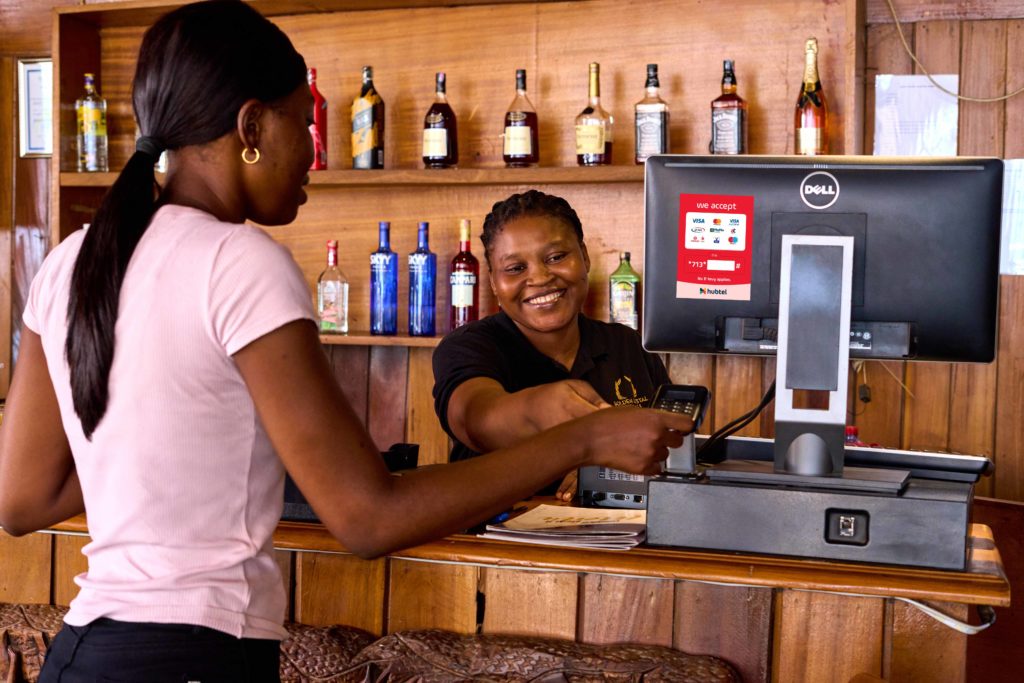
With Hubtel’s POS, Golden Crystal Experience efficiently processes a variety of payment methods. Additionally, the POS integrates seamlessly with Golden Crystal’s existing operations. The web management dashboard allows for real-time tracking of transactions and inventory management. This level of efficiency not only enhances the guest experience but also optimizes the hotel’s operations, contributing to its overall success in the competitive hospitality industry.
“Hubtel has always been personable and made us feel important. So even if another company could process payments faster, we would still choose Hubtel because of that personal element.” He further stated, “I don’t know how Hubtel manages to offer such speed of service, excellent customer support, and affordability, but they do it somehow, someway, and it’s superb.”
Warning: Constant COLOR_SCHEME_BLUE already defined in /var/www/html/bloghubtel/wp-content/themes/bloghubtel/template-parts/content-mobile-app-banner.php on line 3
Warning: Constant COLOR_SCHEME_RED already defined in /var/www/html/bloghubtel/wp-content/themes/bloghubtel/template-parts/content-mobile-app-banner.php on line 4
Warning: Constant COLOR_SCHEME_LIGHT already defined in /var/www/html/bloghubtel/wp-content/themes/bloghubtel/template-parts/content-mobile-app-banner.php on line 5
Warning: Constant FACEBOOK_SHARE_URL already defined in /var/www/html/bloghubtel/wp-content/themes/bloghubtel/template-parts/content-mobile-app-banner.php on line 8
Warning: Constant LINKEDIN_SHARE_URL already defined in /var/www/html/bloghubtel/wp-content/themes/bloghubtel/template-parts/content-mobile-app-banner.php on line 9
Warning: Constant TWITTER_SHARE_URL already defined in /var/www/html/bloghubtel/wp-content/themes/bloghubtel/template-parts/content-mobile-app-banner.php on line 10
Warning: Constant WHATSAPP_SHARE_URL already defined in /var/www/html/bloghubtel/wp-content/themes/bloghubtel/template-parts/content-mobile-app-banner.php on line 11
Warning: Constant CUSTOM_ADS_CONTENT_WRAPPER already defined in /var/www/html/bloghubtel/wp-content/themes/bloghubtel/template-parts/content-mobile-app-banner.php on line 14
Warning: Constant IMAGE_WRAPPER_CLASSES already defined in /var/www/html/bloghubtel/wp-content/themes/bloghubtel/template-parts/content-mobile-app-banner.php on line 15
Warning: Constant APPLE_APP_STORE_URL already defined in /var/www/html/bloghubtel/wp-content/themes/bloghubtel/template-parts/content-mobile-app-banner.php on line 18
Warning: Constant GOOGLE_PLAY_STORE_URL already defined in /var/www/html/bloghubtel/wp-content/themes/bloghubtel/template-parts/content-mobile-app-banner.php on line 19
Warning: Constant HUAWEI_APP_GALLERY_URL already defined in /var/www/html/bloghubtel/wp-content/themes/bloghubtel/template-parts/content-mobile-app-banner.php on line 20
Related
Aura-Rich Consult and Technologies Elevates School Payments with Hubtel’s Receive & Send Money API
September 23, 2025| 4-minute read
Akwantuo Express Simplifies Student Travel Experience with Hubtel’s Direct Debit API
September 12, 2025| 4-minute read
How Rabito Clinic is Enhancing Payment Experience with Hubtel All-in-One POS
September 8, 2025| 4-minute read
Hubtel Ranked Ghana’s Fastest Growing Company for 2022
Hubtel, Ghana’s leading payment services provider, has been ranked as the Fastest Growing Company in Ghana for the 2022 financial year in the latest Financial Times’ Africa’s Fastest Growing Companies ranking.
The list, published by the UK-based newspaper recognizes businesses across the African continent that are achieving remarkable revenue growth.
The FT ranking evaluated several companies based on their compound annual growth rate (CAGR) in revenues between 2019 and 2022. Hubtel’s impressive revenue growth performance during the 2022 financial year positioned it among the top companies on the continent.
As the growing demand for payment services continues to heat up, the intersection of e-commerce and fintech is also driving Africa’s economic growth. This is evident in the number of fintechs named among the list of companies on the rankings.
Hubtel was ranked 30th out of 125 companies in Africa, and follows on heels the achievements IT Consortium, another Ghanaian payment service provider that was ranked 17th in the rankings for the 2020 financial year. Other Ghanaian companies that made the list for the 2022 financial year are KudiGo and Zen Petroleum. In the rankings for the 2021 financial year, Enterprise Insurance and Zen Petroleum were also listed.
According to the newspaper, “Economic growth in Africa, overall, in 2023 was 3.2%, according to the IMF – lower than in Asia, which grew at nearly 5%. And, given the African continent’s fast population expansion, this underperformance is even starker in per capita terms. Rather than closing the gap with wealthier regions, on aggregate, Africa is falling further behind.”
Despite the harsh economic challenges the continent is experiencing, its companies continue to thrive and attract investments. South Africa has the most number of companies listed in the rankings with Nigeria also dominating. Companies from Morocco, Mauritius, Kenya, and Egypt also featured strongly.
Hubtel’s history of being recognized in such continental rankings dates back to 2012 when Forbes Africa Magazine listed the company, then operating as SMSGH, among the Top 20 Technology Start-Ups in Africa.
Warning: Constant COLOR_SCHEME_BLUE already defined in /var/www/html/bloghubtel/wp-content/themes/bloghubtel/template-parts/content-mobile-app-banner.php on line 3
Warning: Constant COLOR_SCHEME_RED already defined in /var/www/html/bloghubtel/wp-content/themes/bloghubtel/template-parts/content-mobile-app-banner.php on line 4
Warning: Constant COLOR_SCHEME_LIGHT already defined in /var/www/html/bloghubtel/wp-content/themes/bloghubtel/template-parts/content-mobile-app-banner.php on line 5
Warning: Constant FACEBOOK_SHARE_URL already defined in /var/www/html/bloghubtel/wp-content/themes/bloghubtel/template-parts/content-mobile-app-banner.php on line 8
Warning: Constant LINKEDIN_SHARE_URL already defined in /var/www/html/bloghubtel/wp-content/themes/bloghubtel/template-parts/content-mobile-app-banner.php on line 9
Warning: Constant TWITTER_SHARE_URL already defined in /var/www/html/bloghubtel/wp-content/themes/bloghubtel/template-parts/content-mobile-app-banner.php on line 10
Warning: Constant WHATSAPP_SHARE_URL already defined in /var/www/html/bloghubtel/wp-content/themes/bloghubtel/template-parts/content-mobile-app-banner.php on line 11
Warning: Constant CUSTOM_ADS_CONTENT_WRAPPER already defined in /var/www/html/bloghubtel/wp-content/themes/bloghubtel/template-parts/content-mobile-app-banner.php on line 14
Warning: Constant IMAGE_WRAPPER_CLASSES already defined in /var/www/html/bloghubtel/wp-content/themes/bloghubtel/template-parts/content-mobile-app-banner.php on line 15
Warning: Constant APPLE_APP_STORE_URL already defined in /var/www/html/bloghubtel/wp-content/themes/bloghubtel/template-parts/content-mobile-app-banner.php on line 18
Warning: Constant GOOGLE_PLAY_STORE_URL already defined in /var/www/html/bloghubtel/wp-content/themes/bloghubtel/template-parts/content-mobile-app-banner.php on line 19
Warning: Constant HUAWEI_APP_GALLERY_URL already defined in /var/www/html/bloghubtel/wp-content/themes/bloghubtel/template-parts/content-mobile-app-banner.php on line 20
Related

Hubtel Hosts Leaders of Dubai Chambers Ahead of New Horizon Investment Forum
May 15, 2026| 3-minute read

Hubtel Hosts Leaders of the UK Department for Business and Trade
April 10, 2026| 3-minute read
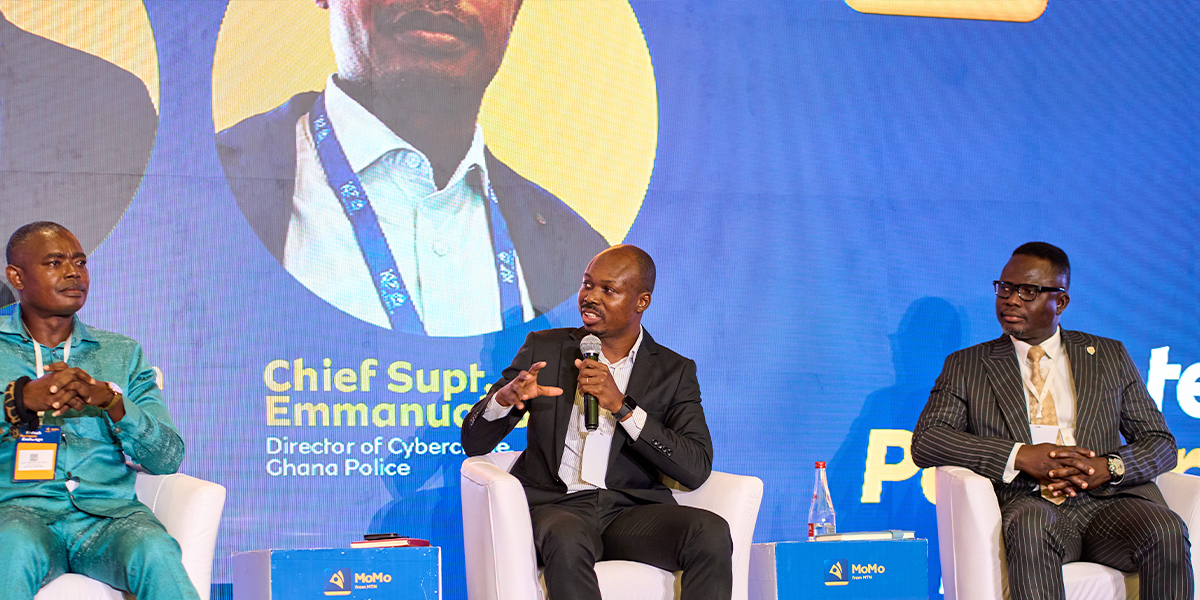
Hubtel Joins MTN to Combat Fraud Via Fintech Partner Exchange
April 9, 2026| 5-minute read
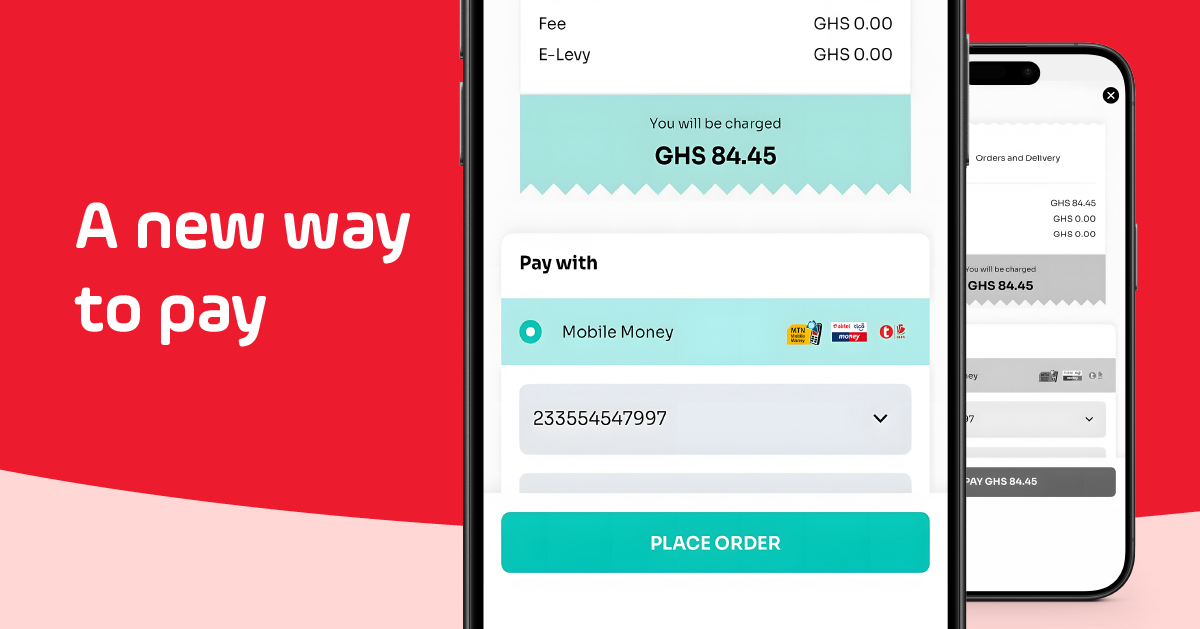
A new way to pay
Great news! There’s a new way to pay on the Hubtel app.
It’s simple! Now, when you place an order, we only charge you once we’ve confirmed that your order is available and ready for delivery. This means you won’t be charged until we confirm your order.
Previously, order confirmation required upfront payment, with reimbursements issued when an item is unavailable. For a smoother experience, we now confirm the availability of your order with the restaurant before charging your account.
How does it work?
- Open the Hubtel app.
- Tap on ‘Food’ or ‘Everyday Essentials’ and select the meal or items you want to be delivered.
- Add to your order and confirm.
- Select your delivery time.
- Confirm delivery.
- Tap on “Mobile Money” and select your preferred mobile wallet
- Tap on “Place Order”
After tapping on ‘Place Order,’ your order will be confirmed with the retailer or restaurant to ensure food or item availability. Once confirmation is done, your account will be debited.
It’s important to note that this feature is currently only available on the Hubtel mobile app and supported only through MTN Mobile Money and Telecel Cash.
Whether you’re at home, at work, or out and about, order your everyday essentials and favorite meals and have them delivered in no time. Download the Hubtel app and enjoy a new level of convenience.
Warning: Constant COLOR_SCHEME_BLUE already defined in /var/www/html/bloghubtel/wp-content/themes/bloghubtel/template-parts/content-mobile-app-banner.php on line 3
Warning: Constant COLOR_SCHEME_RED already defined in /var/www/html/bloghubtel/wp-content/themes/bloghubtel/template-parts/content-mobile-app-banner.php on line 4
Warning: Constant COLOR_SCHEME_LIGHT already defined in /var/www/html/bloghubtel/wp-content/themes/bloghubtel/template-parts/content-mobile-app-banner.php on line 5
Warning: Constant FACEBOOK_SHARE_URL already defined in /var/www/html/bloghubtel/wp-content/themes/bloghubtel/template-parts/content-mobile-app-banner.php on line 8
Warning: Constant LINKEDIN_SHARE_URL already defined in /var/www/html/bloghubtel/wp-content/themes/bloghubtel/template-parts/content-mobile-app-banner.php on line 9
Warning: Constant TWITTER_SHARE_URL already defined in /var/www/html/bloghubtel/wp-content/themes/bloghubtel/template-parts/content-mobile-app-banner.php on line 10
Warning: Constant WHATSAPP_SHARE_URL already defined in /var/www/html/bloghubtel/wp-content/themes/bloghubtel/template-parts/content-mobile-app-banner.php on line 11
Warning: Constant CUSTOM_ADS_CONTENT_WRAPPER already defined in /var/www/html/bloghubtel/wp-content/themes/bloghubtel/template-parts/content-mobile-app-banner.php on line 14
Warning: Constant IMAGE_WRAPPER_CLASSES already defined in /var/www/html/bloghubtel/wp-content/themes/bloghubtel/template-parts/content-mobile-app-banner.php on line 15
Warning: Constant APPLE_APP_STORE_URL already defined in /var/www/html/bloghubtel/wp-content/themes/bloghubtel/template-parts/content-mobile-app-banner.php on line 18
Warning: Constant GOOGLE_PLAY_STORE_URL already defined in /var/www/html/bloghubtel/wp-content/themes/bloghubtel/template-parts/content-mobile-app-banner.php on line 19
Warning: Constant HUAWEI_APP_GALLERY_URL already defined in /var/www/html/bloghubtel/wp-content/themes/bloghubtel/template-parts/content-mobile-app-banner.php on line 20
Related
Your Laundry Customers Will Pay. They Just Need a System That Asks
May 28, 2026| 2-minute read
Clearer Account Names on Your Money Page
April 23, 2026| 2-minute read
Upcoming Changes: Do More in One Place
April 23, 2026| 2-minute read