
Author: Gifty Sarpong
Hubtel Hosts Leaders of Dubai Chambers Ahead of New Horizon Investment Forum
May 15, 2026 | 3 minutes read
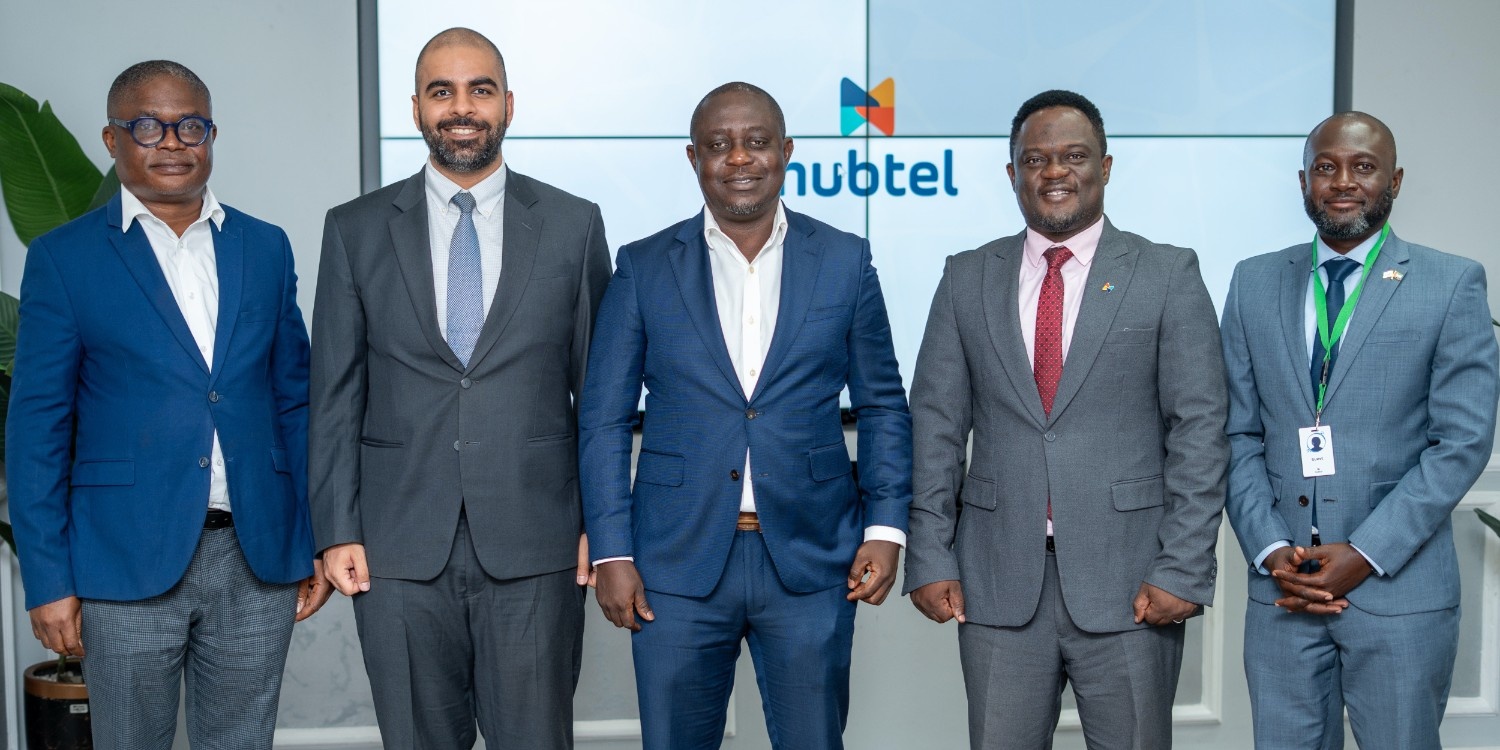
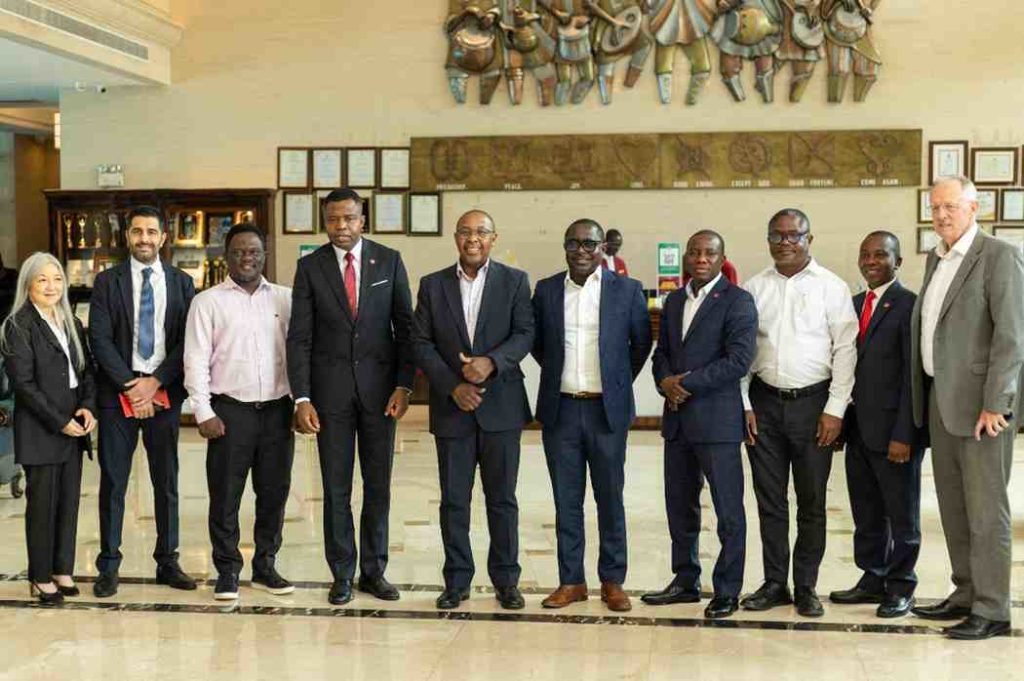
On Thursday, May 14, senior leadership from Dubai Chambers visited our head office in Kokomlemle for a strategic conversation about Ghana’s investment climate and what deeper collaboration between the two could look like.
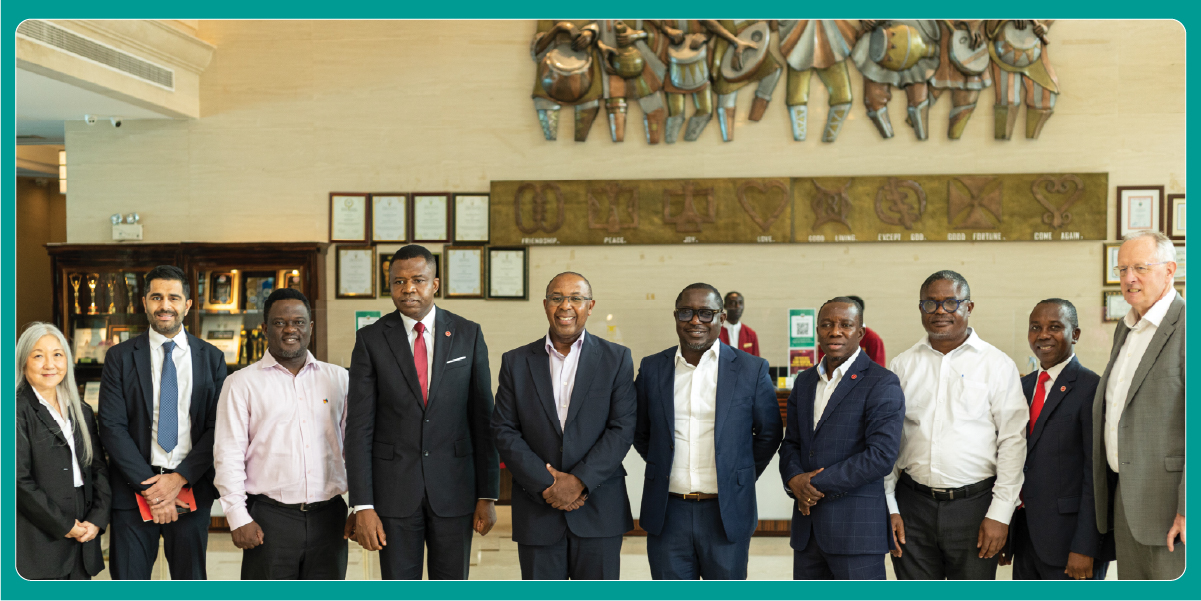
The delegation was led by Salem Al Sahmsi, Executive Vice President; Mohammed Al Attar, Director for Africa; and Cyril Darkwa, Chief Representative for Ghana and West Africa.
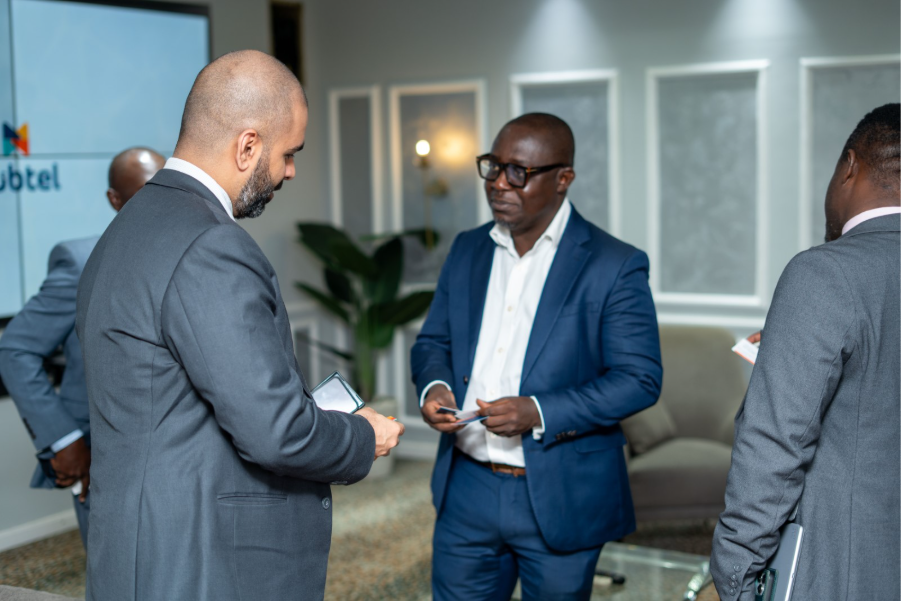
The discussion covered Dubai Chambers‘ mandate in depth, including supporting businesses in expanding across borders, connecting them to the right partners and networks, and facilitating introductions between established and emerging players across the continent. It also opened a direct line into one of the world’s most influential business and trade ecosystems.
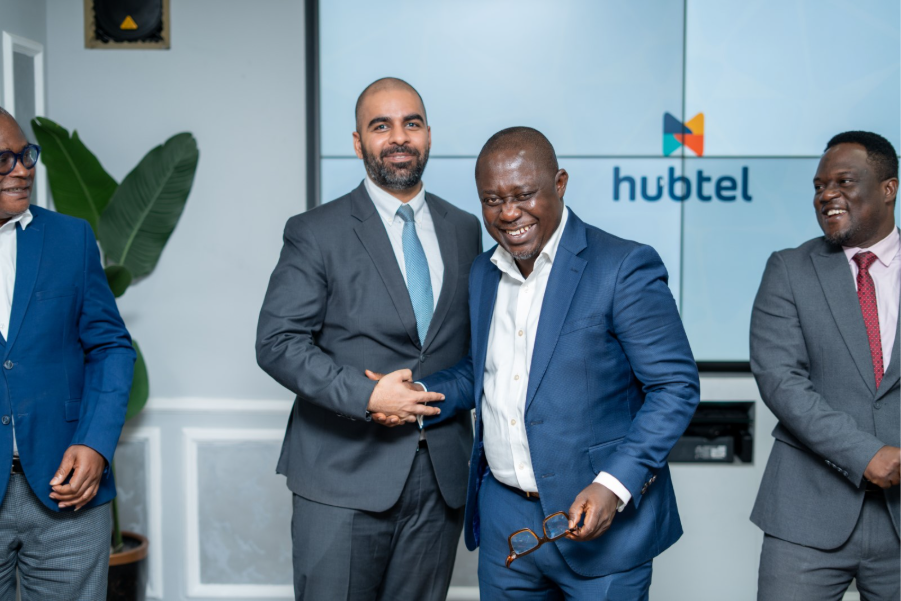
The meeting also opened space for longer-horizon conversations, including the prospect of Hubtel establishing a presence in Dubai and what that market entry could mean for regional and global ambitions. Both sides also discussed possible pathways to channel strategic Gulf investment into Ghana’s priority sectors, a conversation that goes well beyond introductions.
READ ALSO: Hubtel Hosts Leaders of the UK Department for Business and Trade
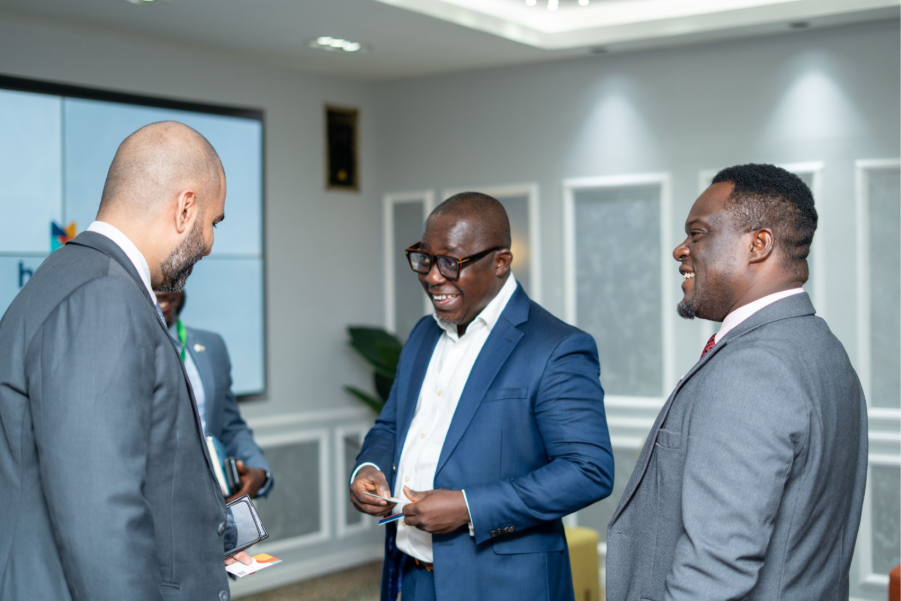
Hubtel’s General Manager, Mr. Ernest Kwesi Apenteng described the discussions as grounded and forward-looking.
“We explored several areas where collaboration could be genuinely beneficial, from market entry support to the networks Dubai Chambers brings to the table. The conversation was forward-looking, and there is clear appetite on both sides to take things further.”
He added that “when the right opportunity presents itself, you want to already have your house in order. And these conversations are part of that process.”

Mr. Mohammed Al Attar, Director for Africa at Dubai Chambers, was equally direct.
“Our presence here ahead of New Horizon is deliberate. Ghana is increasingly on the radar of serious investors from the Gulf, and engagements like this one with Hubtel are exactly the kind of relationship-building that turns investor interest into real, on-the-ground action.”
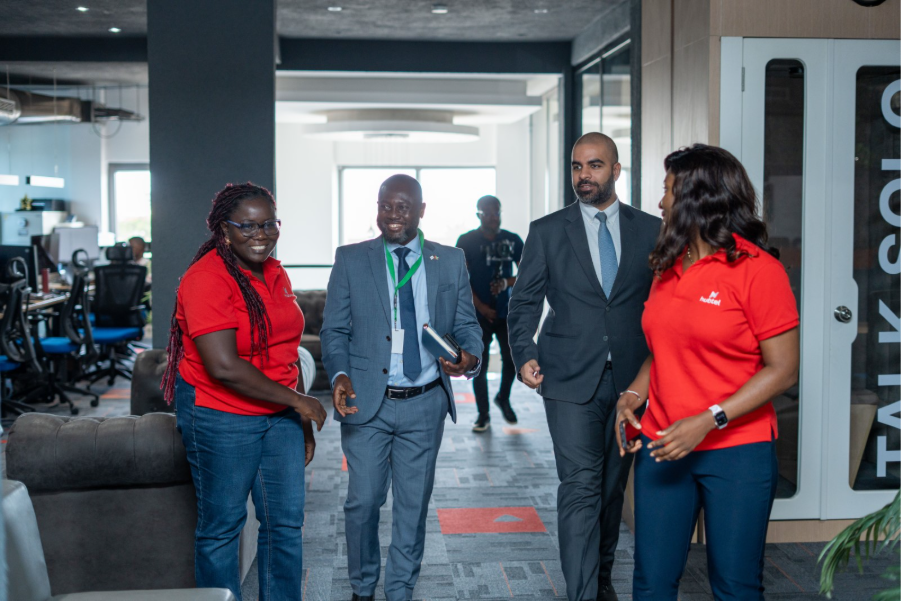
This visit is part of a series of consultations Dubai Chambers is holding with key stakeholders in the lead-up to the New Horizon investment forum, being organised in collaboration with the Ghana Investment Promotion Centre (GIPC), the Ministry of Trade, and the Ghana National Chamber of Commerce and Industry (GNCCI).
About Hubtel
Founded in Ghana in 2005, Hubtel has spent two decades redefining what’s possible in digital services with an amazing start-up journey. As a licensed Payment Service Provider (Enhanced) of the Bank of Ghana, Hubtel is today the largest and fastest-growing payment service provider in Ghana, and one of the most successful fintechs on the African continent, processing over 5.5 million transactions every single day. Hubtel currently operates 12 offices nationwide across 11 cities with over 600 employees.






Related

Hubtel Hosts Leaders of the UK Department for Business and Trade
April 10, 2026| 3 minutes read
Hubtel Joins MTN to Combat Fraud Via Fintech Partner Exchange
April 9, 2026| 5 minutes read
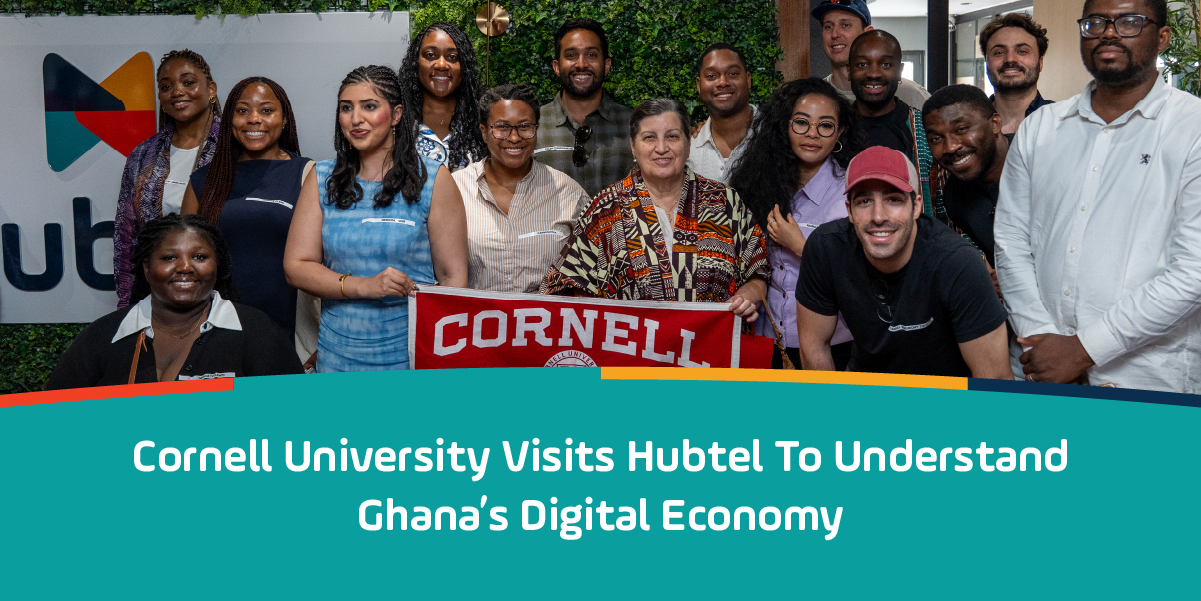
Cornell University Visits Hubtel To Understand Ghana’s Digital Economy
April 8, 2026| 3 minutes read
Absa Group CEO Engages Hubtel Leadership on Financial Innovation and Collaboration
April 28, 2026 | 2 minutes read
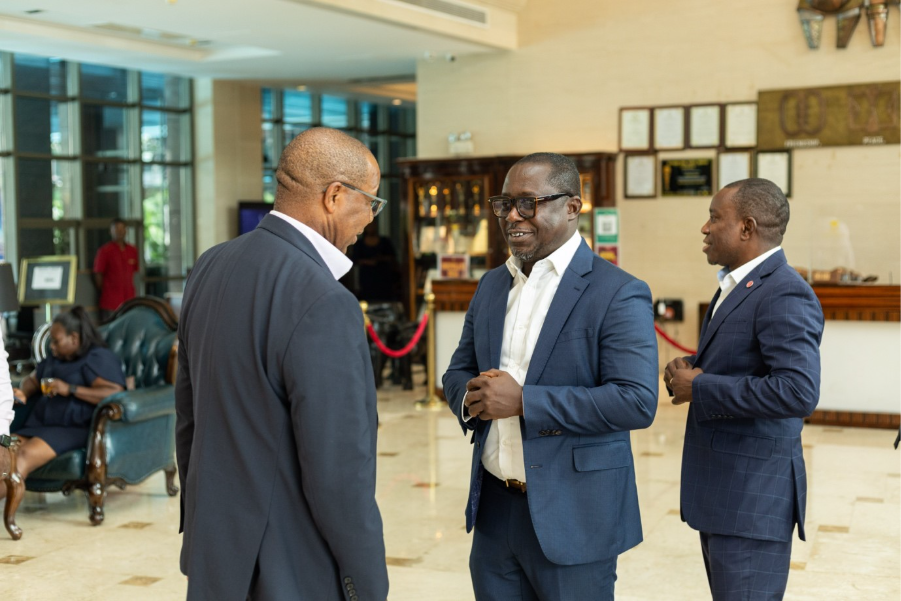
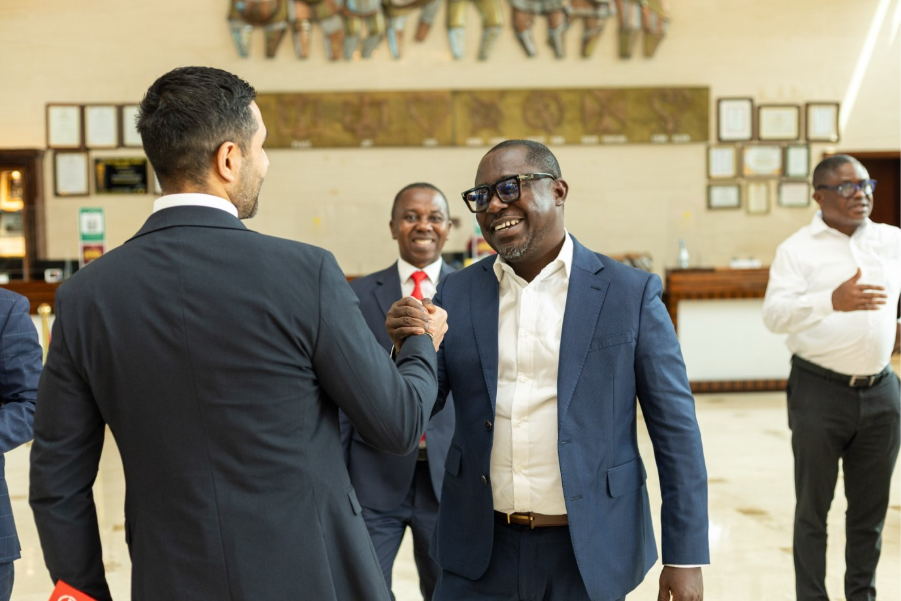
Group CEO of Absa, Mr. Kenny Fihla met with General Manager, Ernest Apenteng along with the leadership teams of both companies over a lunch meeting as part of his official visit to Ghana.
The meeting focused on shared opportunities and how both companies can strengthen the long-standing collaboration between Absa and Hubtel.
Advancing the Credit Economy
Discussions covered activity in the credit space, including digital credit and Buy Now, Pay Later services. Hubtel shared insights from a live pilot granting transactional loans to users on selected apps, which is seeing strong adoption and growth. Opportunities to deepen collaboration in the credit space were also explored, building on the work of an existing joint technical committee.
Unlocking SME Financing Opportunities
Both organisations acknowledge that access to credit for small and medium‑sized enterprises (SMEs) remains a largely untapped opportunity, and strong alignment on the need to develop innovative solutions to address this gap and support inclusive economic growth.

Accelerating Partnerships and Strategic Alignment
Mr. Kenny Fihla proposed expanding the joint technical engagement to enable faster execution and broader impact. There was also discussion on establishing a regular platform to review strategy, innovation, and partnership opportunities across payments, credit, and digital finance.
Impact in Revenue Mobilisation
Hubtel’s work with the Accra Metropolitan Assembly (AMA) was also cited in the context of public sector revenue collection. Since the initiative began in late 2024, collections have grown year-on-year setting new record revenue collections for the AMA each year. Revenue collection for AMA has grown by over 550% since the new system was deployed fully from January 2025 to December 2025.
Absa offered support to collaborate with Hubtel to expand similar services to other assemblies and local authorities across the country.
READ ALSO: Hubtel Hosts Leaders of the UK Department for Business and Trade
Ghana’s fintech ecosystem continues to evolve across payments, credit, and digital finance as collaboration between bank, mobile money providers and payment service providers deepens.
Both the leadership from Absa and Hubtel resolved to press forward with plans to work even more stronger together through technical collaborations to expand their payments infrastructure, support customers in accessing digital services and ultimately grow transaction volumes.
Related
Hubtel Hosts Leaders of the UK Department for Business and Trade
April 10, 2026| 3 minutes read
When Communication Became Money: Revisiting Hubtel’s Pivot into Payments
March 26, 2026| 5 minutes read

Hubtel Empowers Next Generation Through AI Education Partnership with Brainwave AfricaTech
March 3, 2026| 5 minutes read
Hubtel Hosts Leaders of the UK Department for Business and Trade
April 10, 2026 | 3 minutes read
Ghana has moved from the margins of the global digital economy conversation to the centre of it. And the world is starting to show up to prove it.
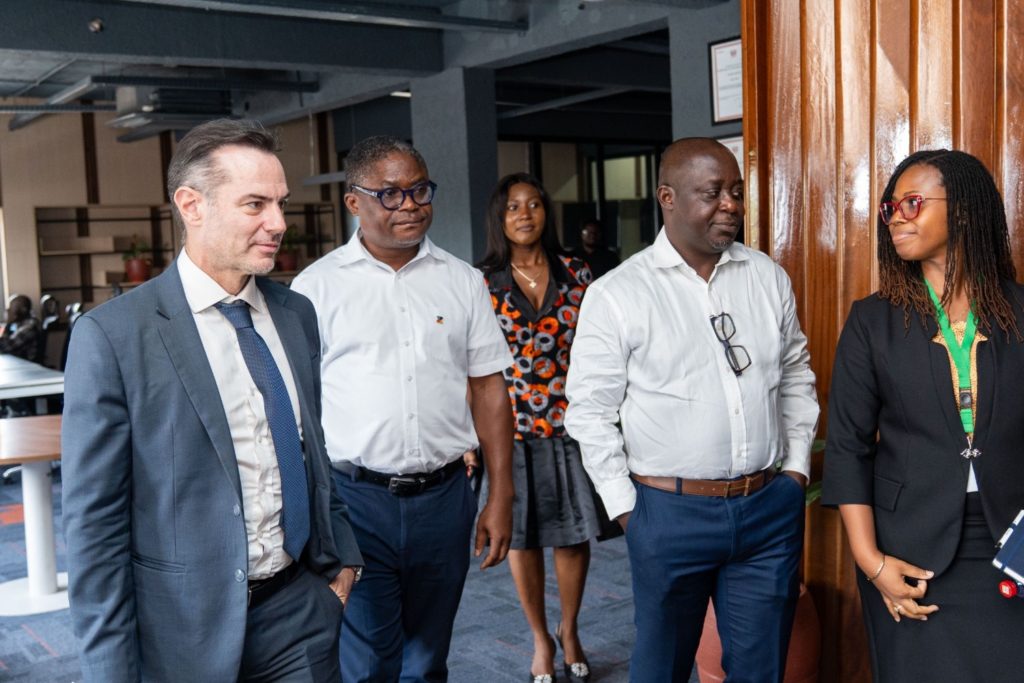
The UK Department for Business and Trade visited Hubtel for a high-level strategic engagement. Leading the delegation were Mark Smithson, Regional Director for Anglophone West Africa, and Jo Ann Sackey, Country Director.
The conversation centred on Ghana’s digital economy, fintech innovation, and what deeper UK-Ghana collaboration could look like from here.
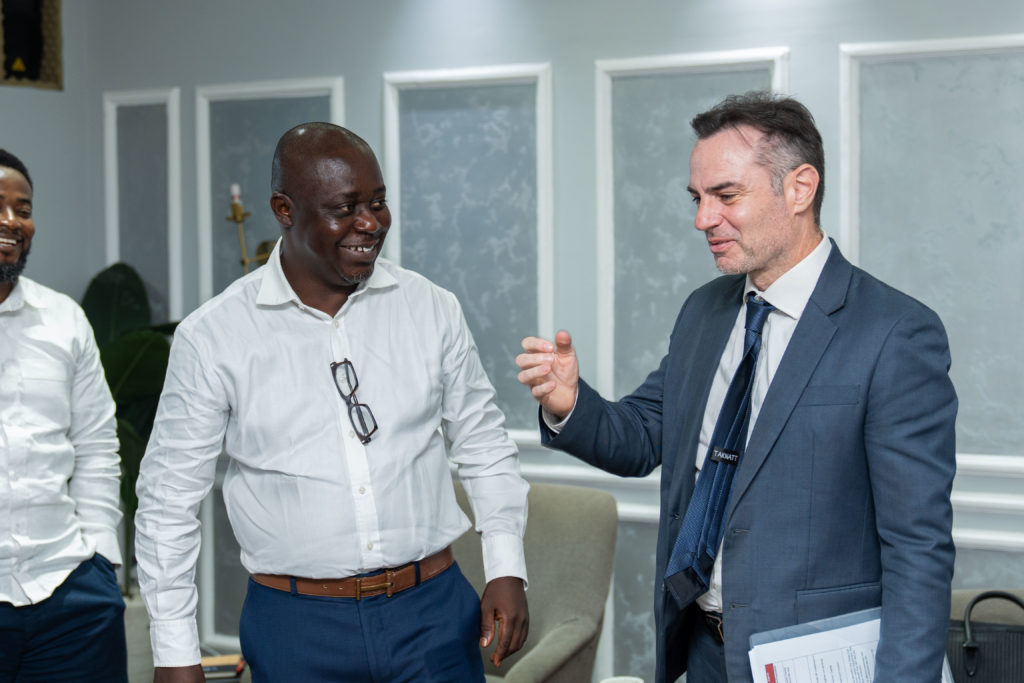
The discussion covered the Department for Business and Trade’s mandate in depth, from supporting businesses looking to grow across borders, to connecting companies with in-market partners and networks, to facilitating introductions between established players and emerging ones across the continent.
The engagement also opened space for longer-horizon conversations, including Hubtel’s expansion strategy and what potential capital market opportunities could signal to global investors about the strength and maturity of African homegrown technology.
Jonathan Ansah, Chief Financial Officer of Hubtel, who was present at the meeting, noted that the discussions were as practical as they were strategic.
“We explored several areas where collaboration could be beneficial, from market entry support to the networks the Department for Business and Trade brings to the table. The conversation was forward-looking.”

He added that the visit reinforced something broader. “The way we see it, when the right opportunity presents itself, you want to already have your house in order. And these conversations are part of that process.”
Mr. Smithson, reflecting on Ghana’s position in the regional picture, said;
“Our interest in Ghana’s digital economy reflects a strong belief that the country is emerging as one of Africa’s most dynamic hubs for fintech and digital trade.”
He added that “The UK has become a natural springboard for African fintech founders, offering advanced financial systems, strong regulation, and deep capital markets.
We see real potential in partnerships that combine Ghana’s technological strength with the UK’s global reach, enabling companies to scale internationally and accelerate investment flows.”

The question is no longer whether African fintech belongs in the global conversation. It is how quickly the right partnerships can turn that conversation into action.
READ ALSO: Cornell University Visits Hubtel To Understand Ghana’s Digital Economy
This was not just a courtesy call, but also a signal that the conversations shaping the future of digital trade in West Africa are happening here, and Ghana-based companies are increasingly part of them.
About Hubtel
Hubtel is a Ghanaian technology company licensed by the Bank of Ghana as an Enhanced Payment Service Provider. The company enables businesses of all sizes to accept payments (mobile money, cards, and QR), manage transactions, and connect with customers through messaging and commerce.
Individuals can also use the Hubtel App to pay bills, order goods, send money, and more.
Hubtel currently operates 12 offices nationwide and has over 600 employees across the country. Founded in 2005, its mission is to drive Africa forward by enabling everyone to find and pay for everyday essentials, building a platform that helps every person and business take part in the digital economy.
Related
Hubtel Hosts Leaders of Dubai Chambers Ahead of New Horizon Investment Forum
May 15, 2026| 3 minutes read
Absa Group CEO Engages Hubtel Leadership on Financial Innovation and Collaboration
April 28, 2026| 2 minutes read
Hubtel Joins MTN to Combat Fraud Via Fintech Partner Exchange
April 9, 2026| 5 minutes read
For many Ghanaians, mobile money has quietly replaced the traditional bank. Sending money across regions, paying for services, and running daily transactions now happens in seconds, without stepping into a banking hall.
That convenience has reshaped how people live and work. At the same time, it has introduced a reality that the ecosystem can no longer treat in isolation: fraud in digital payments.
Operating within Ghana’s fast-evolving payments landscape means engaging with fraud not as a distant risk, but as a live, cross-system challenge that follows the flow of transactions rather than staying within the boundaries of any single platform.
Fraud is no longer contained within individual systems. As interoperability deepens across platforms, fraudulent activity increasingly moves along the same pathways as legitimate transactions, exploiting gaps between institutions rather than weaknesses within one.
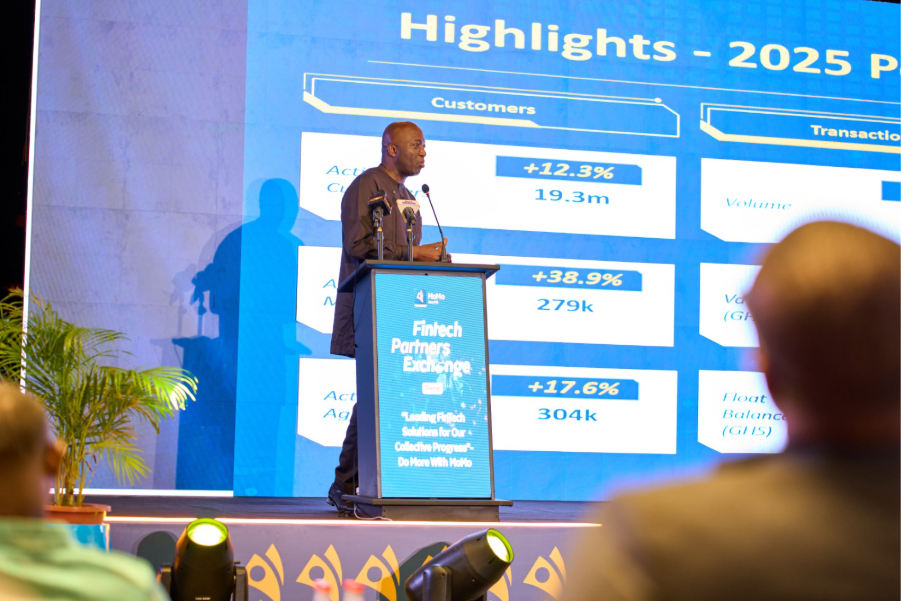
In such an environment, visibility becomes fragmented. No single institution has full end-to-end oversight across the entire transaction chain, yet each remains responsible for ensuring secure and reliable processing within its own domain. This creates a structural challenge that cannot be solved in isolation.
A significant portion of fraud does not originate within payment platforms themselves. In many cases, it begins outside the system through social engineering, user manipulation, or compromised credentials.
By the time a transaction is initiated, the system is often processing inputs that appear valid, even though the user behind them has already been influenced.
READ ALSO: Hubtel Awarded Overall Best Fintech Partner at the MobileMoney Fintech Stakeholder Dinner & Awards
This distinction is critical. Fraud detection is not only about identifying technical anomalies within a platform, but also about recognizing behavioral signals that suggest compromised intent.
Without coordinated intelligence across institutions, identifying these patterns early enough becomes significantly more difficult.
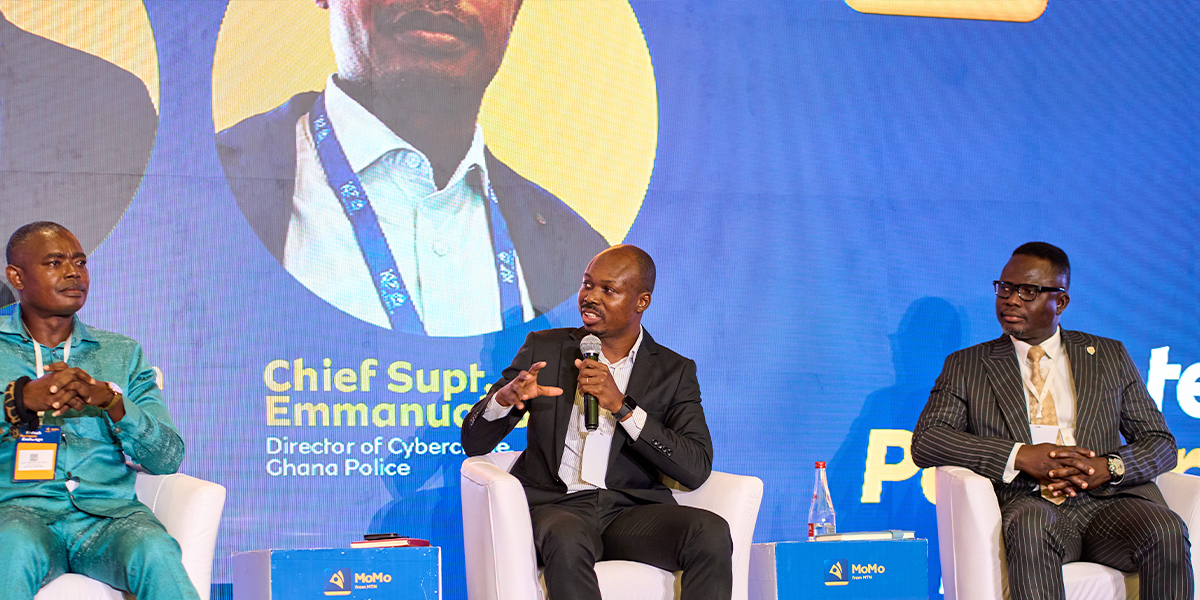
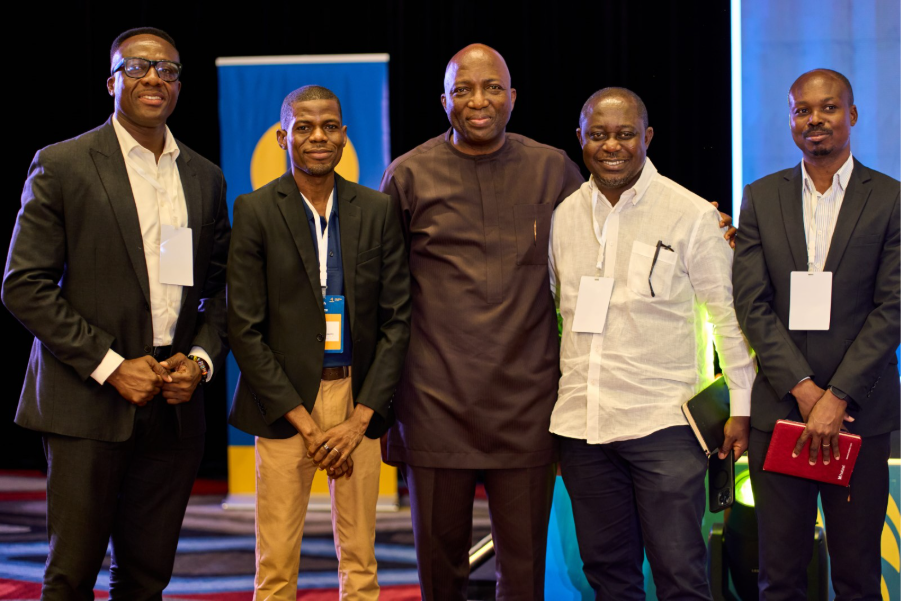
These perspectives were reinforced during the Fintech Partner Exchange on Fraud and Collective Action hosted by MobileMoney Limited on April 2, 2026. The dialogue brought together stakeholders across the payments ecosystem to examine how collaboration can strengthen collective defenses against fraud.
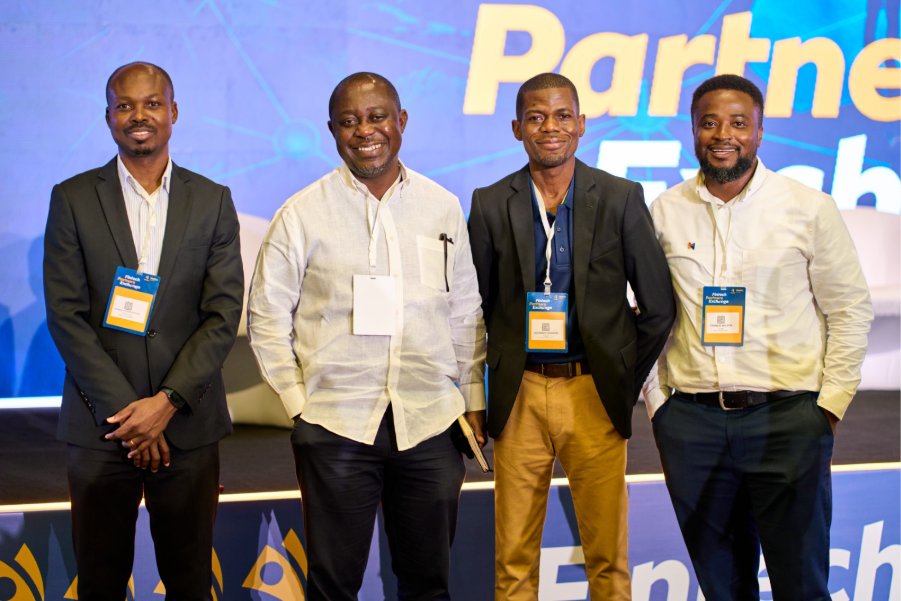
Representing Hubtel, leaders including Mr Ernest Apenteng (General Manager), Godsway Akakpo (Revenue Assurance Manager), Francis Wilson (Head, Infrastructure and Payment), and Ebenezer Boffour (Head of Internal Affairs) were present at the engagement.
Speaking during the panel session, Mr Boffour highlighted a core reality: many fraudulent transactions enter the system after users have already been compromised externally.
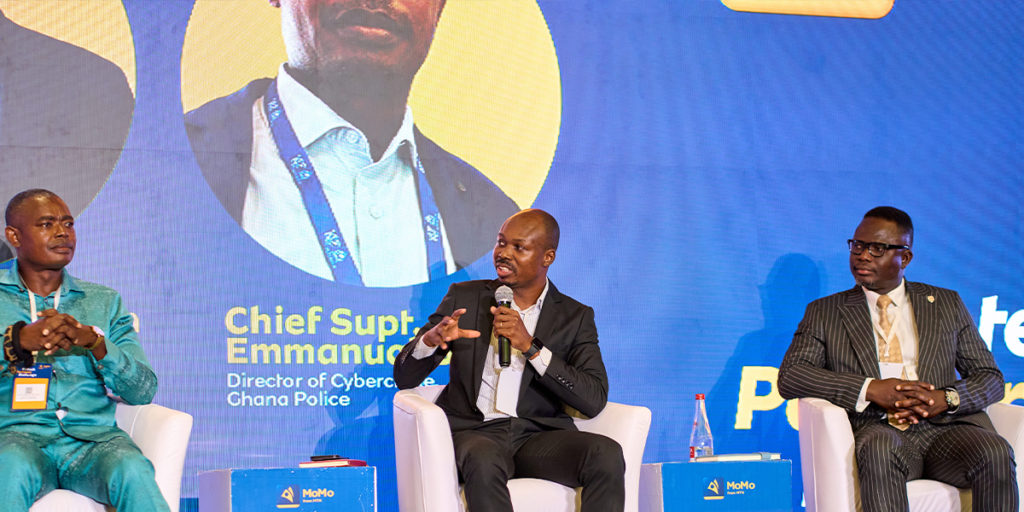
“Once a user has been compromised, the transaction often proceeds as instructed. The real challenge is identifying such situations early enough to intervene,” he noted.
This underscores a limitation that platforms face individually. While internal monitoring systems can detect anomalies within their own environments, intervention is often most effective before a transaction is executed, when signs of compromise can still be intercepted.
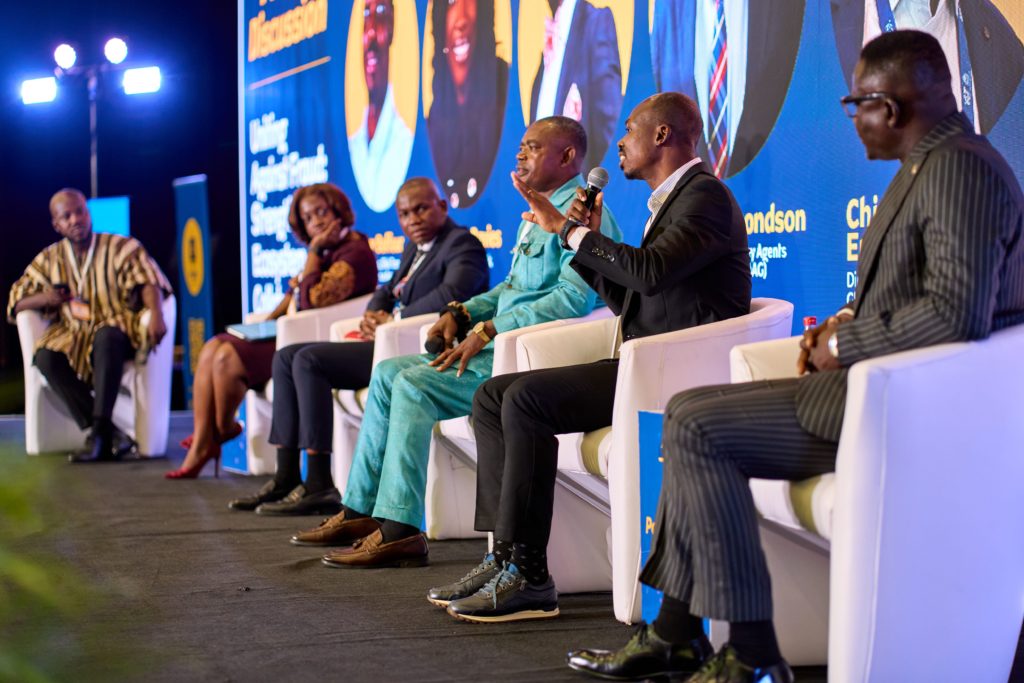
This view aligns with broader industry insights shared during the dialogue. Clara Bawah Arthur, CEO of Ghana Interbank Payment and Settlement Systems (GHIPSS), emphasized that interoperability in payments inherently extends to interoperability in fraud.
As systems become more connected, fraudulent activity can traverse platforms just as easily as legitimate transactions, making isolated defences insufficient.
Similarly, Joshua Edmondson, Board Chair of the Mobile Money Agents Association of Ghana, pointed to the role of user behaviour in fraud prevention, noting that many cases stem from users unknowingly disclosing sensitive information under pressure or deception.
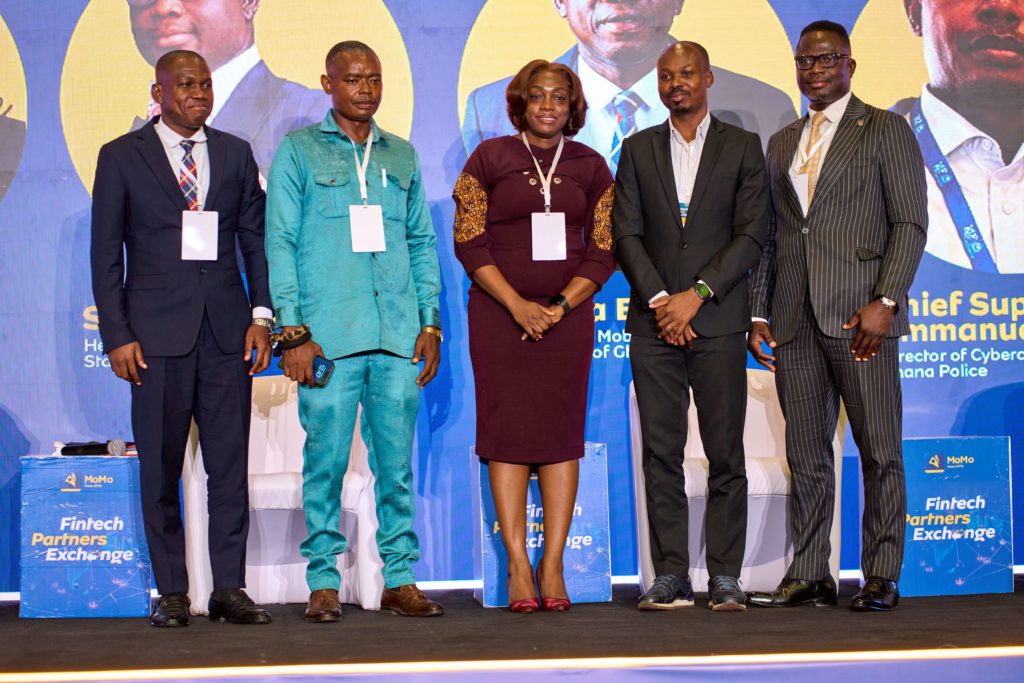
From our standpoint, these insights reinforce a central principle, that fraud in a connected payments ecosystem is both a behavioural and systemic issue. Addressing it effectively requires coordinated visibility, shared intelligence, and aligned responses across institutions.
While platforms continue to strengthen internal controls, those measures alone are not sufficient in an environment where fraud can originate externally and move across multiple systems.
The ability to detect, share, and act on signals collectively is becoming just as important as the ability to process transactions securely at the platform level.
As Ghana’s digital payments ecosystem continues to expand, the pace and volume of transactions will only increase. With that growth comes both opportunity and risk.
Interoperability has made payments more accessible and efficient, but it has also created pathways that require stronger collective safeguards.
Sustaining trust in digital payments will depend not just on the strength of individual platforms, but on how effectively the ecosystem works together to protect it.
Fraud prevention in this context is not a standalone function. It is a shared responsibility that requires continuous collaboration, real-time intelligence, and coordinated action across all participants in the payments value chain.
Trust remains the foundation of digital financial systems. Protecting it will require more than isolated efforts. It will require a connected response to match a connected ecosystem.
Related
Hubtel Hosts Leaders of Dubai Chambers Ahead of New Horizon Investment Forum
May 15, 2026| 3 minutes read
Hubtel Hosts Leaders of the UK Department for Business and Trade
April 10, 2026| 3 minutes read
Cornell University Visits Hubtel To Understand Ghana’s Digital Economy
April 8, 2026| 3 minutes read
Cornell University Visits Hubtel To Understand Ghana’s Digital Economy
April 8, 2026 | 3 minutes read
Not every learning experience happens in a lecture hall. Sometimes, the most experiential education is a conversation with those doing the work and seeing for yourself.
For students from the Samuel Curtis Johnson Graduate School of Management at Cornell University, a visit to Hubtel offered precisely that kind of education: one that bridges the gap between the lecture halls and the field.
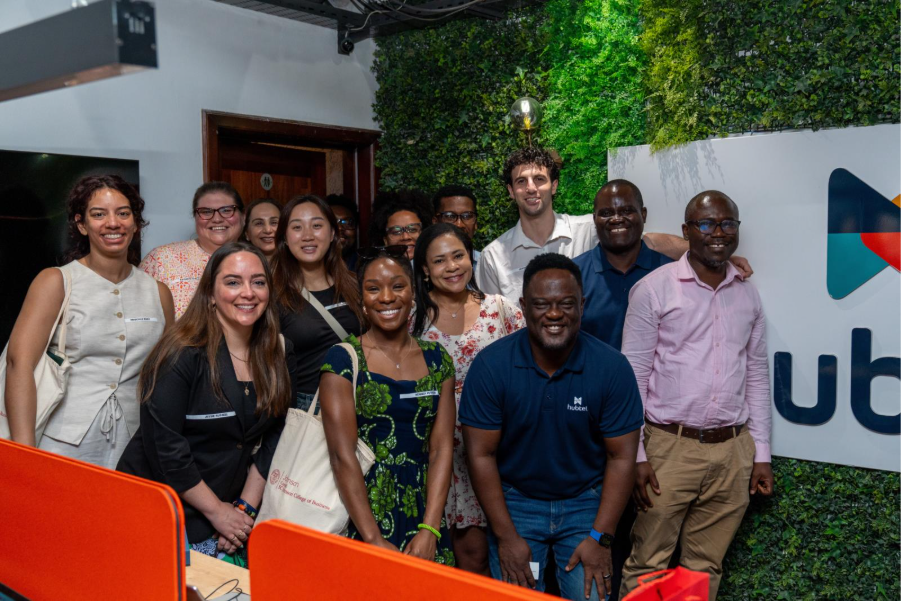
As part of a global experiential learning programme, the trip was designed to immerse students in the realities of innovation across emerging markets. What it delivered was something more valuable. It challenged the quiet assumption that digital economies evolve along predictable, universal lines.
In the classroom, digital ecosystems are often presented as structured systems governed by logic, scale, and rational adoption. On the ground, the reality proved more nuanced.
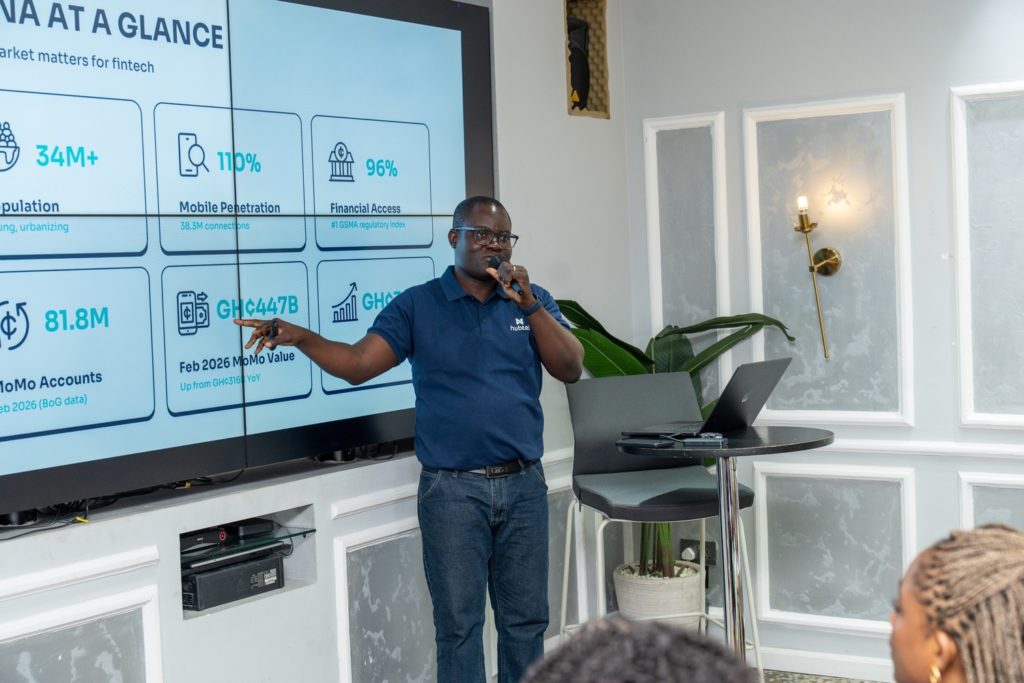
As discussions unfolded around Ghana’s fintech landscape, Augustine Adjei Gyawu, Head of Engineering, pointed to the pace at which digital payments have evolved, noting that “the ecosystem is not just growing, it’s constantly adjusting to how people choose to use it.”
In contrast to the structured models often presented in classrooms, Ghana’s fintech landscape revealed a more fluid dynamic. One defined by high volumes of low-value transactions, sensitivity to failed payments, and a constant negotiation between convenience and trust.

“You can build a technically sound product,” Patrick Asare Frimpong, Head of Product Management in Product & User Care, noted, “but if it doesn’t align with how people actually transact, it won’t scale.” His point underscored a broader reality of how product decisions are not made in isolation but are shaped by everyday user behaviour.
READ ALSO: Hubtel Empowers Next Generation Through AI Education Partnership with Brainwave AfricaTech
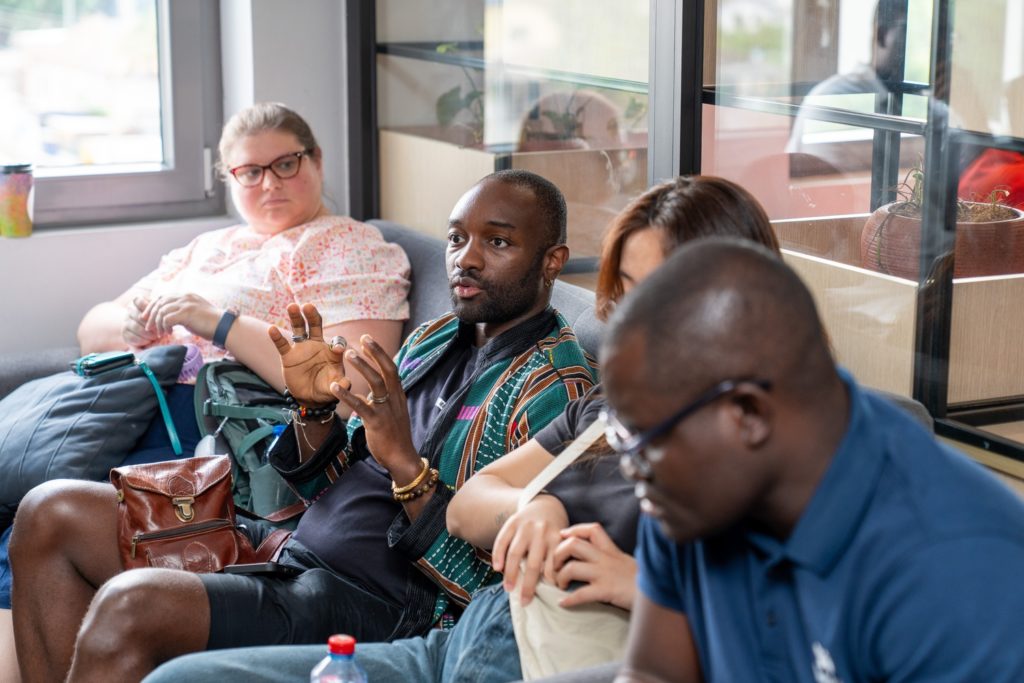
Bill Inkoom, Head of Mobile App Engineering, extended the conversation to financial inclusion, pointing to the role of digital platforms in expanding access, while emphasizing that adoption ultimately depends on user confidence and lived experience.

The session evolved into a genuine exchange, with students drawing comparisons across markets and interrogating how different systems respond to similar challenges. It reinforced the need that environments like this cannot be fully understood through case studies alone. They have to be experienced.

For the visiting students, Hubtel was not simply a company to study, but a case for rethinking how digital economies are understood not as systems to be mapped neatly onto theory, but as environments that demand closer, more critical attention.

In that sense, the most important lesson was not about Ghana’s digital economy alone. It was about the limits of certainty, and the value of seeing for oneself.
Related
Hubtel Hosts Leaders of Dubai Chambers Ahead of New Horizon Investment Forum
May 15, 2026| 3 minutes read
Hubtel Hosts Leaders of the UK Department for Business and Trade
April 10, 2026| 3 minutes read
Hubtel Joins MTN to Combat Fraud Via Fintech Partner Exchange
April 9, 2026| 5 minutes read
When Communication Became Money: Revisiting Hubtel’s Pivot into Payments
March 26, 2026 | 5 minutes read
More than a decade ago, when Ghana’s financial ecosystem was still largely defined by physical bank branches, long queues, and cash transactions, Hubtel CEO Alex Bram articulated a vision that sounded bold back then but now reads like a roadmap to the future.
Speaking in 2014 about the role of communication technology in financial services, Bram argued that the future of money and payments would not be driven by traditional banking infrastructure but by the ability of businesses to communicate directly with people through mobile technology.
At the time, the idea challenged the dominant thinking within the financial industry that physical presence in communities, close to businesses, was the way to go. Yet today, Ghana’s thriving mobile money ecosystem and the rise of digital payment platforms have largely validated that prediction.
Communication as the New Financial Infrastructure
In an interview explaining the philosophy behind Hubtel’s early strategy, Bram emphasized that in Africa, the mobile phone had already become the most powerful tool of engagement between businesses and consumers.
“So, what we do is connect to mobile subscribers through mobile networks to enable businesses communicate or engage with their subscribers,” he said. “In our part of the world, mobile is the primary tool of communication. To reach everybody, you need to go through a mobile connection of some sort.”
That insight shaped Hubtel’s early focus on building digital platforms that allowed businesses to interact directly with mobile users, whether through messaging, notifications, payment prompts, or service platforms.
Rather than thinking about financial services purely as banking transactions, Bram saw them as communication-driven interactions between businesses and customers.
Rethinking Financial Access
Perhaps the most striking element of Bram’s prediction was his argument that financial access in Africa would no longer be determined by physical infrastructure such as bank branches.
“If you’re standing in a remote part of Africa and you need to receive money, it’s now more a function of who can communicate to you than who can put up the best branch in whichever remote part you find yourself,” he observed.
In essence, Bram foresaw that connectivity, rather than proximity and geography, would become the defining factor in financial inclusion.
That vision has played out dramatically across Ghana and Africa, where millions of people today access financial services through their phones without ever needing to enter a bank branch.
Payments as Communication
At the heart of Bram’s forecast was a simple but transformative idea: payments would evolve from banking processes into communication processes.
“The future of payments is more communication than banking,” he predicted. “The function of moving money from one side to the other is going to be taken over by communication companies.”
Back then, such a statement may have seemed provocative, especially to traditional financial institutions. But the rapid growth of mobile money platforms, digital wallets, merchant payment systems, and mobile-enabled commerce has shown how deeply communication networks now underpin financial transactions.
Today, businesses across Ghana—from small retailers to major service providers—rely on mobile messaging, payment links, QR codes, and integrated apps to receive payments and interact with customers.
READ ALSO: Alex Bram on Asempa FM: The Hubtel Journey, Lessons, and the Power of Being Useful Everyday
A Call for Partnership, Not Competition
Importantly, Bram’s message in 2014 was not framed as a threat to banks but as an invitation for collaboration.
He encouraged financial institutions to rethink their approach to emerging technology companies and mobile platforms, urging them to see innovation as an opportunity rather than a disruption.
“It was more a call to banks to begin changing their mindset and begin partnering instead of seeing mobile money and the new communication platforms, such as our own mpower as competition,” he explained.
Using a memorable metaphor, Bram captured how technology companies viewed their role in the evolving ecosystem.
“No, we are not the guys who are about to spoil the party,” he said. “We are the guys who are about to light up the party.”
A Vision That Became Reality
Looking back today, Bram’s words read less like speculation and more like an early blueprint for the modern fintech landscape in Ghana.
Digital communication channels now sit at the heart of financial transactions, from paying utility bills and buying airtime to receiving salaries and running online businesses. Platforms that enable businesses to engage customers through mobile technology have become central to the digital economy.
Hubtel itself has grown into one of Ghana’s most prominent fintech platforms, helping businesses accept payments, connect with customers, and manage transactions through mobile and online channels.
What was once a bold idea, that communication networks could reshape how money moves has become an everyday reality.
And as Ghana continues its transition toward a fully digital economy, the insight that “the future of payments is communication” remains as relevant today as it was when Alex Bram first said it more than ten years ago.
Related
Absa Group CEO Engages Hubtel Leadership on Financial Innovation and Collaboration
April 28, 2026| 2 minutes read
Hubtel Hosts Leaders of the UK Department for Business and Trade
April 10, 2026| 3 minutes read
Hubtel Empowers Next Generation Through AI Education Partnership with Brainwave AfricaTech
March 3, 2026| 5 minutes read
Hubtel Empowers Next Generation Through AI Education Partnership with Brainwave AfricaTech
March 3, 2026 | 5 minutes read
Hubtel has strengthened its commitment to youth empowerment and digital inclusion by sponsoring an Artificial Intelligence (AI) training programme organised by Brainwave AfricaTech. The Brainwave AfricaTech – AI Explorer’s Club is aimed at equipping young learners, many from under-resourced communities, with practical and future-ready technology skills.
The programme, delivered through Brainwave’s AI Explorers Club, introduced pupils to the fundamentals of artificial intelligence, ethical AI use, prompt writing, image and video generation and real-life applications of AI in education and creativity.
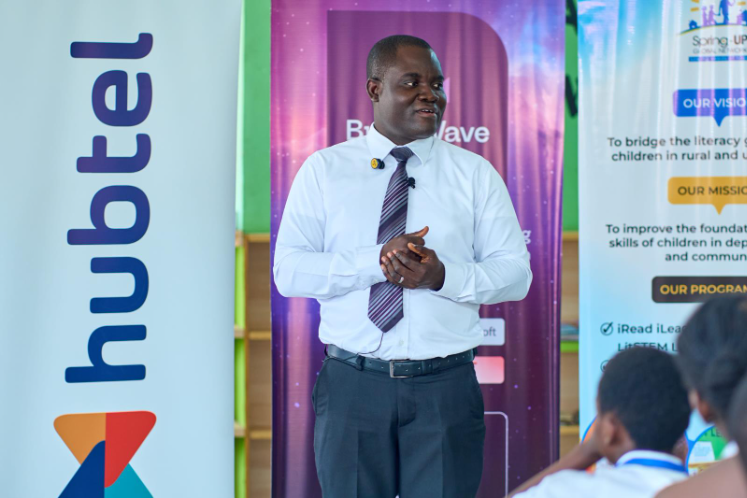
Speaking at the event, Augustine Gyawu Adjei, Head of Engineering at Hubtel, said the company’s involvement was driven by a shared vision to prepare young people early for the digital future.
“When I first looked at the mission and vision of this programme, it went in line with what Hubtel wants to do,” he said. “It is a great initiative to help young children, especially those in underdeveloped areas, understand where the technology journey is going.”
According to him, early exposure is no longer optional.
“We need to start now. We can’t wait. Our children need to learn how to learn, how to make quick decisions, how to be confident, and how to distinguish between good technology and unneeded technology,” he added.
One of the programme’s beneficiaries, Annan Crystal, a pupil of Osu Manhean Basic School, shared her excitement after using AI tools for the first time.
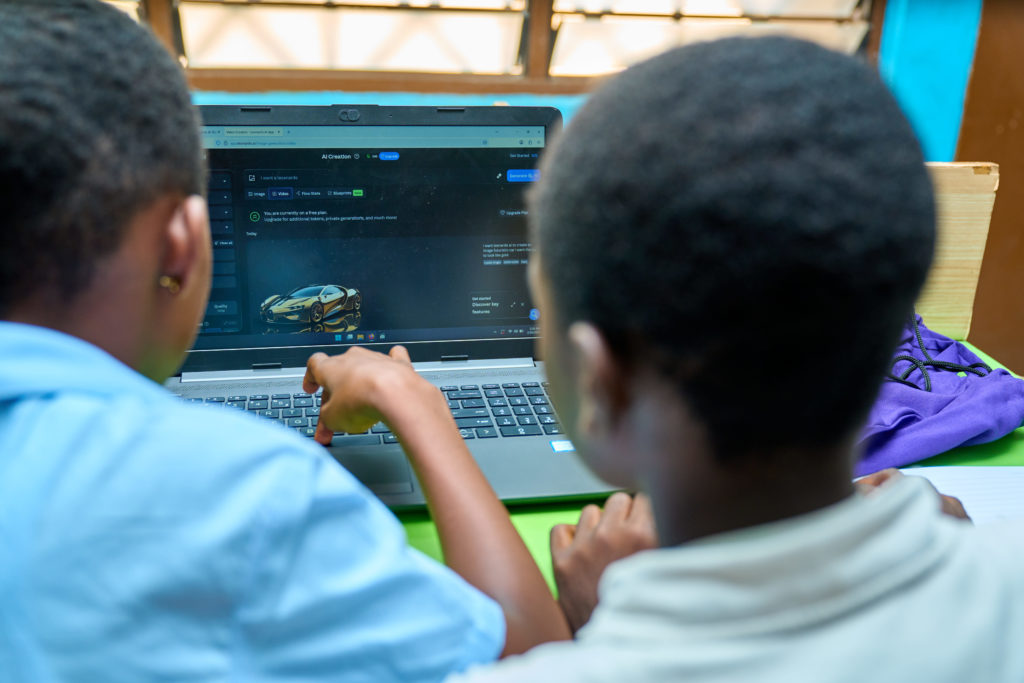
During a practical session, the pupil demonstrated how she used Leonardo AI, an image-generation platform, to create futuristic designs.
“We are using an AI application called Leonardo AI to generate images,” she explained. “I gave a prompt for a futuristic car to look like gold, and it created a golden futuristic car. This is what I’m practising to present to an audience.”
For her, the experience was eye-opening.
“I’m enjoying it because you don’t usually get an opportunity to use AI like this. This is my first time seeing that AI can do all these things,” she said.
Beyond creativity, she has already begun to understand AI’s economic potential.
“I will tell my friends that AI can create images and also help us make money. You can generate works using AI and earn from it,” she added.
Innovation and Product Development Lead at Brainwave, Caleb Jimoh, explained that the programme is structured to move learners from curiosity to capability. Participants begin with the AI Explorers Club, advance to the Builders Club for hands-on projects, and later transition into the Innovators phase, where they develop more complex solutions with real-world relevance.
He noted that the goal is not just to teach children how to use AI tools, but to encourage them to become creators and problem-solvers.
“We want the next generation to think beyond how AI can serve them and begin to integrate AI into how they build solutions and empower their communities.”
Despite initial misconceptions about AI, facilitators observed growing confidence and enthusiasm among participants as the weeks progressed.
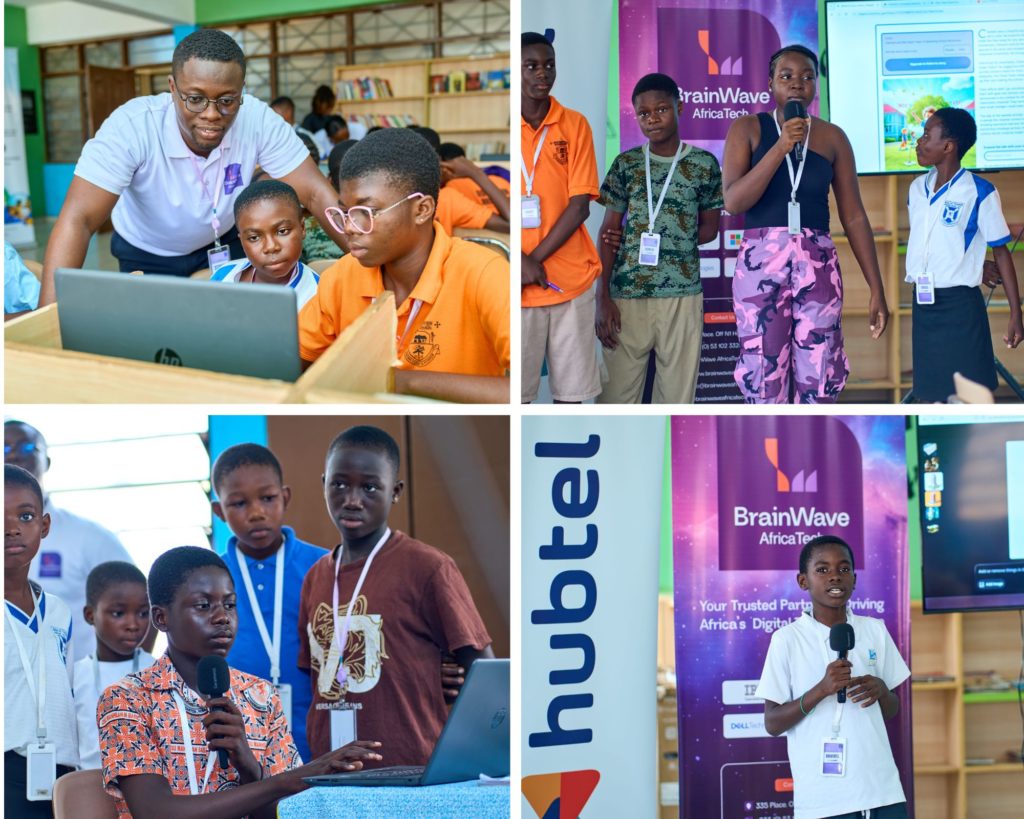
Academy Manager at Brainwave and a facilitator of the programme, Elizabeth Addai, highlighted the importance of Hubtel’s sponsorship in making the training accessible.
“Some of these kids had never used a computer before. Some schools don’t even have ICT labs,” she said. “Without Hubtel’s support, many of these children would never have had access to opportunities like this.”
Over the four-week programme, children developed digital literacy skills, learned responsible AI use, and gained confidence in using computers and emerging technologies.
“They now speak confidently about AI and are excited to go back to school to teach their friends and even their teachers,” she added.
Hubtel has indicated its readiness to continue investing in initiatives that build confidence, creativity, and problem-solving skills among Ghana’s youth.
READ ALSO: Hubtel Opens Ghana’s First Indigenous AI Lab
“As far as our mission carries us, we will support anything that helps the rising generation become confident problem-solvers,” Augustine said.
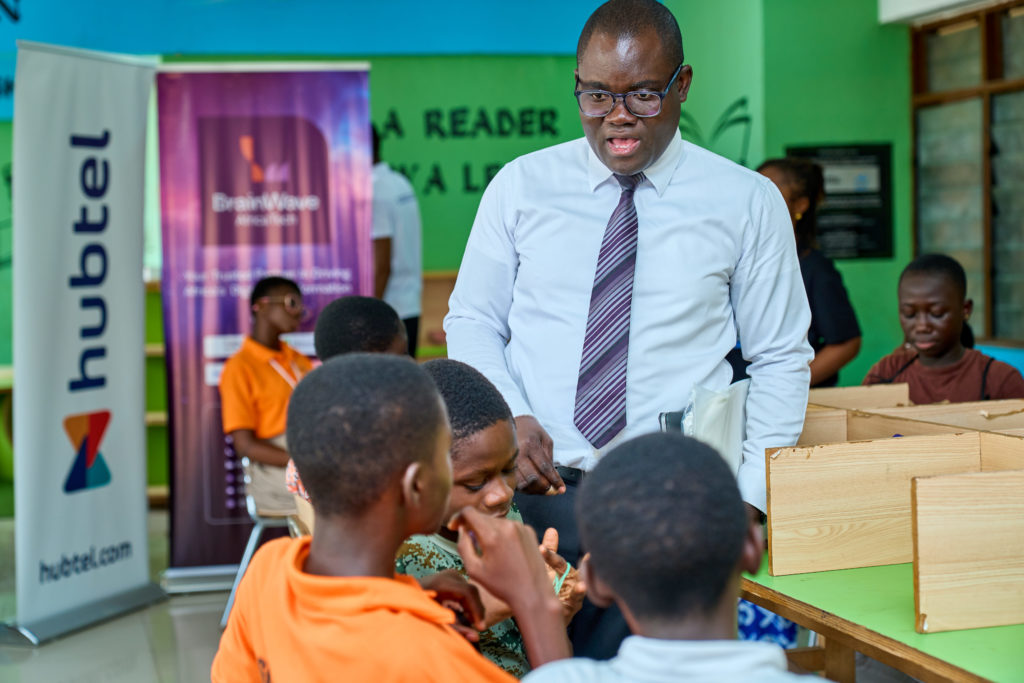
As artificial intelligence becomes increasingly central to education, work, and innovation, the Hubtel-Brainwave partnership stands as a strong example of how private-sector leadership can create meaningful, measurable impact, one child, one idea, and one opportunity at a time.
About Hubtel
Hubtel is a Ghanaian technology company licensed by the Bank of Ghana as an Enhanced Payment Service Provider. The company enables businesses to accept payments, including mobile money, cards, and QR, manage transactions, and connect with customers through messaging and commerce.
Individuals also use the Hubtel App to pay bills, send money, and access essential services. Founded in 2005, Hubtel operates 12 offices nationwide and employs over 600 people across Ghana.
In 2024, Hubtel launched Ghana’s first indigenous AI Lab, a dedicated research and development unit applying artificial intelligence and machine learning to enhance fraud detection, strengthen user engagement, and improve credit assessment systems.
Related
Absa Group CEO Engages Hubtel Leadership on Financial Innovation and Collaboration
April 28, 2026| 2 minutes read
Hubtel Hosts Leaders of the UK Department for Business and Trade
April 10, 2026| 3 minutes read
When Communication Became Money: Revisiting Hubtel’s Pivot into Payments
March 26, 2026| 5 minutes read

They say growth changes you, right? For us at Hubtel, it meant rethinking our spaces to better support our people, our culture, and the customers we serve every day.
Over the past months, we have taken a major step in that direction by opening new offices, relocating teams into more strategic locations, and redesigning existing spaces. Today, we operate in 11 cities nationwide, bringing us closer to our partners while creating workplaces that reflect how we collaborate, build, and serve.
As our teams continued to grow, our previous setups began to show their limits. Teams were spread across multiple locations, collaboration required extra effort, and some spaces had simply outgrown their original purpose. Rather than make incremental adjustments, we chose to take a more intentional approach, one that aligned our physical spaces with our culture and long-term vision.
WATCH FULL OFFICE TOUR
Across Accra, teams that once operated from different locations were brought together into more accessible and strategic offices in areas such as Kwabenya, La Trade Fair, and Mile 11. The head office in Kokomlemle has also been renovated. In Kumasi, teams from Kentinkrono, Tanoso, and Kumasi City Mall have now been moved into a new office in Ahodwo.

These decisions were driven by the need to encourage collaboration and strengthen company culture. Just as importantly, the new and upgraded offices were designed to accommodate team growth, with enough space and facilities to support both current operations and future expansion.
Beyond location, the experience inside each office was carefully considered. Renovated spaces were redesigned with more flexible, open layouts that support different ways of working. Office capacity was increased, complemented by hot desking zones, new meeting rooms, and dedicated booths. Talk Solo for individual calls and Talk Plus for small conversations. These features make it easier for teams to collaborate without compromising focus.
READ ALSO: Alex Bram on Asempa FM: The Hubtel Journey, Lessons, and the Power of Being Useful Everyday
Each office also includes shared areas that encourage informal connection. Lounges provide space to pause, exchange ideas, or host conversations with partners in a relaxed environment. The goal was to create spaces that feel functional, comfortable, and welcoming, not just for staff, but for everyone who walks through our doors.

Each office was selected for accessibility, reliable transport links, and proximity to merchant communities and strategic partners. Being closer to the people we serve allows teams to respond faster, build stronger relationships, and deliver better support.
As Hubtel continues to grow, we will keep refining our spaces to support collaboration and innovation. We remain committed to creating the right environment for our people to work together, and for partners to feel that difference every day.
Related

Women in Tech Need Access to Decision-Making Power, Not Just Seats at the Table
February 19, 2026| 4 minutes read
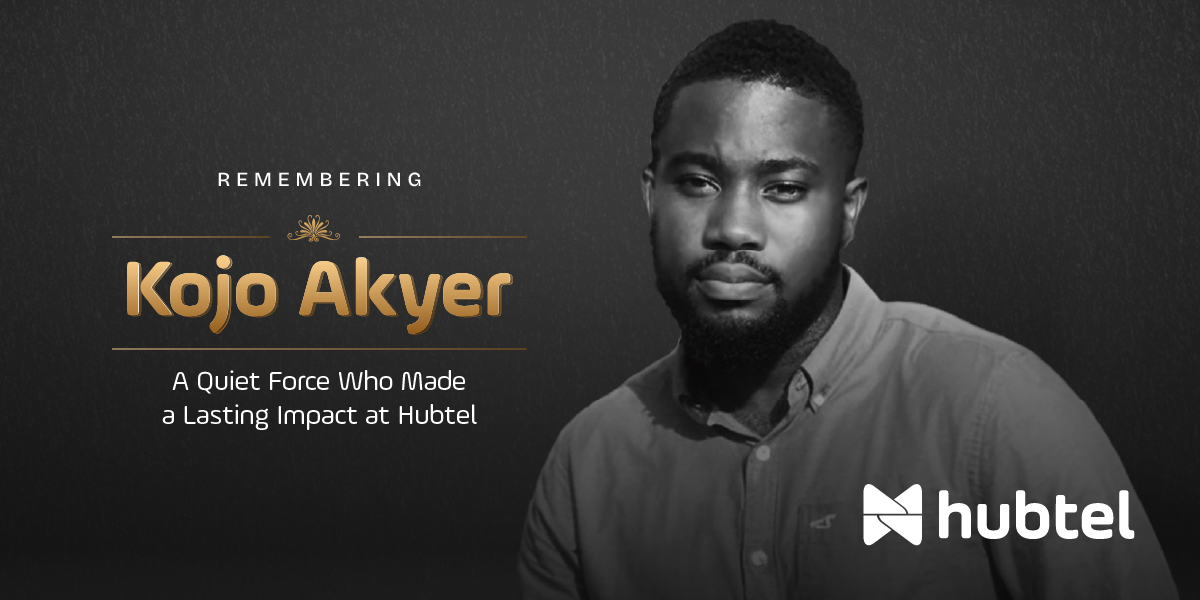
Remembering Kojo Akyer: A Quiet Force Who Made a Lasting Impact at Hubtel
October 22, 2025| 3 minutes read

Hubtel@20: Recap of Staff Party
June 13, 2025| 7 minutes read
Women in Tech Need Access to Decision-Making Power, Not Just Seats at the Table
February 19, 2026 | 4 minutes read
For years, conversations around women in tech have focused heavily on representation. How many women are in the room, how many are hired, how many are visible. In an episode of the Hubtel podcast, Marjorie Saint-Lot, Global Digital Transformation and Market Expansion Strategist, who also sits on the Hubtel board as a Non-Executive Director, challenged that narrative, citing that representation without real influence is not enough.
“The next layer for women isn’t visibility,” she says. “It’s access to risk.”
Marjorie brings over 20 years of experience across Africa, Europe, and North America, with leadership roles at companies like Uber and Orange, and now as Founder and CEO of Yarey Consultancy Group and Fanga. Her career has spanned telecoms, mobility, fintech, and board leadership, each chapter shaping her views on scale, trust, and inclusion.
READ ALSO: Patience Akyianu Is New Board Chair, Hans Nilsson Retires After a Decade of Service
Leadership Is About Livelihoods, Not Metrics
Early in her career, Marjorie believed leadership was largely about hitting metrics. That belief changed during her time in Haiti, where she pushed for an anti-seismic head office despite cost pressures. Two years later, an earthquake struck.
“Eight hundred people were in that building,” she recalls. “That decision saved 800 lives.”
For her, leadership stopped being about CapEx targets and became about responsibility, influence, and long-term impact.
Trust Scales, Popularity Doesn’t
When asked what matters more in tech: reliability or trust, Marjorie was very clear.
“Trust is what scales. You don’t grow by being liked.”
In her view, reliability is simply one of the outcomes of trust. Without it, products fail to scale, brands struggle to endure, and ecosystems collapse under pressure.
This belief extends to her broader approach to growth. Global playbooks, she argues, often fail in African markets.
“Local nuance matters. Culture, behaviour, sociology, these things don’t copy and paste.”
Building New Tables, Not Asking for Seats
One of the most striking moments in the conversation comes when Marjorie was asked whether she prefers having a seat at the table or building a new one.
“I’ll build my own table,” she says. “Real inclusion isn’t about access. It’s about reshaping how decisions are made.”
For women in tech, the challenge is not competence or ambition. It is access to risk, access to capital, access to decision-making power, and crucially, access to failure.
“Men are allowed to fail. Women often aren’t. Without that safety net, you can’t stretch, experiment, or scale.”
The Real Power of Financial Inclusion Is Quiet
Marjorie explains that the true impact of financial inclusion isn’t flashy or attention-grabbing. Rather, it’s in the seamless, everyday experiences it enables.
When systems work as intended, payments are reliable, and people can make decisions with confidence.
“When inclusion works, it’s boring,” she says, “because the real success is invisible, quietly improving lives and giving people the freedom to focus on what matters most.”
Why Hubtel’s Role Matters
As a member of Hubtel’s Advisory Board, Marjorie is particularly excited about the company’s focus on infrastructure and local relevance.
“Hubtel is building real infrastructure for tomorrow. Combine that with local understanding, and that’s incredibly powerful.”
She believes Africa’s next major leap will come from interoperability, platforms, and connected ecosystems, not standalone apps. In fact, she sees Africa as having the potential to lead this shift, if policy, governance, and innovation grow together.
READ ALSO: International Women’s Day: Inspiring Inclusion with Women at Hubtel
Advice for Women in Tech
Her advice to women navigating tech careers is simple but demanding.
“Build competence relentlessly. Confidence comes from competence.”
And in her final words, she borrows from a French expression, il faut oser which means one must dare.
“Just try. Step into the room. Learn the thing. Stop questioning whether you should. The time you spend questioning is time you’re not doing.”
Related
Bigger, Bolder, Better: Hubtel's New Office Spaces
February 23, 2026| 3 minutes read
Remembering Kojo Akyer: A Quiet Force Who Made a Lasting Impact at Hubtel
October 22, 2025| 3 minutes read
Hubtel@20: Recap of Staff Party
June 13, 2025| 7 minutes read

Alex Bram on Asempa FM: The Hubtel Journey, Lessons, and the Power of Being Useful Everyday
January 29, 2026 | 6 minutes read
Big companies don’t always begin with big ideas.
Hubtel’s story started with a small idea, from three young men who saw an opportunity and chased it.
In a recent interview on Asempa FM’s Ekosiisen show, Hubtel CEO, Alex Bram shared how that simple beginning grew into Ghana’s leading fintech.
The show, hosted by Mr. Osei Bonsu, aimed to equip entrepreneurs, business owners, and young professionals with practical guidance for the new year through its annual “Beginning the Year Right” series.
The interview was a reflective conversation about the realities of building a technology business from the ground up.
Where It All Began
Alex traced his entrepreneurial journey back to 1998 at St. Augustine’s College, where he and his Science 2 classmates, Ernest Apenteng and Leslie Gyimah, first explored the idea of building something together.
Their first venture was a school magazine called Student Rally, which failed, but planted an early seed.
“At that time, I had a strong drive to be successful,” Alex shared. “Back then, success felt like it came through these three paths: becoming a professional like a doctor or lawyer, travelling abroad, or starting a business.”
Medicine did not work out. Travelling abroad followed. In 2003, Alex and Ernest moved to London, taking up menial jobs. But that chapter did not feel like the future.
By the time they returned to Ghana, text messaging was gaining ground. In 2005, on their last day of school, they started SMSGH and built it from Alex’s father’s dining hall, using a single Pentium 3 computer.
The idea was simple: help businesses communicate with customers through SMS alerts, and broadcasts.
Early Wins and Hard Lessons
The early days were tough. Big banks would not grant them meetings. So, they started small, working with travel and tour companies, then later with airlines.
Their first big break came with North American Airlines, earning them five million cedis in old currency. From there, insurance companies and banks followed.
By 2007, SMSGH had crossed half a million dollars in revenue.
But Alex made one thing clear, early success did not lead to comfort.
“We didn’t spend the money on luxury,” he said. “Our first office was my bedroom. By day it was an office, by night it was where I slept.”
Titles did not matter in the very early stages, as the focus was on building the company and putting in a collective effort and dedication. Alex moved between operations, sales, marketing, and management, doing whatever the business needed at the time.
When Growth Slowed
Between 2009 and 2012, the company continued to build. But by 2013, something had changed. Growth dropped from the previously recorded 300% to about 30%, then down to 9% by 2015.
“The market had evolved,” Alex explained. “Internet usage had increased, WhatsApp had come, and SMS alone was no longer enough. Businesses needed more, especially around payments.”
That realisation marked a turning point.
The Pivot to Hubtel
In 2017, SMSGH officially rebranded to Hubtel.
The change was not just in name. It was a complete shift in direction, from messaging to payments and digital services.
Between 2016 and 2018, the company restructured, lost some employees, and rebuilt with a stronger focus on product, engineering, and long-term relevance. At the time of the rebrand, Hubtel had approximately 110 staff members. Today, the company has over 700 staff members.
Alex also shared one of the toughest strategic decisions the company made, closing Hubtel’s offices in Kenya, Nigeria, and Cameroon to focus fully on Ghana.
“Africa is big,” he said, “but we wanted to build a brand that Ghanaians truly loved before expanding elsewhere.”
Becoming Ghana’s Leading Fintech
By the end of 2022, Hubtel had become Ghana’s largest fintech by transaction volume.
Hubtel processes about 3.5 million transactions daily, representing roughly 10-12% of the Ghanaian market, with room to grow.
Beyond payments and commerce, Hubtel also supports government digitalisation, having contributed to platforms like Ghana.GOV and the ECG Power app, helping improve public service delivery.
Trust, Governance, and Leadership
Trust, Alex emphasised, starts internally. For him, trust start with how a company treats its people.
Hubtel’s focus on transparency allowed businesses to see every transaction clearly, helping build confidence over time.
Strong governance also played a major role. Alex highlighted the impact of experienced board members such as Patience Akyianu, who helped strengthen financial discipline after the company recorded a significant accounting loss during its transition years.
“When you have a strong board, they can call you to order,” he noted.
Innovation, Failure, and Building in Africa
On innovation, Alex encouraged African entrepreneurs to adopt a mindset of testing and iteration.
“In other markets, people test and fail until it works. Here, we tend to be too cautious.”
His advice was simple: test your ideas, tweak when they fail, and choose ideas that match your capacity and resources.
Timing, he added, also matters.
“Momentum is key. If I had finished school today, I’m not sure the same opportunities would exist.”
READ ALSO: Hubtel Awarded Overall Best Fintech Partner at the MobileMoney Fintech Stakeholder Dinner & Awards
Hubtel Newest Innovation – BackOffice App
Alex also touched on Hubtel’s latest innovation, the Hubtel BackOffice, which allows businesses to use smartphones as POS devices. With NFC-enabled phones, customers can tap cards, pay via mobile money, QR codes, and complete transactions without additional hardware.
A Message to Young Entrepreneurs
Alex closed with a message rooted in persistence and purpose.
“Don’t be scared of failure. We’ve failed many times. Dedication, focus, and consistency are what make it work.”
He described Hubtel’s guiding philosophy as being useful every day, not just for businesses and customers, but also internally, ensuring employees feel fulfilled by the value they create.
Conclusion
Alex Bram’s interview on Asempa FM was more than a founder story. It was a relatable conversation on resilience, adaptability, and building with intention in Ghana.
As the main sponsor of the Beginning the Year Right series, Hubtel’s participation reinforced its commitment not just to technology but to empowering businesses, supporting entrepreneurs, and contributing meaningfully to Ghana’s digital future.
Related
Absa Group CEO Engages Hubtel Leadership on Financial Innovation and Collaboration
April 28, 2026| 2 minutes read
Hubtel Hosts Leaders of the UK Department for Business and Trade
April 10, 2026| 3 minutes read
When Communication Became Money: Revisiting Hubtel’s Pivot into Payments
March 26, 2026| 5 minutes read

Update to Hubtel’s General Terms of Service: What Merchants Should Know
December 22, 2025 | 3 minutes read
Hubtel today announced an update to its General Terms of Service, aimed at improving clarity around service usage and platform compliance. The update is part of Hubtel’s ongoing effort to maintain a secure and reliable payment platform for merchants and their customers. As our services continue to support a wide range of transaction volumes, it is important that expectations around acceptable use and compliance are clearly stated and well understood.
Before this update, Hubtel’s General Terms of Service already set out a list of restrictions that guide how the platform should be used. These include prohibitions against unlawful activity, fraud, misuse of customer data, and actions that could compromise system security or harm other users. Those rules remain unchanged. What has now been added is clearer guidance on the actions Hubtel may take if there is reason to believe those restrictions have been breached.
The update introduces a new section titled “Actions by Hubtel.” This section explains that where Hubtel, using its discretion, believes an account may be involved in activities that violate the Restrictions, it may take steps to reduce risk, protect affected parties, and ensure compliance with the Terms. Depending on the situation, these actions may be taken with or without prior notice.
In such cases, Hubtel may block the settlement or completion of one or more payments while a potential issue is reviewed. This is a precautionary step commonly used in payment services to prevent further exposure while concerns are assessed.
Hubtel may also suspend, restrict, or terminate access to its services if continued use of the platform presents a compliance or security risk. In more serious situations, the update clarifies that Hubtel may choose to end its business relationship with a merchant altogether, including terminating any payment service agreement, without liability to Hubtel.
Where necessary, Hubtel may take legal action to protect the platform or address violations. The updated Terms also explain that Hubtel may share relevant information related to such violations with parties who may be affected. This could include customers who bought from or sold to the merchant, banks or card networks involved in the transactions, law enforcement or regulatory authorities, and other third parties impacted by the activity.
Additionally, where violations result in costs to Hubtel, the company may assess fees, penalties, or expenses against the merchant. This may include reasonable legal or administrative costs incurred as a result of the violation, which the merchant would be required to settle upon notice.
For the majority of merchants who use Hubtel responsibly and in line with the Terms, this update does not change everyday operations. Payments, settlements, and access to services will continue as normal. The purpose of the update is to clearly explain what may happen in situations where platform rules are breached, not to introduce new restrictions or obligations.
Merchants are encouraged to review the updated General Terms of Service, particularly the Restrictions section, to ensure they understand acceptable use of the platform and to ensure that anyone with access to their account does the same.
The full updated Terms & Conditions can be found here. Merchants who have questions or need further clarification can reach out to their Relationship Managers for assistance.
Related
Absa Group CEO Engages Hubtel Leadership on Financial Innovation and Collaboration
April 28, 2026| 2 minutes read
Hubtel Hosts Leaders of the UK Department for Business and Trade
April 10, 2026| 3 minutes read
When Communication Became Money: Revisiting Hubtel’s Pivot into Payments
March 26, 2026| 5 minutes read

Hubtel Awarded Overall Best Fintech Partner at the MobileMoney Fintech Stakeholder Dinner & Awards
December 12, 2025 | 3 minutes read
Hubtel has been honoured as the Overall Best Fintech Partner at the Fintech Stakeholder Dinner & Awards 2025, hosted by MobileMoney LTD, the mobile financial services subsidiary of MTN Ghana.
The ceremony, held under the theme “Celebrating the Power of Partnership and Service Excellence in Fintech,” brought together regulators, financial institutions, and innovators who continue to shape Ghana’s digital financial landscape.
This year’s event highlighted the role of collaboration in driving industry progress. Speaking ahead of the ceremony, Mr. Shaibu Haruna, CEO of MobileMoney LTD, highlighted that the company’s progress has always been driven by partnerships with businesses and customers who trust the Mobile Money ecosystem every day. He added that the awards night is a way of appreciating “the people and institutions who continue to push Ghana’s fintech frontier forward.”
READ ALSO: Hubtel Sweeps Four Awards at 2025 Digital Innovation Awards
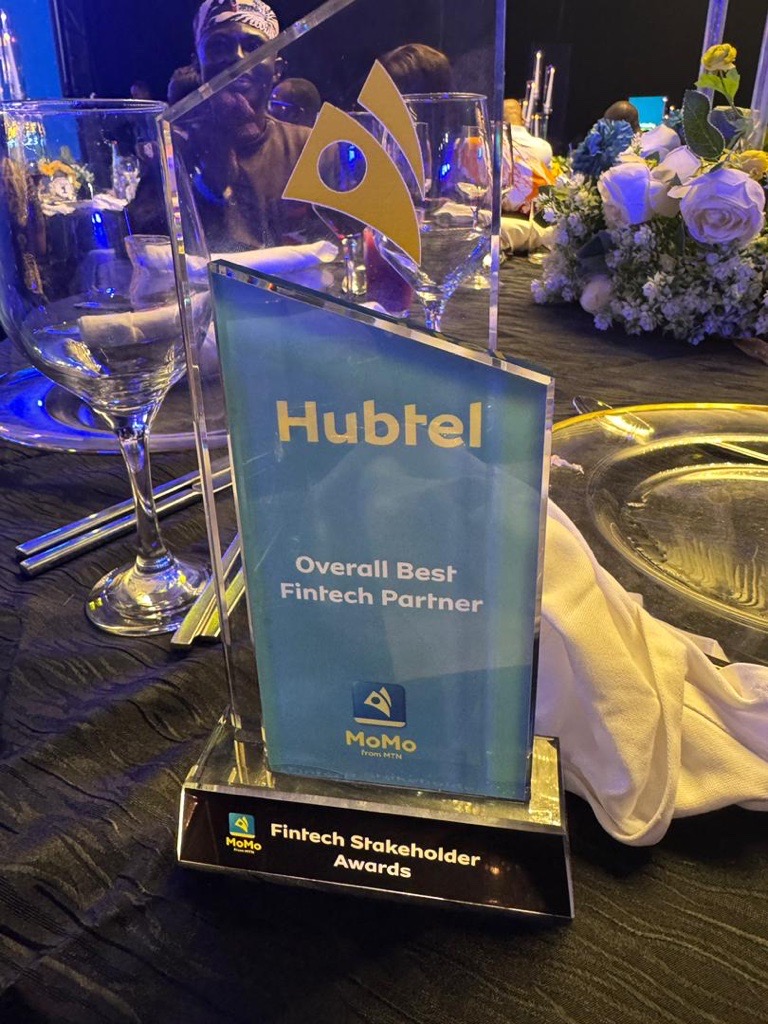
Hubtel received both the Overall Best Fintech Partner award and a Citation of Honour, acknowledging the company’s commitment to enabling everyone to easily partake in today’s digital economy through its operational excellence, innovation, and safe delivery of digital payment services.
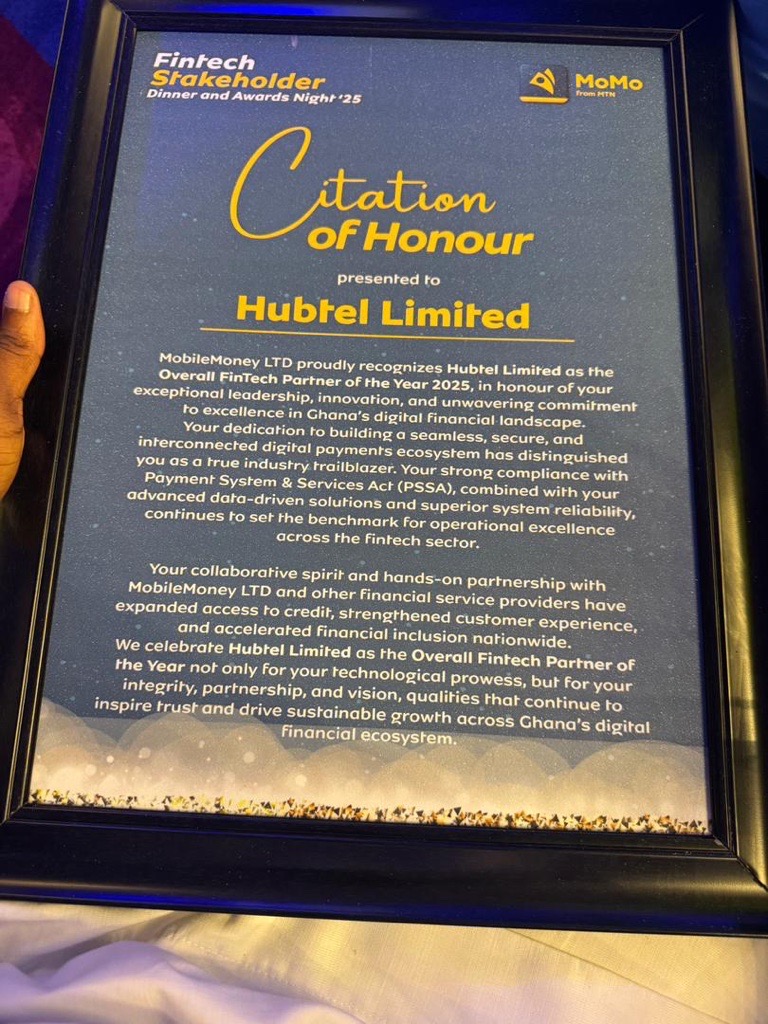
The citation commended Hubtel for its “exceptional leadership, innovation, and unwavering commitment to excellence in Ghana’s digital financial landscape.” Hubtel’s dedication to building secure payment infrastructure, combined with strong compliance with the Payment Systems & Services Act (PSSA), was also recognized as setting a benchmark across the fintech sector.
The event underscored the importance of trust and compliance in sustaining Ghana’s fintech growth. Speaking at the event, Mr. Hayford Kumah, Head of the FinTech Oversight and Supervision Unit, Bank of Ghana, emphasized that “trust will remain the foundation of Ghana’s digital financial evolution.”
He reiterated that the central bank’s mandate is to foster “trust, safety, and soundness in the financial system,” encouraging all industry players to strengthen compliance systems and reinforce financial crime prevention as the sector continues to expand.

Hubtel’s recognition reflects its strong partnership with MobileMoney LTD and other industry partners to improve customer experience, increase access to digital services, and support financial inclusion across the country. It also highlights the company’s contribution to the millions of mobile money transactions processed each day in Ghana.
READ ALSO: Hubtel Celebrates 20 Years of Connecting Businesses to Communities
As Hubtel celebrates this recognition, the company extends its appreciation to MobileMoney LTD, industry partners, regulators, merchants, and customers whose trust and collaboration made this achievement possible. Hubtel remains committed to driving Africa forward by building a platform that everyone can find, pay, and easily partake in the digital economy.
Together, we look forward to advancing the next chapter of Ghana’s fintech growth that is built on trust, operational excellence, and partnership.
Related
Absa Group CEO Engages Hubtel Leadership on Financial Innovation and Collaboration
April 28, 2026| 2 minutes read
Hubtel Hosts Leaders of the UK Department for Business and Trade
April 10, 2026| 3 minutes read
When Communication Became Money: Revisiting Hubtel’s Pivot into Payments
March 26, 2026| 5 minutes read